

When your batch fails, it’s not mysterious
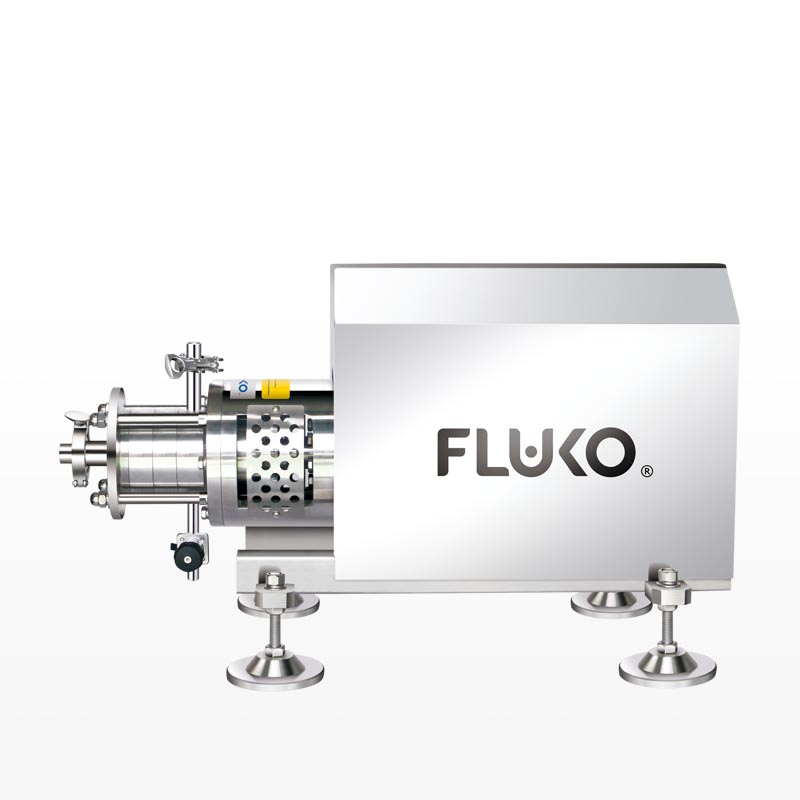
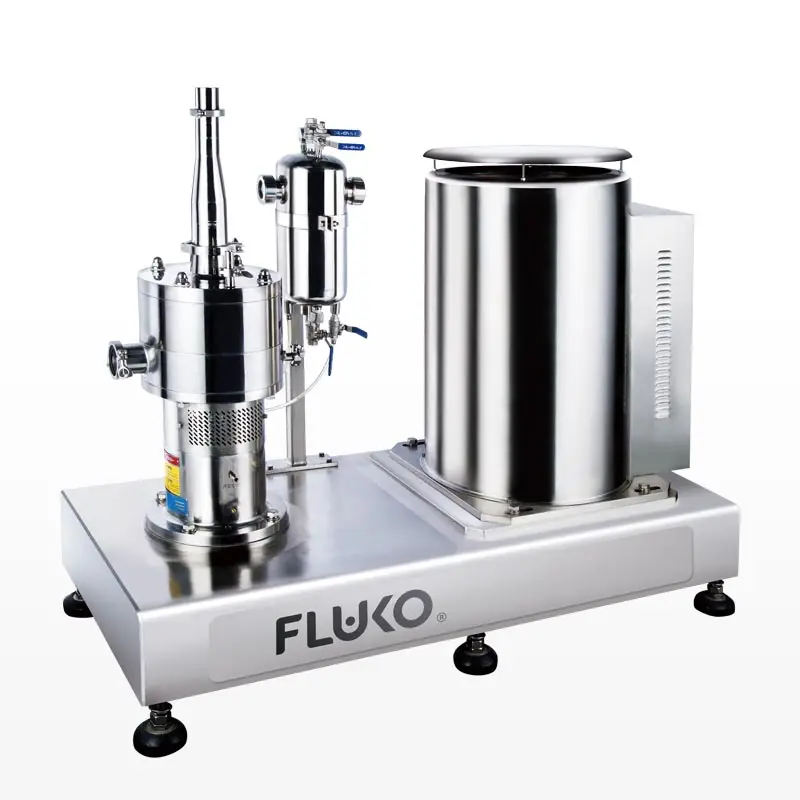
Too many labs treat uneven emulsions and slow homogenization as bad luck instead of fixable engineering. The obvious signs—phase separation, clumping, long set-up times—point to a few repeatable causes. Start by looking at flow path, shear profile, and rotor-stator fit; swapping stir bars won’t solve those. A practical swap you can test fast is to run the same recipe through a well-specified Laboratory mixer and compare particle size distribution and stability over one run. You’ll see where time and substance are being wasted.
Root causes that actually matter
Operators blame formulas but the real issues are mechanical: insufficient shear at the point of introduction, air entrainment from poor inlet design, and mismatched residence time. Equipment selection often focuses on brand or footprint instead of shear rate and energy density. Measure what you can: torque, pressure drop, and inline temperature. If you can’t reproduce those numbers between runs, don’t trust repeatability claims. These are concrete faults, not theory.
Evidence, expertise, and a single trade-floor anchor
Field experience matters: engineers at ACHEMA in Frankfurt have repeatedly highlighted inline high-shear solutions for faster, more consistent lab-to-pilot scale transfers. That real-world discussion matches lab reports and peer-reviewed process studies showing decreased polydispersity with controlled inline shear. For a hands-on test, compare performance using a dedicated lab high shear inline mixer against batch rotor-stator runs; you’ll see quicker droplet break-up and narrower size distributions. These comparisons, done under repeatable conditions, are how experienced teams validate claims rather than rely on specs alone.
Choose sensibly and avoid common mistakes
Pick machines by required shear and throughput, not just brand prestige. Mistakes that kill experiments: introducing late-stage emulsifiers downstream, ignoring pre-wetting of powders, pushing flow too fast for intended residence time, and skipping inline temperature control. Alternatives include high-speed batch rotor-stators, ultrasonic homogenizers, and microfluidizers—each has trade-offs. Use rotor-stators for viscous slurries, ultrasonics for fragile particles, and microfluidizers for ultra-fine, high-pressure homogenization. Test with the smallest representative batch and monitor PSD and stability to decide.
Simple checks before you scale
Run these quick trials: 1) single-pass through the intended shear device vs. recirculation; 2) record inlet pressure and torque; 3) check particle size after 5, 15, 30 minutes. If torque climbs or PSD widens, change inlet geometry or reduce feed rate. Document settings so the next run is comparable. Labs that treat these as protocol items cut scale-up surprises by a wide margin.
Final synthesis
Fixing poor lab mixing starts with diagnosing mechanical failure points, validating with targeted trials, and choosing equipment that matches required shear and residence time. That practical path leads to consistent results and smarter scale-up decisions—proof-of-performance that manufacturers and process engineers both want. When you need a dependable partner that aligns specification with lab-proven outcomes, FLUKO sits naturally in that technical conversation.