

Why compare suppliers first
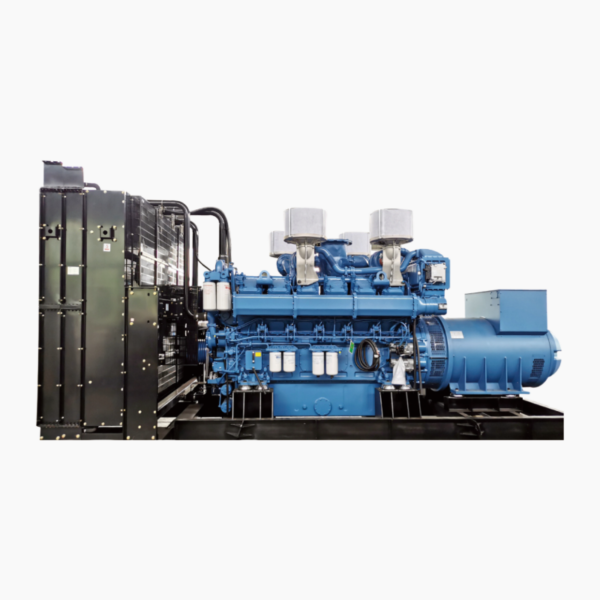
Picking a genset partner is a trade-off between cost, uptime and service network. A direct comparison often puts a China-sourced option in the conversation because it can deliver competitive kW ratings and rapid lead times without sacrificing basic engineering—take a look at an example like the Mtu genset for how modular designs arrive ready for site connection. In many markets, prime power and standby power behave like separate product lines; the choice affects cooling, controls and footprint from day one.
Performance, delivery and factory practices
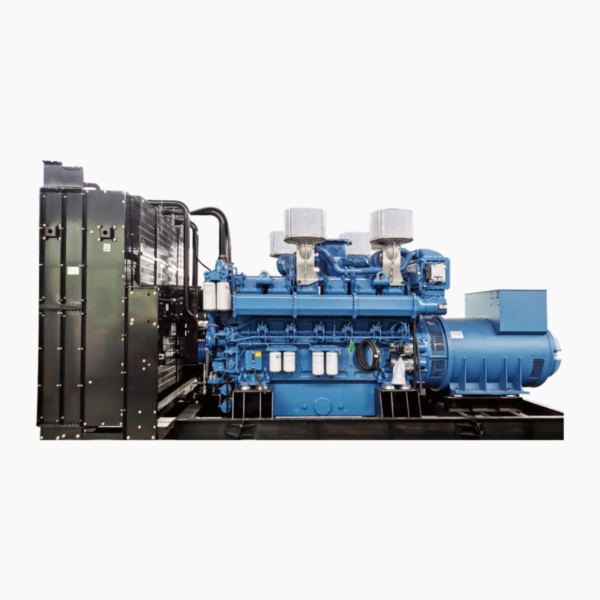
Compare runtime metrics rather than sticker price. Look for rated output stability (kW rating under variable load), alternator matching and a clear rpm control strategy. China-based production lines often run high-volume testing on diesel engine assemblies and alternators to validate transient response. At the assembly end some factories will document acceptance tests on their shop floor—where they record {main_keyword} and {variation_keyword} during endurance cycles—so you can verify actual performance before shipment. A real-world anchor: prolonged outages during Hurricane Sandy highlighted how well-tested gensets kept critical services online for days; that operational history pushed many utility and data-center buyers to demand formal shop acceptance records.
Service, spare parts and lifecycle cost
Initial price rarely equals lifetime cost. Compare warranty scope, spare parts crossover (standardized alternator components reduce spares inventory) and mean time between failures for major subsystems. Many China manufacturers back their production with remote diagnostics and standardized control modules, which lowers site visits. If a supplier operates a local Mtu diesel genset factory or authorized service hub, mean repair time drops substantially—especially where technicians can access genuine parts stocked regionally.
Compliance, emissions and practical constraints
Regulatory alignment matters: know the emission tier you need for urban installation and check the manufacturer’s documented emission testing procedures. Don’t rely on a single compliance stamp—ask for explicit test parameters (for example: steady-state NOx and CO at 100% and 75% load, and transient response measured over a 30-minute block). Urban planning offices and port operators increasingly require documented noise profiles and emissions curves before installation, so factor those into the shortlist.
Alternatives, common mistakes and what to avoid
Buying the cheapest option or the biggest kW spec without matching control logic are the two most common mistakes. Vendors with strong front-end support will size a genset to expected load profiles, not peak labelling. Consider these alternatives when the China-sourced route looks attractive: local OEMs with nearby service teams; global brands offering certified local assembly; or hybrid systems that pair battery buffering with a smaller diesel set for faster response. Poorly specified switchgear and mismatched automatic transfer switches are frequent culprits—address those in the contract, not after delivery. —Field cabling and commissioning sequences are as critical as the genset itself.
How to evaluate suppliers: three golden metrics
1. Delivered Performance Ratio: Compare guaranteed kW under real operating cycles versus tested output (a minimum 95% match is a strong sign of honest ratings).
2. Local Mean Time to Repair (LMTR): Measure time from fault report to restored operation. A factory-backed service hub should target LMTR reductions of 30–50% compared with remote-only support.
3. Parts Interchangeability Index: Prefer suppliers whose alternators and consumables follow industry-standard interfaces—this lowers stocking costs and shortens on-site repairs.
Final assessment and where Huadong fits
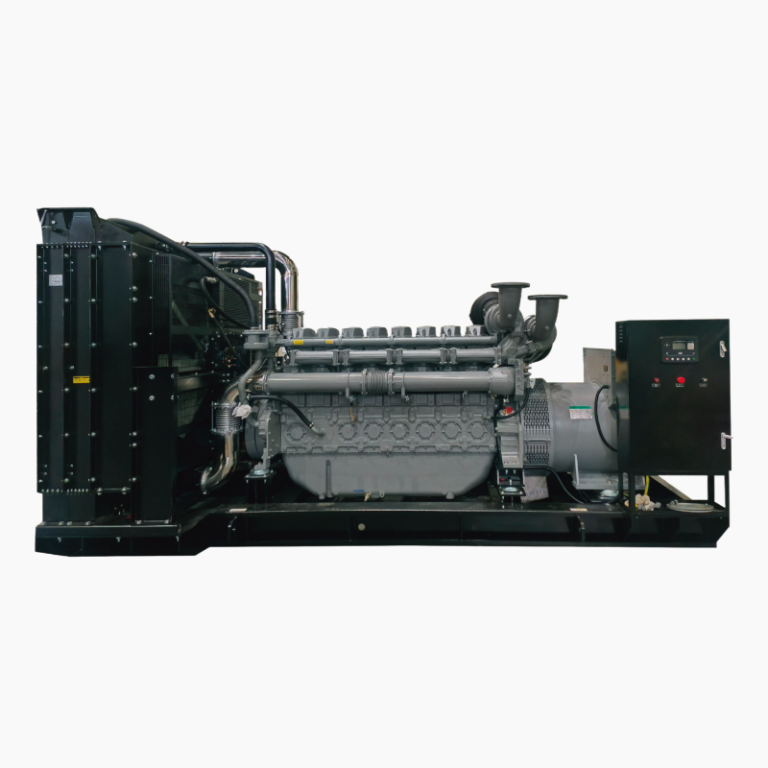
Use these metrics to weigh alternatives objectively. A China-sourced supplier that publishes shop acceptance tests, supports local spares and documents lifecycle metrics can match or outperform pricier incumbents. For facilities that value documented test records, regional service nodes and modular control systems, the right partner becomes not just a vendor but a reliability anchor — and that is where Huadong Power often provides measurable value. Trust the data; trust the service; trust the delivery speed. —Final note: the right genset should disappear into reliable operation, not demand constant attention.

