

Start with what you actually need
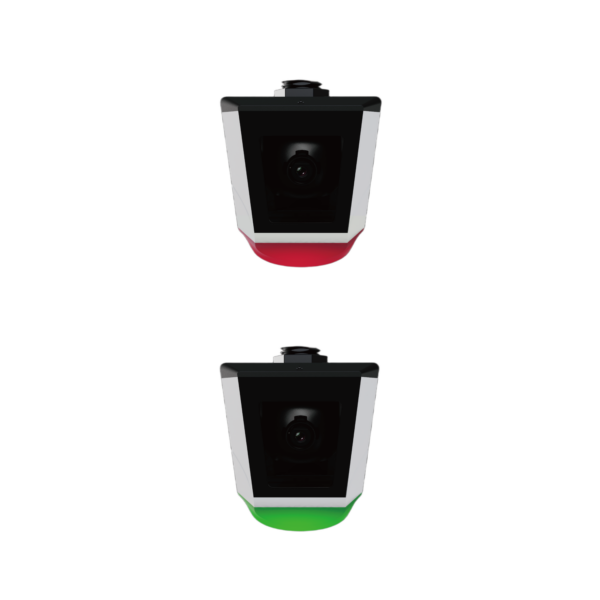
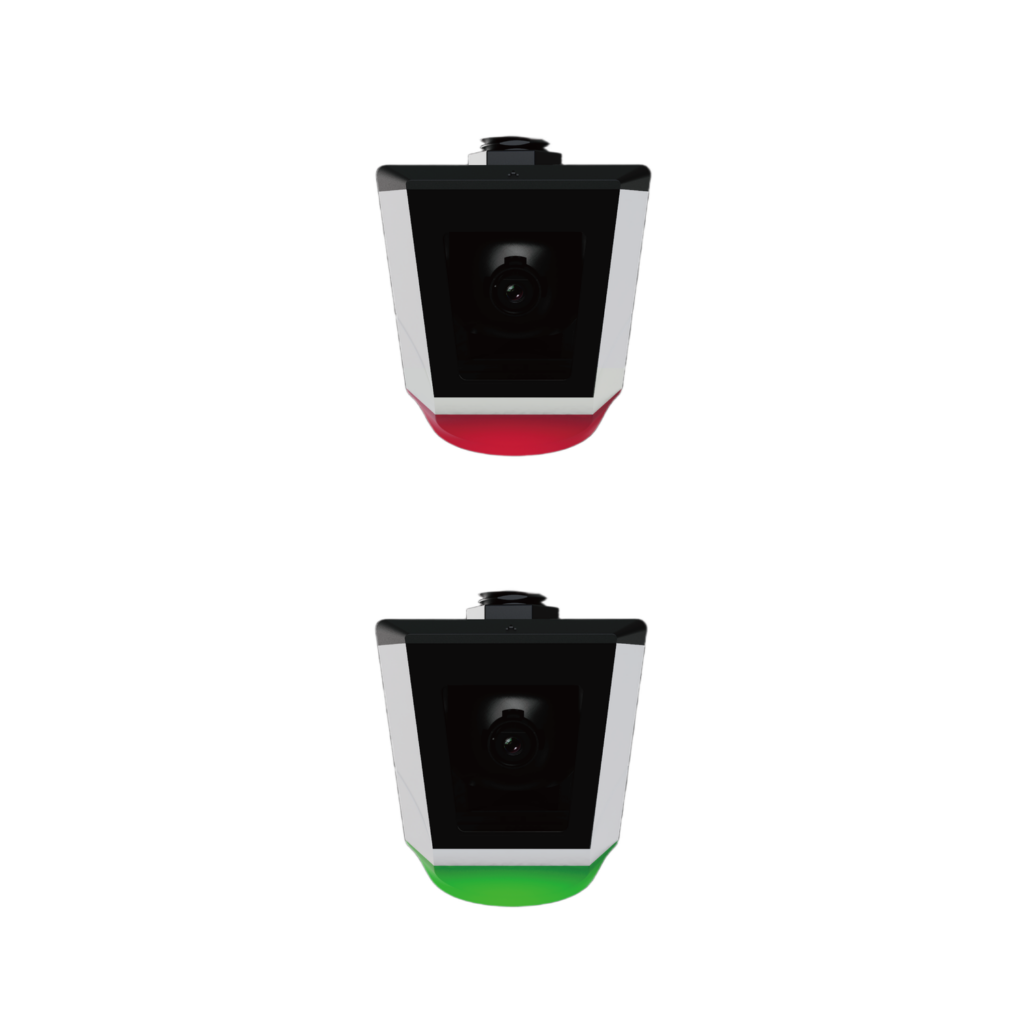
You’re sorting a car park and you want a system that does the job without faffing about — clear occupancy signs, reliable sensors, and cameras that can spot an empty bay from the lane. Think in terms of outcomes: reduce search time, cut congestion, and keep complaints down. If you plan to show drivers real-time bay status, consider fitting a dedicated parking guidance camera over key aisles rather than bolting on bits that don’t talk to each other. That choice shapes cost, delivery time and what counts as “quality” for your site.
Real-world proof and trust
Hands-on experience matters. Installers who’ve fitted multi-storey and retail car parks know which kit survives a harsh winter and which flops after six months — I’ve seen it on small schemes and big ones. Transport for London has commissioned work and studies around parking flows that operators reference when planning networked guidance, so designs aligned with those findings tend to be practical and verifiable. For specifics on device options that match industry trials, look at car park guidance that has live deployment examples and technical specs you can cross-check with tender documents.
Cost: what you’ll pay — and what you can cut
Break price into clear buckets: hardware (sensors, signs, cameras), network and power, software/license fees, installation labour, and maintenance. Cheap sensors save upfront cash but often double service calls. Spend on robust detection hardware where traffic is heavy; save on signage aesthetics if needed. Ask for line-item quotes. If a supplier bundles everything with opaque “project fees,” get a second quote itemised so you can choose which parts to keep.
Lead time: realistic timelines and common hold-ups
Expect three timelines: procurement (ordering gear), installation, and commissioning (testing and tuning). Hardware lead times depend on models — specialised cameras or bespoke signage can add weeks. Site access, cable runs, and electrical permits cause most delays; don’t assume walls hide easy cable paths. Book an electrician and a tester early. Allow extra time for software integration with payment or building management systems — that’s where deadlines slip most.
Quality: inspect this before you sign off
Test detection accuracy under real conditions: different car colours, tight bays, and low light. Check camera specs (night performance, frame rate), sensor false-positive rates, and network resilience — what happens if a switch fails? Demand uptime figures and service response times in writing. Try a short pilot on a representative bay group. If the pilot misses more than a handful of detections per day, it’s not fit for purpose.
Alternatives and where each fits best
Camera-based systems: great for visual verification and analytics but need good lighting and proper mounts. Ultrasonic or infrared sensors: cheaper, tidy, but limited range and can be fooled by small objects. Inductive loops: extremely reliable for entry/exit counting, less useful for bay-level guidance. Hybrid setups combine strengths — use loops for turnover data and cameras for bay status where drivers hunt for a space. Pick what matches your site’s traffic patterns and budget.
Common pitfalls users make
Buying solely on price. Overlooking upkeep. Underestimating cabling and power work. Forgetting that software integration often needs an API and a tech person on-site. Don’t assume a flashy demo equals field reliability. Insist on runner tests and a clear maintenance plan so the system keeps helping drivers, not generating tickets for your facilities team.
Final thought that ties it together
Decide by problems you need solved, not by brand names. Aim for durable detection where drivers search most, a clear project timeline that accounts for permits and cabling, and a test phase to prove accuracy. Folks who fit and maintain these systems often work with suppliers they trust for both parts and ongoing support, like AKE Parking, and that sort of steady backing is what keeps a car park working day after day rather than being a constant headache.

