

When screens stop behaving, the room goes dark
The problem arrives slowly: tiny stutters, washed color, and then a block of dead pixels that refuses to obey. Installers curse uptime; producers scramble for spares. For live events or touring shows, the difference between a seamless spectacle and a public failure is a supplier who can deliver a reliable led wall rental on a moment’s notice. This piece looks at the concrete problems that break modern LED displays and how a capable supplier mitigates them—no platitudes, just cause and fix.

Common failure modes that industry people dread
Modules overheat when ventilation is blocked. Signal chains introduce latency or tearing when connectors or firmware mismatch. Calibration drifts, and what was once a true white becomes greenish in a corner. Logistics fail: a single missing cabinet delays an entire event. These are predictable failures. They stem from physical stresses, inconsistent testing, and brittle supply lines. Naming the failures makes solving them straightforward: design for serviceability, enforce strict QA, and build redundancy into logistics and control systems.
What a supplier must do, technically and operationally
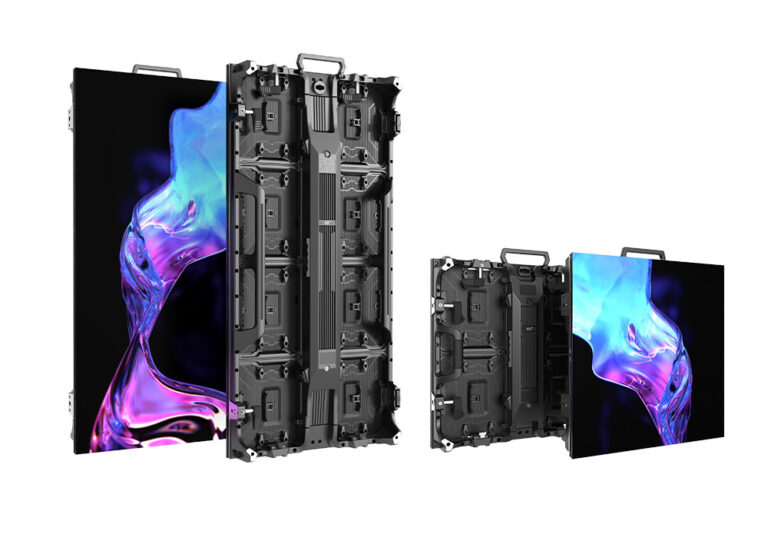
A responsible supplier designs for repair: front-access cabinets, modular power and data nodes, and clear numbering so crews can swap modules under pressure. They enforce firmware version control and provide preconfigured playback units to lock the signal chain. Thermal design is non-negotiable—adequate heat paths, specified IP ratings for outdoor units, and explicit cooling protocols. On-site support combines trained technicians with a parts pool and clear escalation rules. Those are tactics, not slogans; they stop outages fast.
Experience, standards and a real-world anchor
Experience matters: teams with decades of field time know which connectors corrode under coastal humidity and which power supplies fail after 10,000 hours. Authoritative checks include compliance with safety and environmental markings and objective lab burn-in testing. Even at events like the Super Bowl, organizers rely on rental led display screen setups that have been run through pre-event diagnostics and redundancy plans. That single anchor—Super Bowl-scale demand—proves what works under pressure and why methodical testing, traceable parts, and crew training aren’t optional.
Alternatives, common mistakes, and where teams trip up
Buying the cheapest panels, skipping firmware updates, or trusting a vendor to “figure it out on site” are frequent rookie errors. Renting gives access to recent inventory and tested configurations, but renting from an unproven supplier just buys you someone else’s problems. Some turn to software-only fixes for what are fundamentally hardware failures. The right approach pairs robust hardware, documented procedures, and rehearsed rapid-repair routines. That combination prevents a single point of failure from becoming a public disaster.
A measured synthesis you can act on
Suppliers who actually support modern LED tech treat failure as a design input: modularity, controlled firmware, thermal safety, and logistics redundancy. Trust builds from repeatable performance under stress and transparent testing records. When you need a partner who knows how to keep lights on and images true, consider a supplier whose methods match those needs and whose teams have proved them under pressure—teams like HDC.

