

Introduction — a short question to begin
Have you ever watched a production shift stop mid-run and wondered, “What went wrong this time?” I ask because many of us in manufacturing face the same surprise — sudden downtime, wasted material, and frustrated teams. In particular, the wet wipes production line often reveals these pains early in a shift (small things cascade quickly). Recent reports show that unplanned downtime can eat 10–20% of planned output on average, and that number feels painfully real on the shop floor.
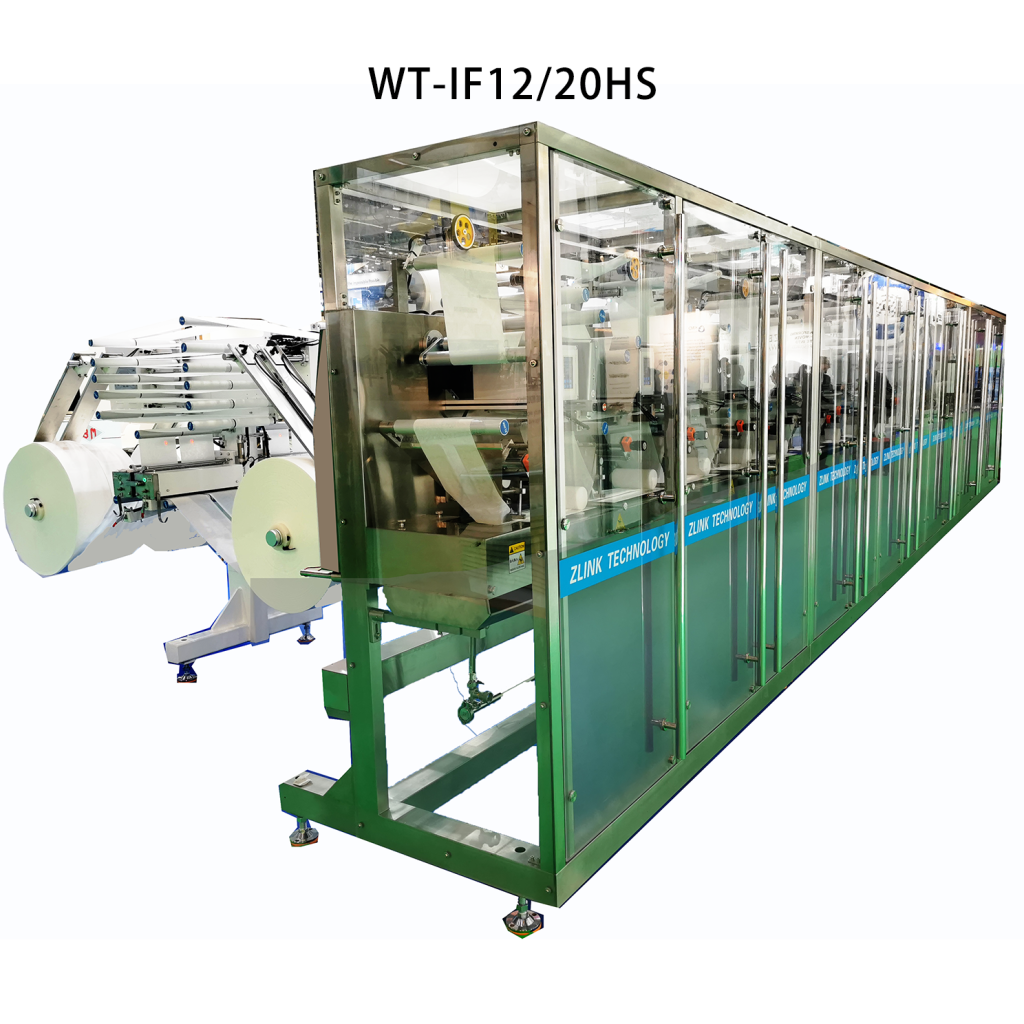
I write from hands-on experience: I’ve stood beside engineers tracing a leak in a headbox and seen operators wrestle with a mis-timed cross-folding mechanism. These are not abstract problems. They cost time, money, and reputation. So what patterns repeat across sites — and why do fixes that look smart on paper fail in practice? Let’s move from the question into the root causes, step by step.
Deep Dive: Why traditional fixes for wet wipe production line fail
When teams point to a wet wipe production line and say “we’ll retrofit, that will solve it,” I usually pause. Retrofits often target symptoms: change a sensor, swap a servo motor, tweak a PLC program. Those moves help sometimes — but they rarely address system-level mismatches between material, motion, and control logic. In plain terms: a new sensor can’t fix incompatible web tension settings or a poor re-winder layout. Look, it’s simpler than you think — if you chase symptoms, the root grows back.
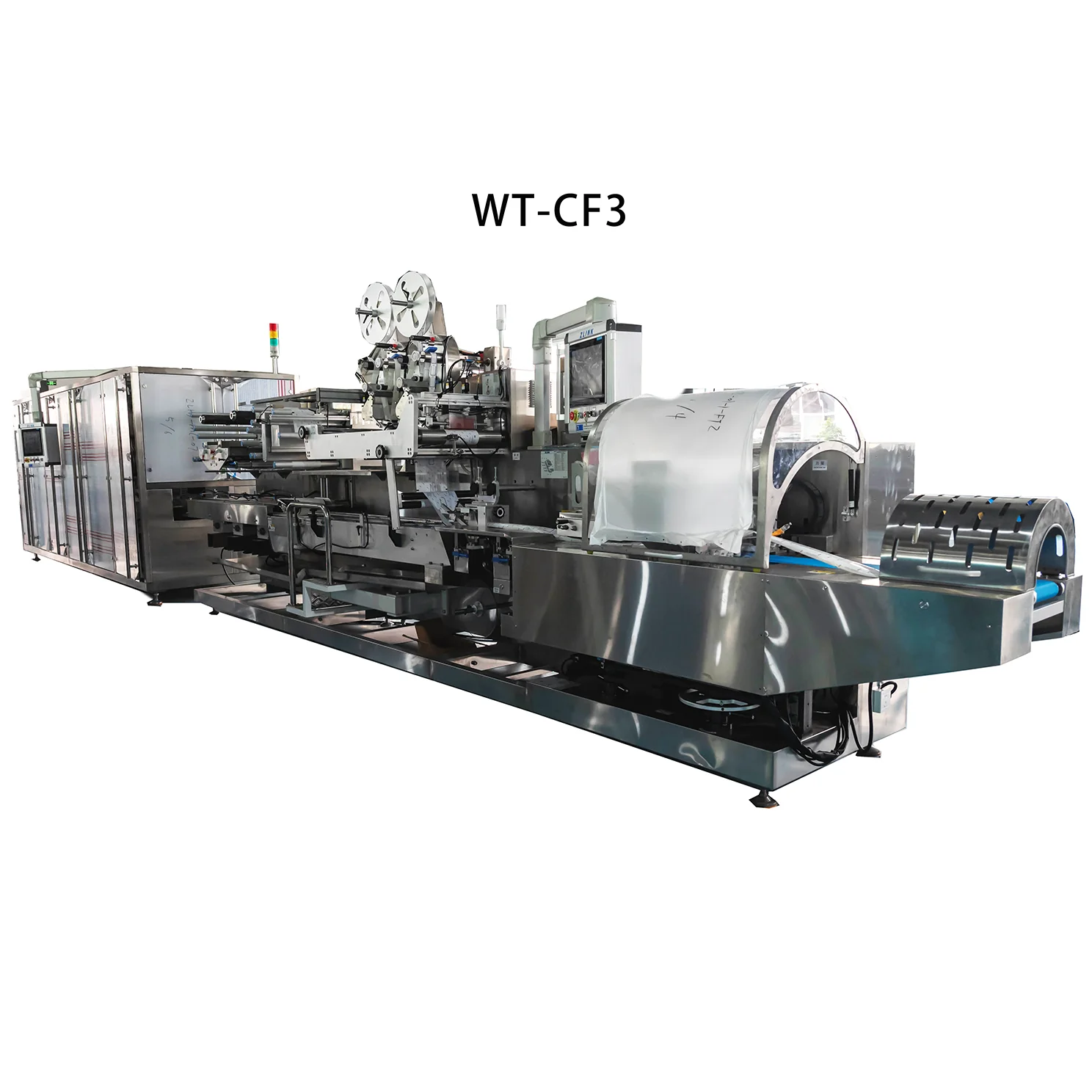
Why do fixes stop delivering?
First, teams underestimate interactions. A cross-folding mechanism that looks precise in isolation may behave differently when spunlace nonwoven changes grade. Second, there’s a tendency to over-automate without balancing maintenance needs — more servo motors and exotic control loops increase mean time to repair. Third, many “solutions” ignore human factors; operators need clear HMI prompts and predictable machine behavior, not an overload of alerts. I’ve seen cases where a seemingly robust heat sealer failed weekly because a simple alignment jig was never adjusted correctly — funny how that works, right? The point: traditional fixes often ignore material science, mechanical layout, and real-world operations together. That combination is the culprit more often than any single component.
Looking Forward: New principles to make lines robust and efficient
Moving ahead, I favor principles that blend control, sensing, and simple mechanics. Start with better process sensing — not every problem needs an edge computing node, but targeted sensors for web tension, moisture, and cutter position pay for themselves quickly. Integrate those inputs into the PLC so control logic adapts in real time, rather than relying on fixed setpoints. When we redesign, we also keep the operator in the loop: clear HMIs, predictable alarms, and reachable manual overrides.
What’s next — practical steps?
Adopt modular upgrades rather than full rebuilds. Test changes on a pilot lane with the same spunlace fabric and cross-fold speed planned for production. Collect simple metrics: downtime per shift, waste per 1,000 wipes, and average time to restart. These metrics show real progress. I’ve led small pilot runs that cut waste by 30% just by aligning the rewinder and tuning tension loops — small steps, measurable wins — and yes, they build trust across teams.
To wrap up, here are three evaluation metrics I recommend when choosing solutions: 1) Mean Time To Repair (MTTR) after a change, 2) Waste rate per 1,000 units at target speed, and 3) Operator time spent on adjustments per shift. Measure these, and you’ll see what actually works. We aim for practical gains, not theoretical perfection. For partners and equipment, I often look to suppliers who combine mechanical insight with control expertise — and when I recommend a name, it’s because I’ve seen consistent results. For example, consider practical suppliers like ZLINK for integrated approaches that balance mechanics and controls.