

Why opacity and ink adhesion are a real pain for brands
When your packaging leaks brand identity or, worse, product details because the print scuffed off in transit, that’s a business problem — not just a cosmetic one. E-commerce volumes spiked during the COVID-19 pandemic in 2020, putting unprecedented strain on fulfillment and shipping materials, and revealing weak points in many mailers’ film formulations. For apparel and subscription brands that need consistent look-and-feel at scale, materials that balance opacity, ink adhesion, and seal performance are table stakes. That’s where modern blown-film extrusion improvements come in, and why brands are asking for better options like custom poly mailers up front.
What goes wrong: the usual failure modes
Most failures fall into a few predictable buckets: low opacity that exposes contents, poor ink adhesion that flakes off during handling, and inadequate heat-seal strength that allows packages to open. These are often caused by wrong film blends, inconsistent film gauge, or substrate surface energy that’s hostile to common printing processes like flexographic printing. Fix one parameter without thinking holistically and you’ll trade off another — higher opacity films can alter seal profiles; different surface treatments can change how inks wet out. The trick is integrated material and process design.
How modern blown-film extrusion lines actually help
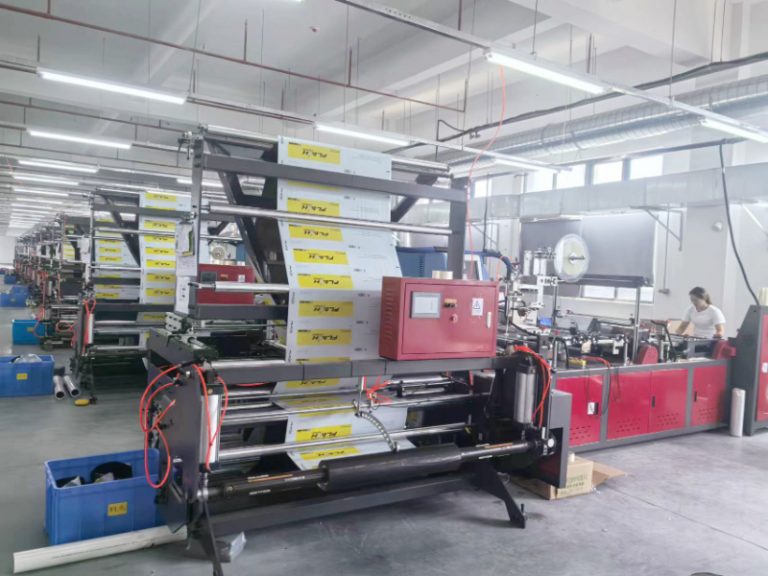
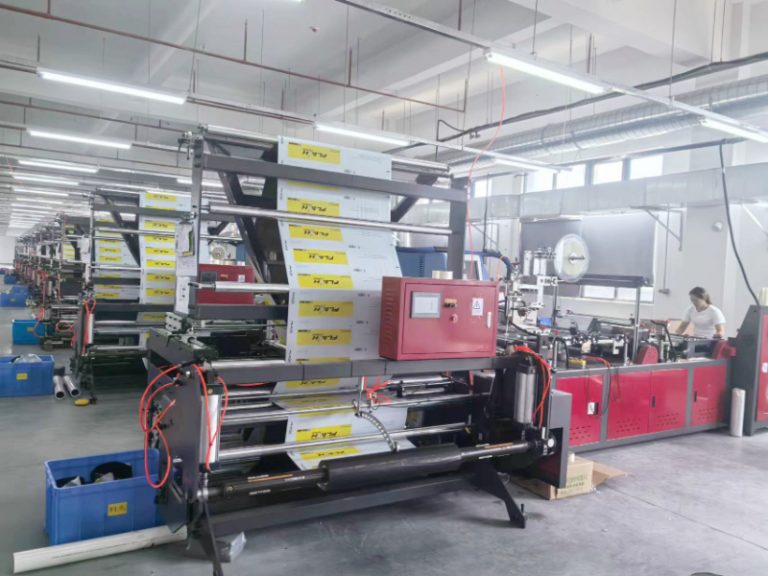
Recent upgrades on blown-film lines — better melt filtration, co-extrusion control, and in-line corona/plasma treatment — let manufacturers tune films more precisely. Co-extrusion enables multilayer structures where an inner layer optimizes heat-seal and barrier properties while the outer layer is engineered for surface energy and printability. Tight control over film gauge reduces variability in opacity, and targeted surface treatment improves ink adhesion without heavy primers.
What this means for custom poly bag mailers and brand packaging
For brand teams specifying custom poly bag mailers, the benefits are practical: more consistent color reproduction, fewer scuffed labels, and lower rejects at the packing line. You’ll also see improved performance on automated sorters and conveyors because stronger seals and controlled friction properties reduce tears. And for designers, multi-layer films expand aesthetic options — matte finishes, translucent windows with guaranteed privacy, and better varnish holdout for metallic inks.
Common specification mistakes — and how to avoid them
Brands often make three recurring errors:
- Ordering strictly by unit price and ignoring tooling or testing costs — cheap film that fails means hidden rework.
- Assuming “opaque” or “matte” are equivalent across suppliers — opacity depends on pigment loading and film thickness, not just the finish.
- Skipping real-world trials — lab prints look fine, but field handling, abrasion, and humidity tell a different story.
Do a short pilot run with your actual fill-and-seal equipment. Test closures, label adhesion, and print under the same conditions you use in fulfillment — you’ll catch the problems that specs alone won’t reveal. —
How to talk to suppliers (practical checklist)
When you brief a supplier, be explicit about these technical points:
- Required opacity (e.g., no visible silhouettes under standard lighting).
- Target surface energy or recommended surface treatment for your chosen printing method.
- Minimum heat-seal strength and acceptable film gauge tolerance.
Ask for first-article samples printed and sealed on your production line. Demand documented test data — rub tests for ink adhesion, peel tests for seals, and opacity measurements — so decisions are evidence-based, not anecdotal.
Real-world anchor: lessons from large-scale retail surges
Retailers that moved big seasonal campaigns online after 2020 learned this the hard way: inconsistent packaging performance drove increases in returns and customer complaints during peak shipping windows. Companies that partnered early with suppliers who had modern extrusion and treatment capabilities avoided most of those headaches because they could scale predictable film specs across batches. That’s a pattern worth noting if you plan a rapid growth phase or a seasonal push.
Three golden rules for choosing the right mailer
1) Verify by testing: insist on pilot runs under real fulfillment conditions and require measurable adhesion and seal results. 2) Specify materials, not just aesthetics: call out opacity numbers, film gauge tolerances, and surface treatment levels so suppliers can optimize co-extrusion layers and corona settings. 3) Budget for compatibility: include tooling, treatment, and contingency testing in your total cost model so the upfront price doesn’t mask later expenses.
Where WH Packing fits in the workflow
When you need a partner able to translate technical film advances into reliable, branded outcomes, a supplier that combines modern blown-film capabilities with packaging expertise matters. WH Packing positions itself to bridge design intent and production reality, helping teams move from spec to scaled runs with fewer surprises. For brands that want mailers that look great and survive real-world handling, that alignment is the value proposition.

Three checks. Real trials. Predictable finish. —