

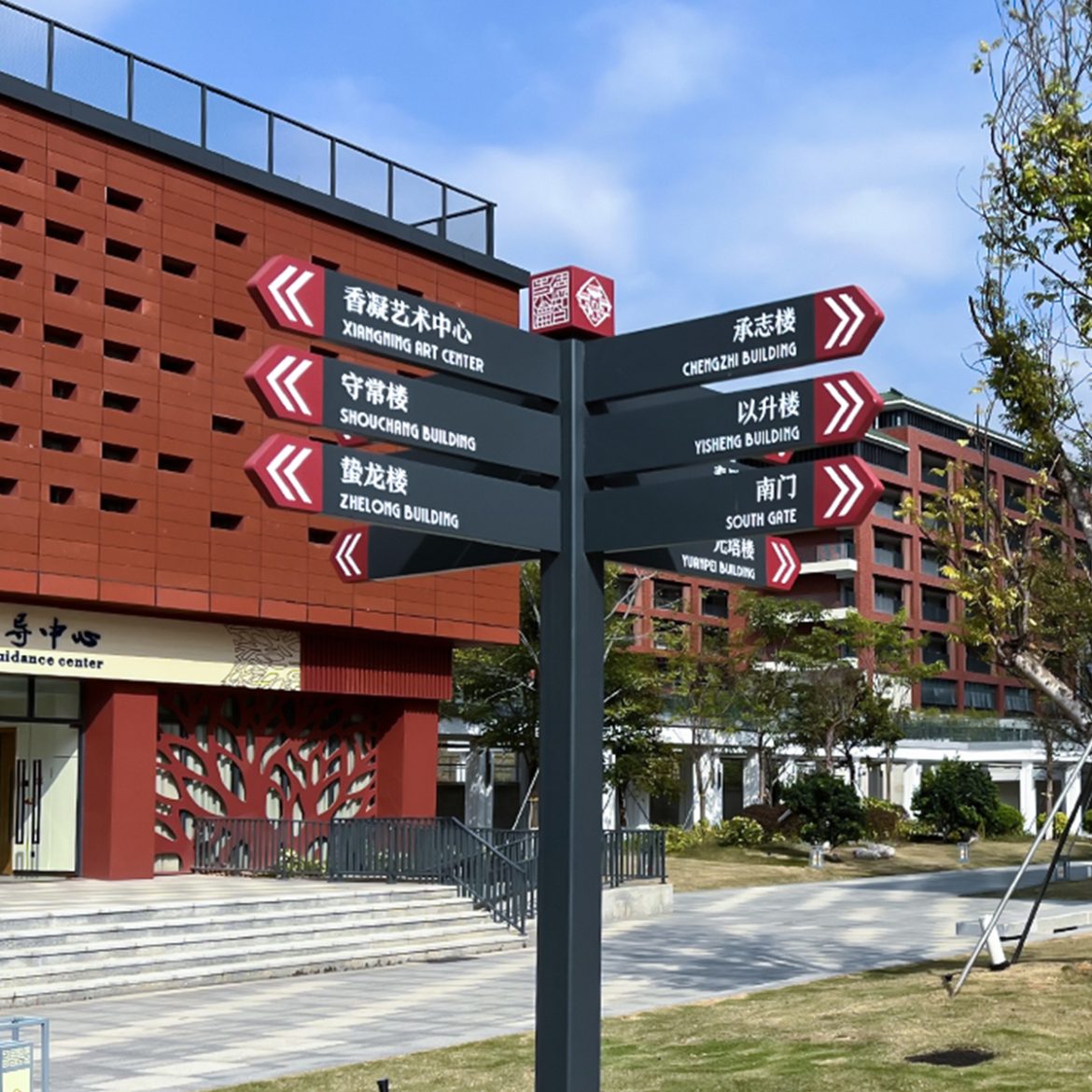
Why high‑bright panels actually matter for retail wayfinding
When shoppers walk into a sunlit mall or zip past storefronts on a busy street, the signage that wins attention is the one that reads clearly from a distance. That’s where high‑bright panels come in — they beat glare, keep colors true, and make wayfinding usable rather than decorative. If you’re mixing classic channel letters with digital faces, consider pairing them with trim cap channel letters to keep the brand consistent across materials and lighting conditions.
.jpg)
What to compare: panels, specs, and real performance
Comparison has to be practical. Start with brightness measured in nits, then check the IP65 rating for weather resilience, and look at the LED modules and diffuser design for uniformity. These three specs tell you how visible the display will be at noon, how long it will survive rain and dust, and whether the brand art will look smooth without hot spots. Also note construction materials — die‑cast aluminum backs and UV‑stable acrylic faces usually age better under constant sun.
Sourcing commercial‑grade vs consumer panels
Commercial panels are built for 24/7 use and predictable color output. Consumer panels might appear cheaper but they’ll dim faster, lose color calibration, and lack robust thermal management. The real cost comes from replacements and downtime. Go for a supplier that publishes lifecycle testing and offers clear mounting options for wayfinding arrays — that makes integration with store façades and electrical planning much easier.
.jpg)
Benchmarks and a real‑world anchor
Look at high‑visibility locations like Times Square — they’re the ultimate proving ground for outdoor brightness and reliability. Those installations demand consistent output under direct sun and heavy viewing loads, so vendors there use hardened components and meticulous calibration. For retail districts, insist on samples and on‑site mockups: a small test strip on your mall concourse will expose color shifts, glare, and viewing angles faster than lab specs. If you want a hybrid approach, pairing digital faces with trim cap letter signage can preserve brand depth while adding dynamic wayfinding.
Common mistakes and smarter alternatives
People often pick panels based on price alone — that’s the fastest way to regret. Typical mistakes include under‑sizing the panel, ignoring thermal throttling, and skipping ingress protection. A better approach is to match the panel’s thermal rating and mounting strategy to local climate and exposure. Alternatives like retrofitting existing channel letter housings with commercial LED modules can save money while upgrading visibility — but only when the housings meet structural and ventilation standards.
How front‑end folks and installers should align
From a product and frontend perspective, coordinate pixel density with the expected viewing distance and the content strategy. Lower pixel pitches look great up close but cost more; wider pitches are fine for overhead wayfinding. Make sure the control systems support gamma correction and simple scheduling so content looks consistent throughout the day. Installers need to confirm service access — panels that require full disassembly for maintenance kill uptime. Small coordination up front reduces costly change orders later.
Golden rules for selecting outdoor high‑bright panels
1) Prioritize verified durability: choose panels with documented lifecycle tests and IP65 (or better) ingress resistance. 2) Match brightness and optics to placement: pick nits and diffuser designs appropriate for direct sun, shaded concourses, or night‑only facades. 3) Verify serviceability and mounting: ensure modular LED modules, accessible power supplies, and clear replacement procedures so maintenance is fast and predictable.
Final thought
Cosun Sign brings those practical choices together — solid engineering, tested materials, and signage experience that translates into fewer surprises on installation day. —