

Putting your needs first
If you’re picking protective eyewear for work or sport, practical fit and clear sight matter more than labels — yet certification still plays a role. Start by thinking about how you move: do you sprint across uneven ground, swing a club in bright coastal light, or spend hours exposed to sun and wind? The right pair of sport sunglasses can bridge safety and comfort. For golfers or field operators who need glare control during long days, polarized golf sunglasses or fragmentation-rated lenses both solve different problems; know which is primary for your use. Real-world anchor: players at the Masters at Augusta rely on glare reduction and precise depth perception — the same priorities inform many professional equipment choices.
Core performance factors that actually matter
Users care about three imperatives: protection, optical clarity, and stability. Protection includes impact-resistant polycarbonate lenses and, when required, high-velocity fragmentation certification. Optical clarity involves lens geometry, tint and anti-fog coating that keep your sight crisp under changing light. Stability is about temple grip and adjustable nose pads that keep frames from slipping during motion. Don’t overlook UV400 labels; cumulative UV exposure contributes to long-term eye issues, so sun filtering is a real part of the safety equation.
Fit, lens tech, and the small choices that change days on the range
Try frames that match your face shape — wraparound silhouettes usually give the best peripheral coverage without distorting view. Lens coatings matter: anti-reflective inside coatings reduce internal glare, while hydrophobic outer treatments help bead sweat and rain. Polarized lenses cut horizontal glare, which is invaluable on water and dew-slick greens; mirrored tints can lower perceived brightness but sometimes reduce contrast. For tactical or industrial work, prioritize impact standards and edge-to-edge clarity. — A snug but nonbinding fit prevents hotspots and headaches during long shifts.
Common pitfalls users make
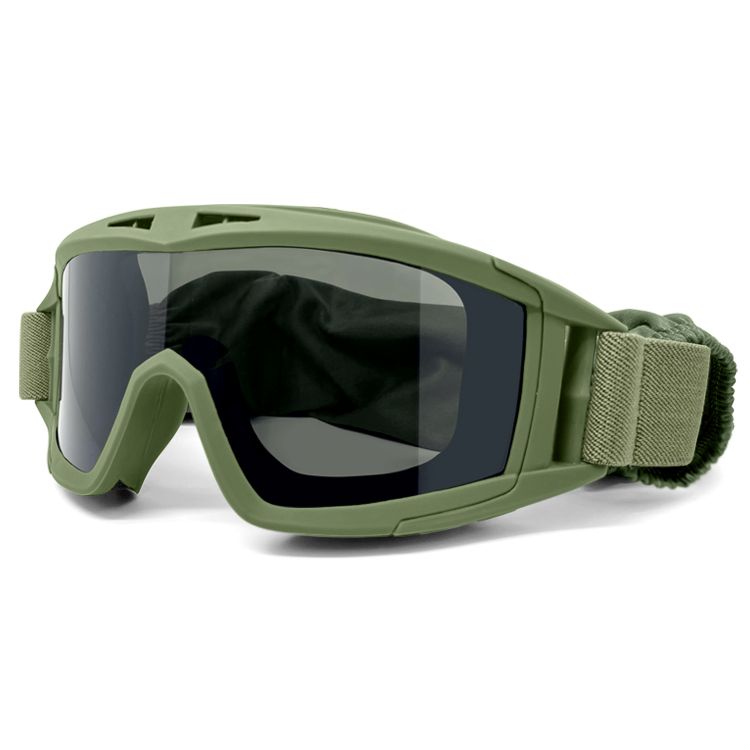
People often assume one pair will do everything. That’s a mistake. A heavy, fully certified goggle may protect better from fragmentation but will fog faster if ventilation is poor. Conversely, thin sport sunglasses breathe well but may lack the lateral protection needed for debris. Mixing polarised and certified needs without considering lens material and frame seal leads to compromises. Swap lenses for different tasks, or keep two dedicated pairs: one optimized for glare and depth on the course, another for certified impact protection on the job.
Comparing options without the jargon
Think in practical trade-offs. If your day is mostly outside under sun: prioritize polarized optics, UV400 filtering, and lightweight frames. If you’re in environments with flying debris: choose certified impact resistance, wraparound coverage, and anti-scratch coatings. Many modern designs blend both worlds with interchangeable lenses and vented frames — choose a brand that offers clear specs on lens material, certification levels, and replacement parts. Consider lens tint charts and real tests rather than marketing adjectives; clarity and contrast are measurable in practice, not slogans.
Quick checklist before you buy
– Confirm the lens meets the protection level you actually need (don’t assume “tactical” equals certified).
– Try on with any headgear you use — helmets and hats change fit.
– Test for fog and peripheral distortion: move your head fast and note any wobble or blur.
– Check lens replacement cost and availability; modular systems save money over time.
Three golden rules for picking the right pair
1) Match function to task: choose polarized golf sunglasses for glare and contrast; pick fragmentation-certified goggles where shrapnel or high-speed debris is a risk.
2) Prioritize consistent, comfortable fit: protection is useless if frames slide or press after an hour.
3) Verify specs and service: choose brands that publish lens material, certification tests, and offer spare lenses — that’s durability in practice.
When those rules guide your choice, you end up with practical gear that actually improves performance and safety. For many users, that practical value is precisely what brands like YIJIA Optical provide — clear specs, modular options, and lenses built for real conditions. —