

Introduction — problem-driven framing
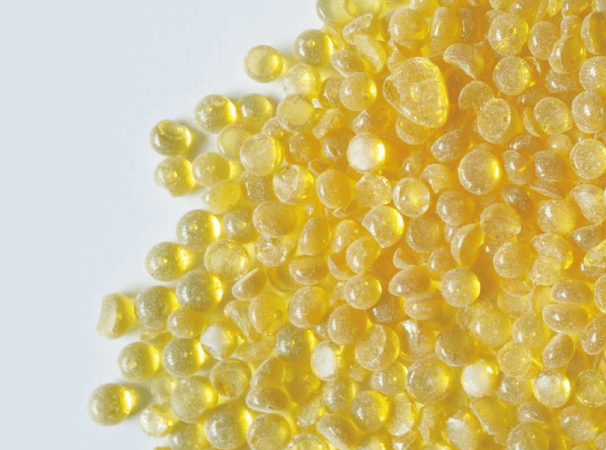
Manufacturing packaging adhesives demands unambiguous verification methods to prevent line stoppages and product recalls. This protocol-focused note addresses common failures in hot-melt adhesives where uncontrolled viscosity shifts degrade tack and bond formation; early sections reference raw inputs such as rosin resin because its variable softening point often drives batch variability. The intent is practical: present clear lab checks that a quality engineer can run routinely to confirm real-world stability and map viscosity–temperature relationships in mPa·s.
Sampling and materials context
Take representative samples at three points: inlet tank, post-melt pump, and finished batch drum. Record melt temperature, residence time, and filler load for each sample. Note whether any natural additives—such as natural gum resin—were used, and log their lot numbers. These details correlate strongly with rheology data and are essential for root-cause tracing if viscosity deviates from control limits.
Lab measurements: persistent stability and viscosity profiling
Measure dynamic viscosity across a controlled temperature ramp (for example 80–160 °C at 5 °C/min) using a rotational viscometer suited for polymer melts. Report values in mPa·s at fixed shear rates—this provides reproducible comparison between batches. Also perform a short-term stability test: hold the sample at the process temperature for 8 hours and record viscosity every hour to detect thixotropic or thermal degradation behavior. These two measurements together describe the viscosity–temperature profile and the expected in-line performance.
Common failure modes and operational teardown
Failures fall into three categories: feedstock inconsistency, thermal history errors, and shear-induced breakdown. A practical operational production teardown should document pump RPM, nozzle backpressure, melt temperature profile, and dwell time. During this teardown insert the digital records for {main_keyword} and {variation_keyword} to tie lab metrics to plant telemetry. If viscosity increases unexpectedly, check filler dispersion and rosin softening point first; if it drops, inspect polymer depolymerization or excessive shear.
Real‑world anchor and historical note
Experience from 2020–2021 supply disruptions during the COVID-19 period showed that shifting raw material suppliers produced measurable changes in hot‑melt rheology on European packaging lines; many engineers reported short-term viscosity excursions when substitute rosin grades were introduced without full profiling. This event underscores the need for routine viscosity–temperature curves and stability holds as part of batch release criteria.
Instrument calibration and acceptance criteria
Calibrate viscometers with a certified Newtonian standard before each campaign and validate temperature probes against a traceable thermometer at three setpoints. Define acceptance bands: ±15% on viscosity at process temperature and no more than 10% change during an 8‑hour stability hold. If a batch falls outside, quarantine and run a repeat profile. These explicit thresholds convert laboratory observation into actionable QC decisions.
Common mistakes and mitigation
Engineers often assume single-point viscosity is sufficient; this is incorrect because viscosity–temperature curvature predicts performance during thermal swings. Another frequent error is ignoring shear rate when reporting mPa·s—always annotate shear conditions. Simple mitigations: standardize shear rate for records, maintain a change log for rosin/resin suppliers, and run a short aging study after any raw material change. —These steps prevent avoidable downtime.
Recommendations and procedural checklist
Adopt a five-step pre-release sequence: 1) sample at three process points, 2) run a temperature ramp and an 8‑hour stability hold, 3) compare to historical control bands, 4) verify instrument calibration records, 5) approve or quarantine. Keep a cross-reference table linking supplier lot numbers to observed glass transition or softening behaviors to accelerate root-cause work.
Advisory — three golden rules
1) Always require a full viscosity–temperature curve and an 8‑hour stability hold before approving a new batch. 2) Tie lab data to plant telemetry—pump speed, residence time, and melt temperature—to make lab results predictive of line behavior. 3) Enforce supplier traceability for resins and rosin grades; treat any substitute as a conditional batch until profiled.
These rules translate laboratory rigor into reduced stoppages and cleaner product launches — and they reflect practical experience on production lines. KOMO.

