

Why a clear framework matters
If you’re rolling out dozens or hundreds of home energy projects, the policy and technical paperwork can swamp your timeline — ja, it happens. A repeatable framework keeps procurement, engineering, and legal teams singing from the same sheet and avoids surprises at the grid edge. Think of this as the operating manual for your BESS roll‑out: from scoping the point of interconnection to closing the interconnection agreement and commissioning the inverter settings. In South Africa we’ve seen how recurring Eskom load‑shedding pushed developers to scale faster — and those who’d pre‑mapped hosting capacity and queue exposure won the day. The approach below fits whether you’re doing clustered townhouse installs or a nation‑scale roll.
The five-step interconnection framework
Keep it simple and stage‑gated. Use these five steps as your backbone:
- Scoping & site control: confirm addresses, meter IDs, and distribution feeder info early (don’t assume).
- Pre‑application screening: check hosting capacity and existing queue backlog with the utility.
- Formal application & study phase: budget for a system impact study and possible network upgrades.
- Commercial negotiation: draft the interconnection agreement, define milestones, security deposits, and curtailment rules.
- Commissioning & operations: final relay/inverter settings, anti‑islanding tests, and telemetry/SCADA handover.
Each stage must have clear exit criteria (e.g., study complete, IA signed, PO ready). Industry terms you’ll see often include point of interconnection (POI), system impact study, and hosting capacity — keep ’em handy when you brief the team.
Common choke points — and practical fixes
Most projects stall in three places: queue position, study delays, and upgrade cost allocation. Utilities run long queues after incentive windows close; studies get backlogged; and suddenly your cost estimate balloons because a feeder upgrade is needed. Mitigations are simple in theory: secure firm site control, offer to accelerate study payments, or group sites to share an upgrade cost. —
Also, don’t forget the technical gotchas: inverter anti‑islanding settings, relay coordination, and compliance with grid codes (for example, IEEE 1547 standards where applicable). Early lab tests of protection settings with your chosen inverter model reduce rework at commissioning.
Contract & technical checklist
Make your interconnection agreement checklist non‑negotiable:
- Scope of work and milestones with liquidated damages for missed utility timelines.
- Study deliverables, fee schedule, and responsibility for network upgrades.
- Performance guarantees: availability, round‑trip efficiency, and cycle life expectations.
- Telemetry and data sharing requirements for dispatch or market participation.
- Technical appendices: POI, protection settings, inverter certification, and anti‑islanding verification.
Include a sample acceptance test protocol tied to the IA — it forces clarity on what “commissioned” actually means for both sides.
Vendor, OEM and partner evaluation
When you’re choosing integrators, inverter OEMs, or a third‑party operator, evaluate three axes: technical capability, interconnection track record, and commercial flexibility. Ask for previous interconnection agreements (redacted) and examples of how they handled required feeder upgrades. For project partners that also offer an energy storage solution, check their SCADA/communications stack and how they manage dispatch signals — those matter once you’re live and bidding into flexible tariffs or VPP programmes.
Budgeting for uncertainty
Pro‑tips on cost control: set aside a conservative contingency for study and upgrade costs (many teams under‑reserve this), and link milestone payments to utility deliverables. If you’re doing bulk installs, negotiate aggregated study fees or a single cluster upgrade to lower per‑site spend. Also watch for tariff changes and net metering policy shifts — they alter project economics overnight.
Summary: how the pieces fit together
Build a repeatable playbook that ties site control to queue management, studies to contracts, and contracts to commissioning. If you institutionalise lessons from the first 10–20 sites, the remaining installs will go faster and cleaner. The real value comes from harmonising technical specs (inverter settings, POI data) with contractual clarity so your field teams don’t get stopped by paperwork mid‑commissioning.
Three golden rules for choosing the right strategy
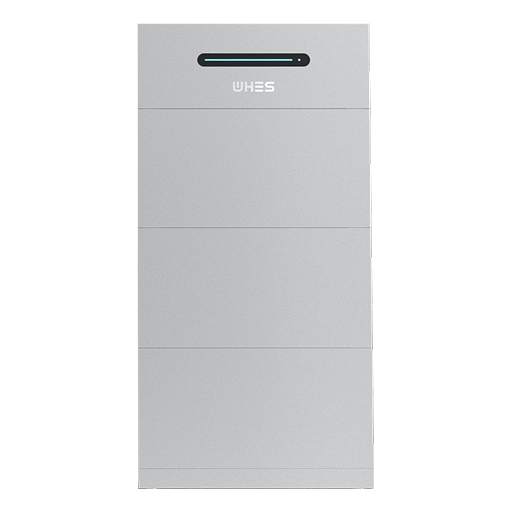
1) Measure utility risk: track queue length, average study lead‑time, and historical upgrade frequency by feeder — pick partner contracts that share or cap your exposure. 2) Insist on proven technical integration: require factory acceptance tests and documented compliance with relevant standards (e.g., IEEE 1547) before mass procurement. 3) Use total cost of interconnection as your primary metric: include study fees, upgrade allocations, delay costs, and O&M overhead — not just CAPEX per kWh. When you align procurement, engineering, and legal around those metrics, you keep projects moving and investors calm. For teams wanting a partner that blends interconnection experience with turnkey deployment, WHES often sits in that sweet spot.
Plan clean, test early, and keep the paper tight — projects that do win. short final thought.