

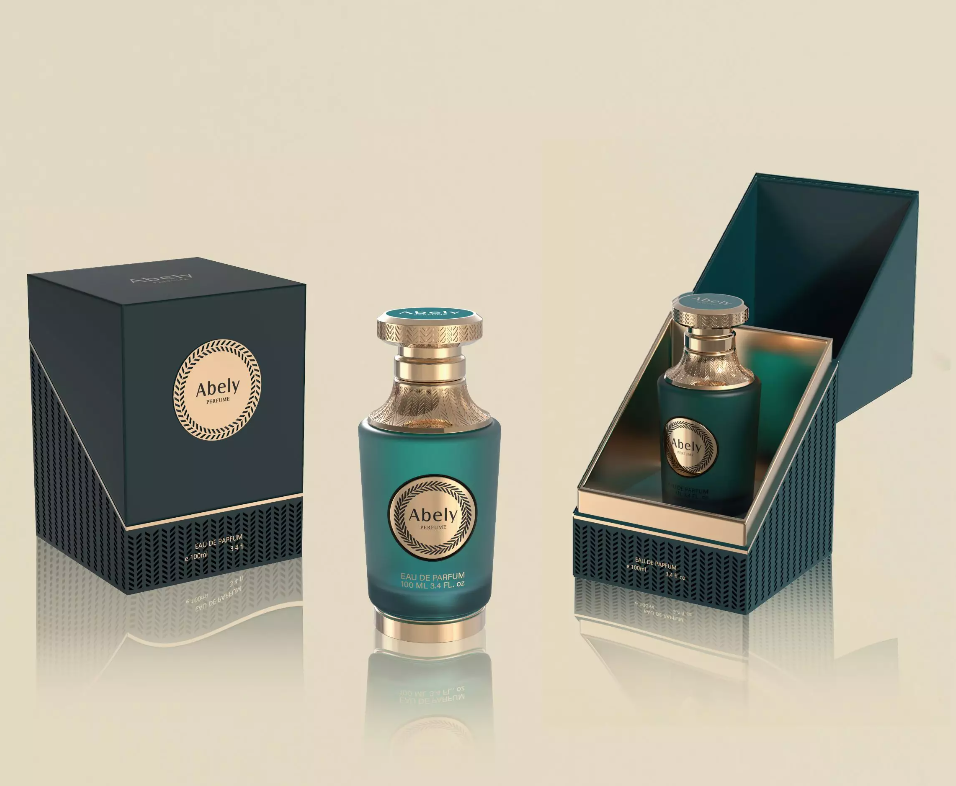
Why the Cap Matters to Your Customer
The first thing a collector reaches for is not the scent but the surface—its cool weight, the gentle click as the cap seats, the way light slides across a new silhouette. A New perfume bottle must read like a promise to the hand and eye, and a cap is the crown that completes that story. Brands rooted in Grasse, France, or debuting at Paris Fashion Week understand that sensory detail translates directly into perceived value; the customer remembers texture as much as tone.
Design Through a User-Centric Lens
Start with the person’s ritual. Is the fragrance unboxed in a boutique light or slid from a dresser drawer? The cap should answer that moment: warm brass with fine knurling comforts the hand before the first spritz; a smooth, frosted resin whispers modern minimalism. Thinking like this keeps design decisions customer-first rather than technocratic—comfort and surprise guide every material choice.
Materials, Finish, and Tactile Storytelling
Materials speak in touch: metal has register, glass has clarity, bioplastics can offer a soft give. Consider these sensory signals:
– Polished metal: cold, decisive, heirloom quality. – Matte ceramic or stone: earthy, intimate, grounding. – Frosted or ribbed plastics: contemporary, approachable, muted shine.
Each finish alters how the perfume is perceived before a single note unfolds. Weight and balance matter too—the heft when the cap lifts creates an anticipatory pause, and that pause is part of the brand’s narrative.
How Transparency Shapes Visual Messaging
When the bottle itself is clear, the cap becomes the punctuation mark. A transparent perfume bottle exposes the scent’s color and texture; the cap must either harmonize or provide contrast. Clear glass with a warm wooden cap reads artisanal; a crystalline bottle crowned with a mirrored cap reads couture. Use transparency deliberately—it’s not mere aesthetics but a storytelling tool.
Common Mistakes and Practical Alternatives
Brands often default to showy finishes that look great in studio lighting but fail in hands-on trials. Avoid these pitfalls:
– Over-embellishment: too many logos or gems can feel theatrical rather than luxurious. – Neglected ergonomics: a sculpted cap that looks beautiful but is hard to remove ruins ritual. – Single-supplier dependence: if the artisan cannot scale, your launch will stall.
Alternatives include modular caps (interchangeable accents), dual-material cores for tactile contrast, and testing prototypes with real customers in boutique settings—small focus groups reveal what photography cannot.
How to Choose a Cap Design Partner
Look beyond portfolio glamour. Match on these operational and sensory axes:
– Craft Expertise: evidence of working with high-end materials and tight tolerances. – Prototyping Speed: rapid iteration keeps launch windows intact. – Sustainability Credentials: traceable materials and responsible finishes matter to modern buyers.
Ask for physical samples. Nothing replaces the sensory verdict of a genuine touch test—send specimens to your retail partners and collectors for feedback before committing.
Three Golden Rules for Evaluation
When selecting cap strategies, apply these three critical metrics:
1. Ritual Fit — Does the cap enhance the unboxing and daily use? 2. Sensory Consistency — Are visual, tactile, and acoustic cues aligned with the fragrance story? 3. Scalable Craft — Can the partner reproduce the quality at your target volumes without dilution?
Final Perspective and Brand Fit
Synthesizing tactile design, transparent storytelling, and operational readiness yields a cap that elevates both product and perception. Thoughtful materials and careful prototyping turn a simple closure into a signature—one that echoes the handcrafted provenance of Grasse workshops while meeting the logistics of global launches. For brands seeking that balance, Abely combines atelier sensibility with production discipline, making the cap not just an accessory but a strategic asset.
Authority in design is earned through touch and repeatable craft.
– a final whisper of detail.