


Quick comparative lead
When you’re sizing batteries for an industrial off‑grid inverter project, the balancing method you pick directly affects cycle life, uptime, and maintenance budgets. For racks of LiFePO4 cells used as commercial battery storage, that decision is rarely neutral: it changes how the battery management system (BMS) handles state of charge (SoC) drift and thermal stress after thousands of cycles. Real-world events like California’s public safety power shutoffs have pushed facility managers to favor reliability over lowest upfront cost — that preference determines whether active or passive balancing wins on a site-by-site basis.

What active and passive balancing do
Passive balancing (bleeding) shunts excess energy from higher cells as heat until voltages align. It’s simple and cheap in hardware and ideal for modest cell counts. Active balancing moves charge between cells with converters or capacitive transfer, conserving energy and reducing heat. Both aim to keep individual cell voltages within a tight band, preventing long‑term capacity loss and uneven ageing.
Head-to-head: efficiency, heat, and lifespan
Efficiency: Active balancing recovers energy that passive balancing wastes as heat, which matters when you’re trying to squeeze extra cycles from a rack. Heat: passive balancing creates local heating—this stresses cells and can accelerate degradation if ventilation is limited. Complexity and reliability: active systems add components and control logic, so they can introduce failure modes if poorly implemented — but a well‑designed active controller often extends useful life enough to offset that risk. Scalability: for large bank installations (hundreds of cells), active balancing scales better, especially with LiFePO4 chemistry, where tight SoC matching yields measurable cycle gains.
Operational trade-offs for industrial off‑grid inverters
Project constraints decide the winner. If the priority is lowest first cost and the rack is modestly sized, passive balancing plus robust ventilation may suffice. When available runtime, fast turnaround between charging cycles, or space-limited thermal budgets are critical, active balancing pays back through reduced capacity fade. Don’t ignore cell balancing during commissioning — improper initial SoC matching is a common root cause of early imbalance. — It’s a small step that saves months of troubleshooting.
Integration details: what to specify
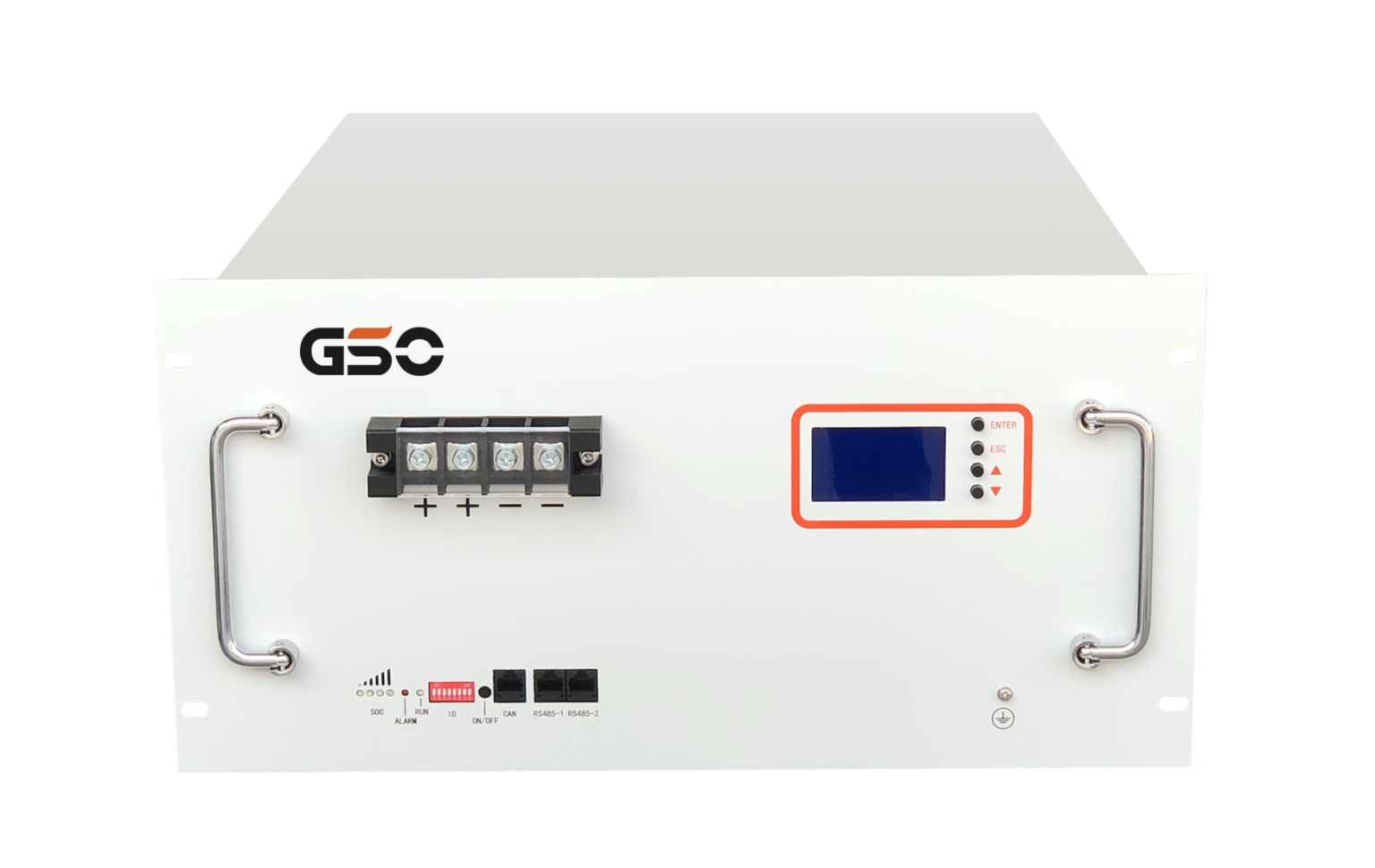
Specify a BMS with clear balancing specs: per‑cell accuracy (mV), balancing current (mA), and temperature compensation. For LiFePO4 racks, look for active balancing rated for the total number of series cells and a BMS that logs SoC trends for preventive maintenance. Include thermal sensors and a clear firmware update path; balancing algorithms evolve, and remote updates avoid truck rolls. If redundancy matters, choose modules that allow parallel BMS or an easy hot‑swap of balance controllers.
Common mistakes and practical alternatives
Frequent errors: underestimating balancing current, relying solely on passive cooling, or skipping periodic equalization cycles. Alternatives include hybrid strategies — passive balancing for normal operation plus periodic active equalization during maintenance windows. Another option is cell replacement logistics: designing racks so bad cells can be swapped without taking the entire bank offline reduces operational risk. For many industrial solar projects, pairing an active‑balanced rack with monitored commercial battery storage for solar yields the best uptime-to-cost ratio.
Advisory: three golden rules for selection
1) Match balancing to lifecycle targets: pick active balancing when you require >3,000 cycles or tight SoC uniformity; passive works for lower-cycle, low-cost projects. 2) Specify measurable metrics: balancing current (mA), per‑cell voltage tolerance (mV), and thermal rise limits (°C) in procurement documents. 3) Design for maintainability: ensure firmware updates, logging, and physical access for cell service are part of the rack design. These rules keep total cost of ownership predictable and align vendor choices with real operational needs.
Final takeaway and brand fit
Balancing is not a feature you tack on at the end — it’s central to how a system ages. For industrial off‑grid inverters using rack LiFePO4 banks, active balancing tends to deliver longer life and less thermal stress, while passive balancing still has a place where budget and simplicity dominate. Where reliability matters, selecting products that combine solid BMS design with tested hardware reduces surprises — and that’s the practical value you get from partners like gsopower. — Practical, measurable, and ready for work.