

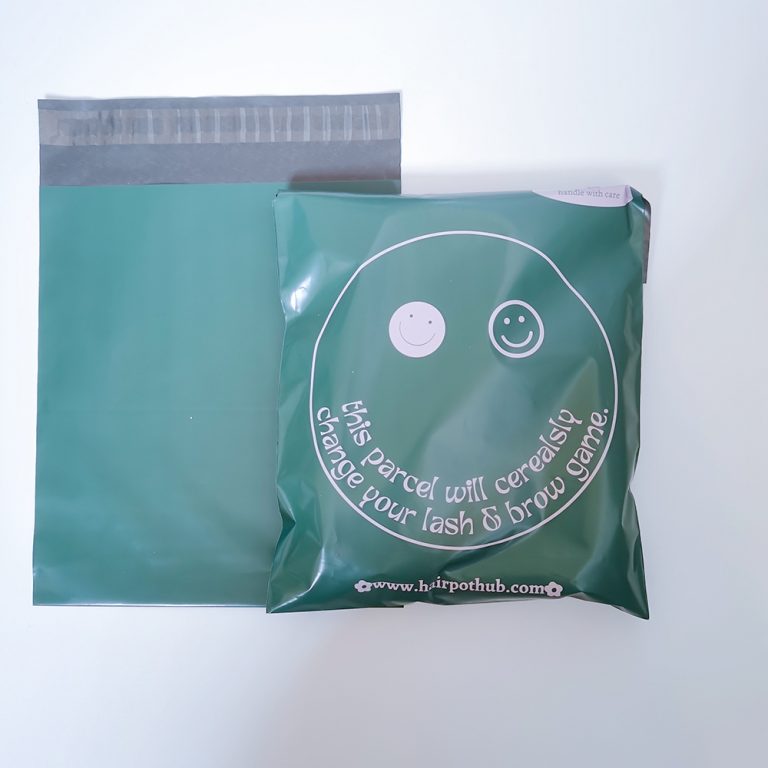
The problem, simply put
When parcels arrive damp, torn, or with contents mashed against a seam, a brand loses more than a sale — it loses trust. For many merchants the weak link is the mailer itself: insufficient puncture resistance, a compromised water barrier, or an over-thin film gauge that serves cost-savings more than protection. This is where choosing eco friendly poly mailers becomes a practical decision as well as an ethical one, because material choice affects returns, carbon footprint, and customer perception all at once.
How failures reveal themselves in real shipments
Punctures show as tiny slits that turn into leaks; moisture creeps through imperfect seals; labels lift from a slick surface. In e‑commerce the problem looks mundane — a scuffed envelope — but the consequences are clear: product loss, disputed charges, and extra shipping. You’ll see these failures most often with thinner films and low tensile strength; in contrast, mailers with robust lamination and tested tear resistance protect both goods and reputation.
Root causes: what to inspect before you buy
Failure usually maps back to a few controllable specs: film thickness (film gauge), manufacturing consistency, adhesive quality on the peel-and-seal strip, and the type of closure. Poorly calibrated extrusion or an inconsistent lamination line yields variability in puncture resistance. Also note the role of recycled content — it’s laudable but needs proper compounding to retain barrier properties. If you skip sample stress tests, you invite returns. —
Practical tests and metrics that tell the truth
Don’t rely on marketing copy. Ask for lab numbers and real-world results. Key metrics include puncture resistance (grams or Newtons), water vapor transmission rate (WVTR), and film gauge consistency across a roll. Tensile strength and elongation at break indicate how a mailer will behave under strain. For routine QA, pair lab certificates with a small, live-shipment pilot: send 100 parcels through your fulfillment flow and inspect arrival condition. Evidence from controlled pilots trumps theoretical performance every time.
Alternatives and trade-offs — what to consider besides plastic
Paper mailers, compostable films, corrugated sleeves, and padded bubble mailers each answer different priorities. Paper can be great for branding and recyclability but often lacks moisture resistance without a coating. Compostable films may perform poorly in wet climates. Padded liners add protection but increase weight and cost. For many sellers the middle path is recyclable poly mailers offering both low weight and durable barrier properties — see how recyclable poly mailers balance those trade-offs in batches designed for reuse or curbside recovery.
Common mistakes brands make — and quick fixes
1) Buying on price alone. A cheaper per-unit cost often masks tooling, returns, and rework. 2) Skipping compatibility checks. Closure type must match your fill line and label application process. 3) Ignoring end-of-life claims. If you promote recyclability, verify local collection streams can actually process the material. Quick fixes: order pre-shipment samples and run them on your packing line; require a QA checklist in the contract; and choose a verified recycled-content spec if you need the sustainability claim. —
How to build a simple vendor checklist
Use a three-point checklist before you scale: (1) material specs — film gauge, puncture resistance, and WVTR numbers; (2) process proofs — recent test reports, batch variability data, and a sample pilot shipment; (3) service KPIs — lead time guarantees, batch traceability, and return-handling policy. This keeps conversations focused and prevents late surprises on the dock.
Real-world anchor
The regulatory landscape nudges behavior too: the EU Single‑Use Plastics Directive (2019) sharpened attention on recyclability and collection — an external pressure that pushed many brands to demand better, tested formulations for poly mailers with proven post‑consumer recyclability.
Advisory — three golden rules to choose the right mailer
1) Measure protective performance, not price alone: require puncture resistance and WVTR figures, then validate with a 100‑parcel pilot through your actual logistics flow. 2) Match material to climate and product: glossy, low‑gauge films may look premium but fail in humid weather; adjust film gauge and lamination based on destination. 3) Verify end‑of‑life claims: if you market recyclability, confirm local recovery streams accept the resin and that the supplier provides a traceable recycled-content audit.
These rules simplify vendor conversations and point you to suppliers who deliver both protection and sustainability in practice. In the end the right partner is the one who helps you marry specification with real shipments — often the pragmatic solution comes from an experienced provider like WH Packing. —