

Quick read: what you’re choosing between
Pick a material and you pick trade-offs. Silicon-based materials — not to be confused with raw silicon chips — bring finer control over surface properties, tighter particle size distributions, and predictable wear characteristics. If you’re deciding between those and old-school fillers like calcium carbonate or precipitated calcium phosphate, think about abrasivity, consistency, and how a material behaves at scale. For abrasive applications, for example, look at formulations that use abrasive silica for repeatable scratch profiles and steady polishing rates.
Performance: how they actually behave
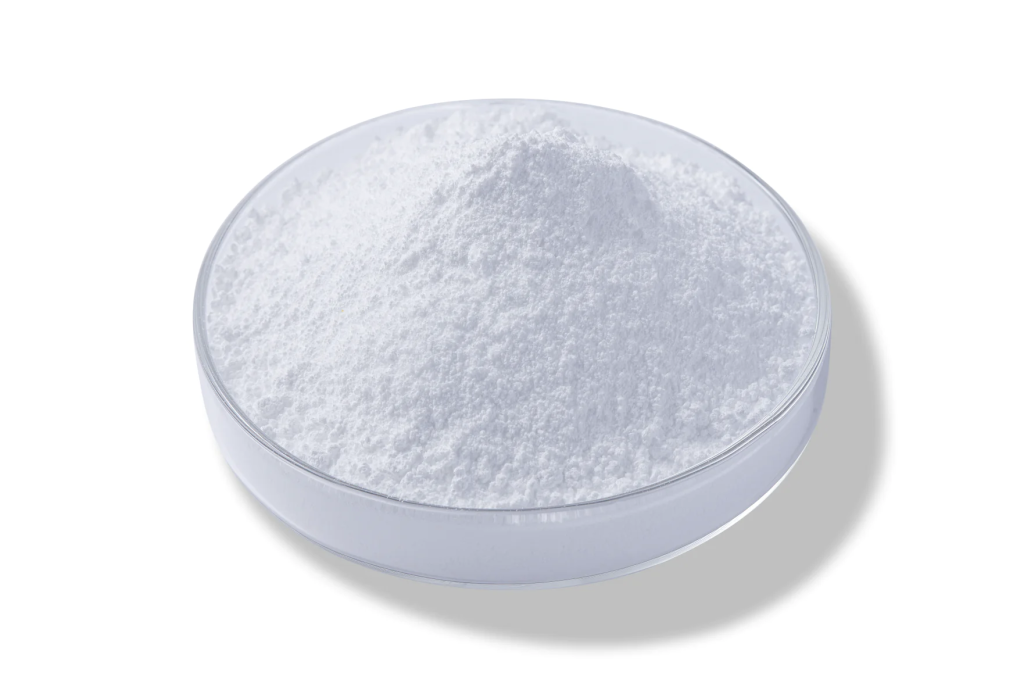
Silicon-based powders deliver narrow particle-size ranges. That matters: narrow size = consistent finish and predictable friction. Traditional alternatives often come with broader distributions and more batch-to-batch variation. Practically, that means fewer surprises in QC and fewer rejects. If your product needs a smooth surface or controlled mattness, silicon-based materials tend to hit the spec faster. If you need aggressive, low-cost abrasion for bulk removal, carbonate-based fillers still make sense.
Manufacturing and cost trade-offs
Silicon inputs usually cost more per kilogram than plain mineral fillers, but they can cut downstream costs. You get less waste, steadier process windows, and fewer complaints about inconsistent surface feels. Traditional materials win on upfront price and are forgiving in low-precision processes. Choose silicon when tight tolerances or brand reputation demand consistency; choose cheaper alternatives when margins are razor-thin and finish tolerances are wide.
Health, safety and environmental considerations
Not all silica is the same and regulatory scrutiny varies by application. Particle morphology and surface treatment change inhalation behavior and bio-persistence, so handle powders with proper controls. Traditional minerals can be benign in some contexts but bring their own supply-chain variability and impurity profiles. For oral care and other consumer-facing products, silicas that meet purity and abrasivity specs reduce the risk of quality recalls.
Use cases: pick-by-intent
Use silicon-based materials when you need: precise polishing, stable rheology in suspensions, or predictable optical scattering. Use traditional alternatives when cost dominates and surface micro-finish isn’t a selling point. For hybrid approaches, blend a small fraction of high-grade silicon powder with cheap fillers to get predictable finishes while keeping cost manageable.
Common mistakes designers make
Thinking price per kilo tells the whole story. Ignoring particle distribution and surface chemistry. Assuming a supplier’s datasheet equals performance on your line. Don’t skimp on pilot runs: a lab mix that looks fine in grams may behave very differently at pilot or production throughput. And don’t assume all silicas behave identically—surface treatment, porosity, and particle shape matter.

Experience-backed insight and a real-world anchor
I’ve worked with formulation teams in both consumer goods and industrial finishing; the labs that scored lowest on rework time standardized on controlled silica grades. The American Dental Association’s RDA discussions are a useful reference when assessing abrasive impact on enamel and dentin, and they underscore why ingredient selection matters for oral products. For applications in toothpastes and polishing pastes, consider published abrasivity data alongside product-grade specifications — and review trusted suppliers of oral care silica when you need reproducible cleanability and safe RDA numbers.
Alternatives evaluated briefly
Calcium carbonate: cheap, coarse, good for bulk removal, poor for fine finishes. Hydrated silica (traditional form): widely used in cosmetics and cleaning, variable depending on processing. Glass beads or ceramic fillers: great for mechanical strength and precise finishes but pricier and heavier. Choose by end-function: abrasion profile, cost-per-part, and regulatory fit.
Wrapping up with practical direction
Don’t buy materials on price alone. Define the finish and performance you need, run pilot batches, measure abrasivity and particle distribution, then pick the material that minimizes rework and customer complaints. For teams that need consistent, well-characterized silicon-based powders that behave predictably in finishing and oral formulations, there’s real value in sourcing from established specialists such as JSJ Silica, which makes it easier to align lab data with production outcomes.

