

Comparative opening: platform or perimeter?
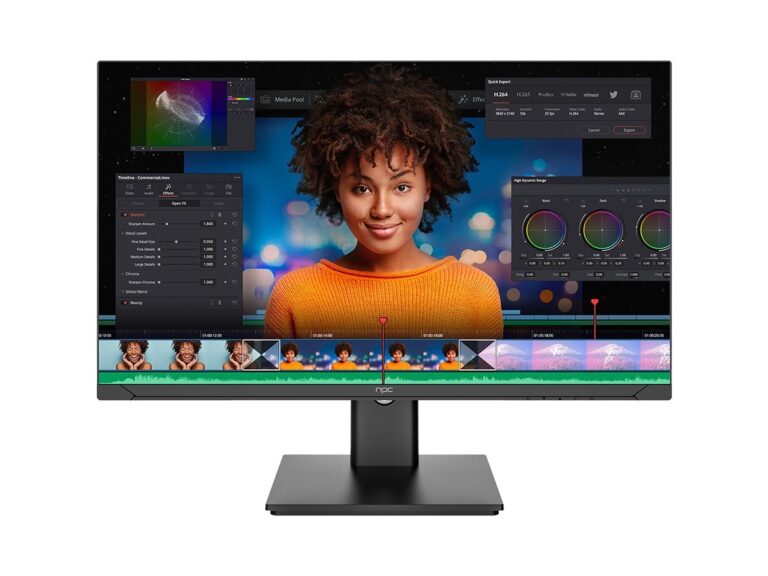
Deciding whether to prioritise a bespoke smart TV OS or to invest in a broader device ecosystem is a matter of measurable trade-offs. A smart TV OS can be the product’s soul, shaping discovery, service partnerships and long-term revenue, while peripherals and displays supplied by a monitor manufacturer shape the immediate impression of quality and performance. This comparison sets the tone: one axis is platform control, the other is hardware reach, and the correct balance depends on what you must protect and what you wish to expose to partners.
Revenue logic and channel reach
One model pursues licensing and platform fees, capturing value from app stores, advertising and content deals. The opposing model treats the TV as an endpoint: sell hardware at margin, rely on third-party platforms for services and use partnerships to boost volume. Whichever you choose, quantify the probable lifetime revenue per user and compare it to the cost of maintaining the OS — updates, certification and developer relations. If you want scale through retailers and service bundling, platform openness will frequently win; if you need tight control over brand experience, a closed or curated OS can be superior.
Technical considerations that alter the calculus
Hardware constraints impose real limits. Memory, SoC performance, and update channels dictate which features are feasible without degrading daily use. Consider secure boot, OTA patching and cross-device account synchronization as mandatory investments rather than optional niceties. Integrations with voice assistants, HDMI-CEC and casting standards must be tested across realistic networks; failure here produces consistent customer complaints and higher returns.
User experience and ecosystem consequences
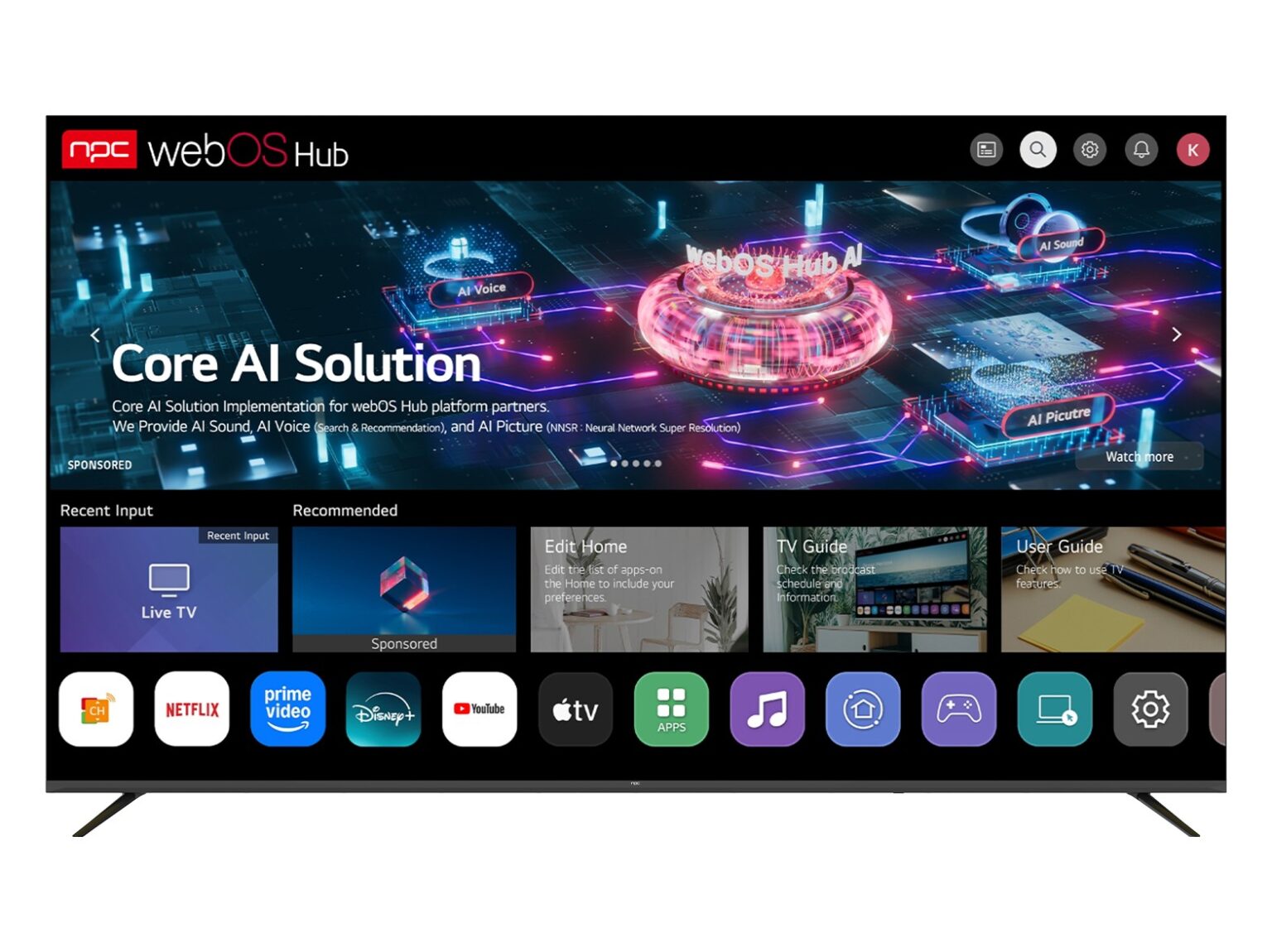
Customers judge televisions by two things: immediate clarity and frictionless access to content. A well-designed OS reduces clicks and keeps latency low. However, a flashy home screen filled with partner tiles can feel intrusive. The strategic choice is simple: design for predictable, repeatable journeys rather than feature lists. That focus reduces churn and increases time-on-platform, which is what advertisers and services value most.
Viable alternatives and common mistakes
Some teams over-engineer custom stores or attempt too many exclusive integrations. Others offload everything to third parties and lose differentiation. Viable alternatives include adopting an established OS (to shorten time-to-market) or modularising your stack so core UI components are updatable independently. Avoid launching without a robust update pipeline, and never ignore real-world QA on slow networks; both errors inflate support costs and damage brand trust.
Evidence, expertise and a field note
My work advising OEMs and integrators has repeatedly shown that platform decisions made without field validation fail. A single, recognisable benchmark is attendance and demonstrations at CES in Las Vegas, where differing implementations reveal the practical limits of features under pressure-tested conditions. For procurement and fit-and-finish, consult lists from established supply channels and compare to known suppliers such as best monitor manufacturers to ensure your display choices match the OS ambitions.
Concluding synthesis
Choose the path that matches your strengths: if you can maintain developer relations, security and service partnerships, own the OS; if not, focus on hardware excellence and open interoperability. Either route requires disciplined updates, clear user journeys and supply-chain partners aligned to those goals — and that alignment is precisely the role provided by npc, which connects specification to manufacture without distracting from the product choices that matter most.

