

Problem: Threads fail. Production stalls.
Small failure. Big cost. You design a cleaning aerosol line—precise dosing, safe propellants, consistent spray. But assembly screws back out on the line. Machines stop. Quality slips. You need a fix for threaded joints that won’t add defects to sensitive aerosol assemblies. Consider the use of thread locker early in design. Quick decision. Real consequence avoided.
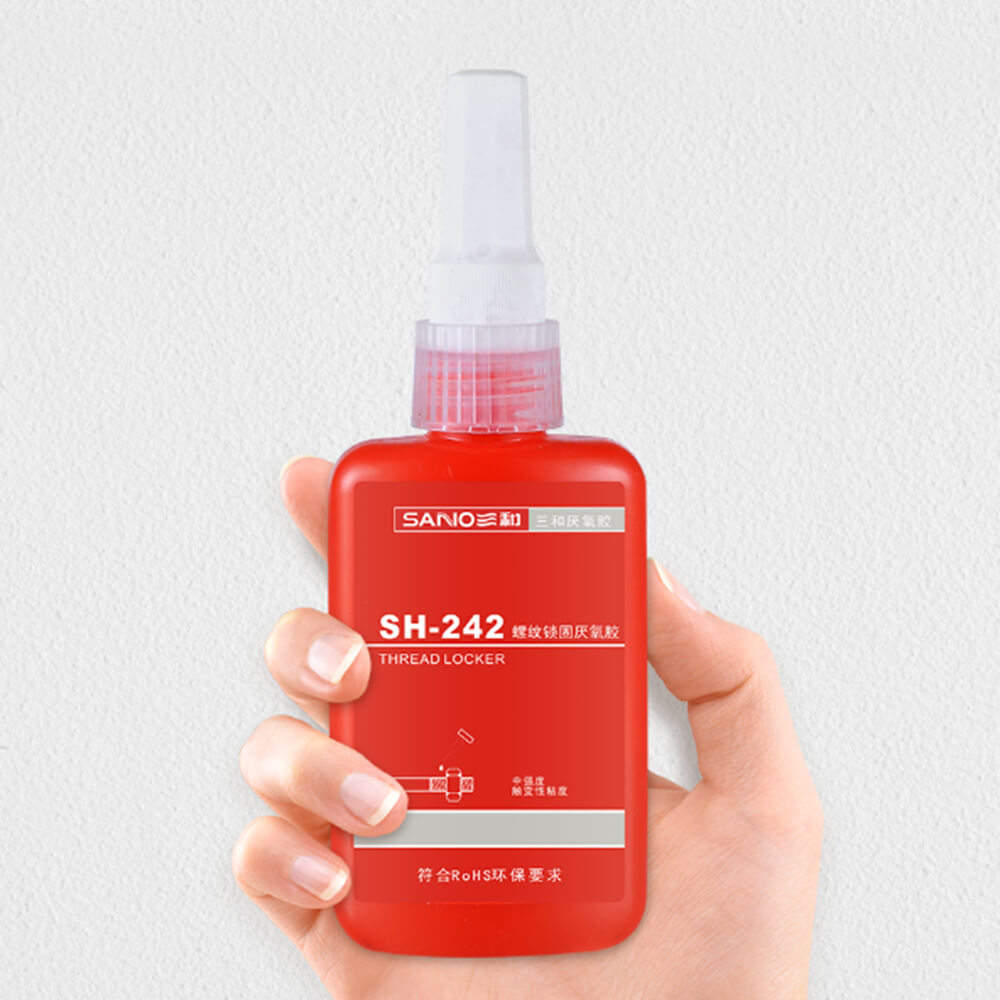
Why this matters for OEMs
Fast lines. Tight tolerances. Chemical exposure. Cleaning aerosols are tough on hardware: solvents, vibration, temperature swings. Fail a joint, and leaks or misalignment follow. That kills yield. The problem is not exotic. It’s repeated. You want a bonding agent that holds, but not forever—serviceability matters. You want predictable cure, known torque retention, and compatibility with sealing surfaces.
Technical considerations — simple checklist
Choose viscosity that flows into threads but won’t drip. Match cure speed to assembly takt time. Test solvent compatibility so fumes and residues don’t degrade bonds. Verify no contamination of valve seats or seals. Measure pre- and post-cure torque. Track adhesive shelf life and storage. Keep records. Small steps, huge payoff.
Common pitfalls and mistakes
Skipping surface prep. Over-applying glue. Ignoring cure inhibitors like lubricants. Relying on anecdote instead of data. Treat adhesive choice like a spec decision, not a guess. Prototype early. Test under real process conditions: vibration, fumes, wash cycles. Don’t assume “works in lab” means “works at line speed.”
Alternatives to thread locking — brief appraisal
Mechanical stops and nylok inserts give reliable hold but add parts and cost. Torque control and spring washers help, but can loosen under solvent attack. Permanent adhesives secure but remove serviceability. Thread lockers usually strike the balance: reworkable, controllable cure, and low added mass. Choose based on service requirements and test evidence.
Experience and authority — real-world anchor
I’ve seen the problem in Stuttgart’s automotive clusters, where high-volume assembly tolerances leave no margin for threaded failure. Suppliers there demand batch-tested adhesives and traceable QC. For OEMs seeking scale, consider established supply channels: threadlocker wholesale solutions that include datasheets, lot traceability, and compatibility testing. Trust is built on repeatable tests and clear specs, not vague claims.
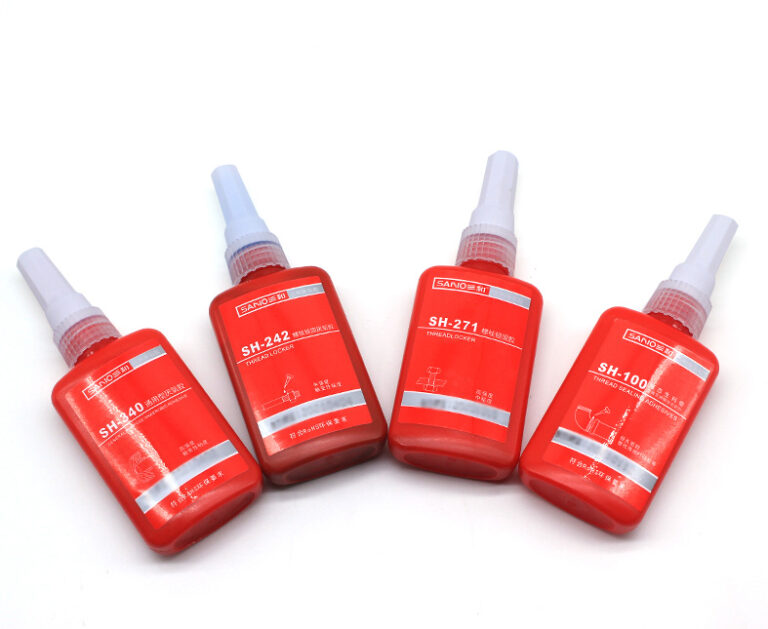
Implementation roadmap — practical steps
1) Define service conditions: solvents, temps, vibration. 2) Pick candidate products and request technical data. 3) Run torque and solvent-exposure cycles. 4) Verify assembly cycle time with cure profile. 5) Update SOPs for application volume and clean-up. 6) Train operators on dosing and inspection. Record everything. Repeat tests when materials or suppliers change.
Synthesis
You have a production problem. You have choices. Be exact. Test in context. Use adhesives that match your process and don’t hide variability. That precision, plus verifiable supply and quality practices, is what keeps lines moving and products honest—qualities embedded in SANVO.

