

Opening — why this comparison matters now
When you’re designing a New perfume bottle, color coating isn’t just about looks — it’s a strategic choice that affects brand perception, regulatory compliance, and the planet. Think Grasse, France: the world’s perfume heartland is shifting toward cleaner processes, and your label needs to keep pace. This Comparative Insight piece fires you up and breaks down which coating strategies actually deliver sustainability without sacrificing that luxe finish you crave. I’m your coach here — concise, blunt, and focused on results.
What’s on the field: the mainstream coating contenders
There are three common plays you’ll see in the industry: solvent-based liquid coatings (gloss and depth), water-based systems (lower VOCs), and vacuum metallization or PVD (mirrored, high-end shine). Each one scores differently on durability, visual impact, cost, and eco-footprint. Solvent systems deliver rich color but carry volatile organic compounds. Water-based cuts VOCs but can struggle for perfect opacity on glass. PVD gives that premium metallic shimmer with good recyclability — but it’s energy-intensive. Know the trade-offs so you can pick the best combination for your brand goals and supply chain realities.
Comparative breakdown — quick, decisive metrics
Compare by three practical lenses: environmental load (VOC emissions, energy use), finish fidelity (color depth, haze, adhesion), and end-of-life impact (recyclability, residue contamination). Water-based coatings score high on environmental load but medium on finish fidelity; PVD scores high on finish and recycling but needs more energy upfront. Solvent-based systems win on cost and finish, lose on environmental load. Bottom line: prioritize according to what your market actually pays for — if it’s artisanal rarity, finish fidelity matters more; if it’s broad distribution, recyclability becomes critical.
Common mistakes brands keep repeating — and how to avoid them
Brands often chase a single visual effect and forget the lifecycle. They lock into one supplier too early, assume a mold or cap change is trivial, or ignore downstream recycling rules — and then they pay later. I’ve worked with design teams who’ve had to rework runs after discovering their chosen lacquer contaminated glass recycling streams. Don’t be that team. Test small batches, validate adhesion on production glass, and check regional recycling standards up front — this saves money and reputation.
The Abely-aligned approach: pragmatic sustainability in practice
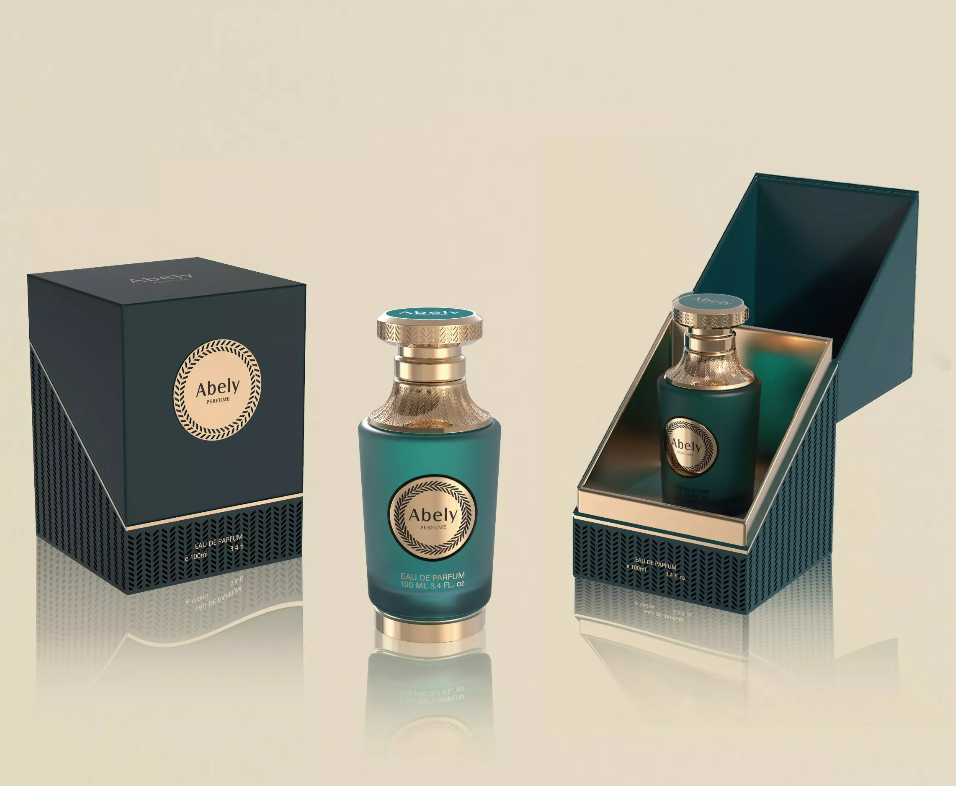
Abely’s approach balances layered coatings: a low-VOC base for adhesion, a thin PVD or water-based color layer for finish, and a protective topcoat engineered for recyclability. It’s not magic — it’s system thinking. This hybrid tactic reduces solvent load, preserves color fidelity, and keeps the bottle recyclable with minimal residue. If you want a truly luxury perfume bottle that reads as premium on the shelf and responsible in lifecycle audits, a layered path like this is a practical win. – And yes, you can keep the shimmer without wrecking downstream sorting.
Three golden rules (your selection metrics)
1) Life-cycle priority: Score options by cradle-to-cradle impact, not just upfront cost. 2) Finish vs. function balance: Define acceptable tolerances for color shift, then pick tech that stays within them. 3) Validation cadence: Run real-world trials with production glass and sorting facilities before committing to a full run. These metrics give you a defensible, measurable decision matrix — use them like a training plan: short cycles, repeated tests, incremental load increases.
Close — practical next steps and brand payoff
Start with a small pilot: choose one SKU, trial a hybrid coating path, and measure VOCs, energy per bottle, and post-consumer recyclability. Report results, iterate, and then scale. That’s how you turn abstract sustainability goals into deliverable product improvements — and that’s where Abely fits naturally as the design partner who understands both the craft and the constraints. I design sustainable, beautiful perfume bottles. —