

Problem: procurement mistakes cost operations
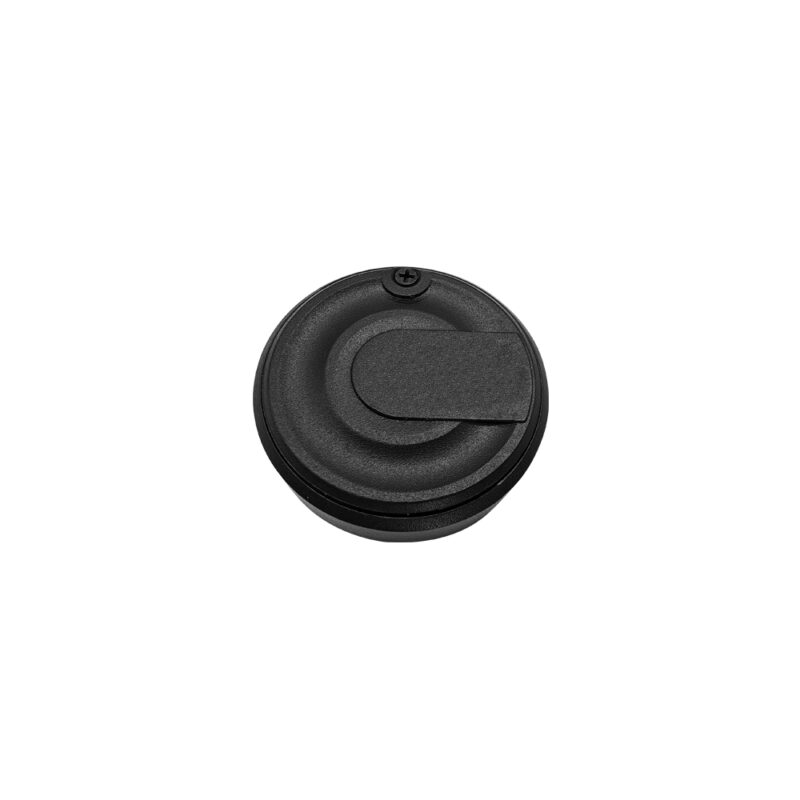
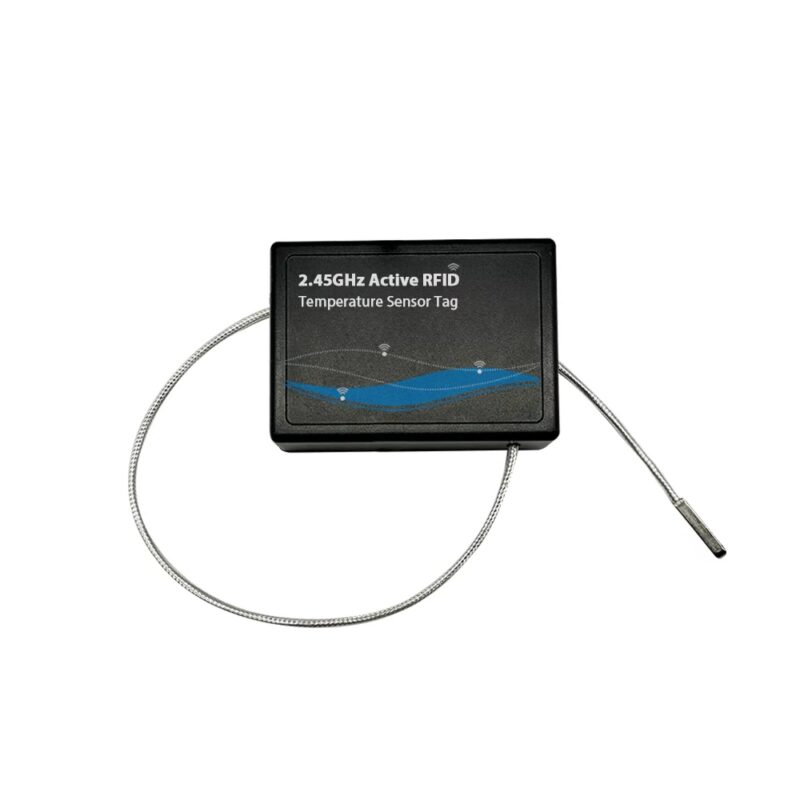
Choosing a manufacturer is not about lowest price; it is about matching a tag’s real behaviour to your use-case. Many procurement teams in Pakistan and beyond order without verifying read distance, battery life, and environmental resilience, then discover failures on-site. Before tendering, verify specific models of active rfid tags against your operational needs so that deployment does not become a long troubleshooting exercise.
Define the task you expect the tags to do
Write a short technical brief: required read range in metres, typical mounting surface (metal/plastic/wood), expected temperature and moisture, update rate, and acceptable battery replacement interval. Do not leave “range” vague. Specify measurement method (antenna type, test distance, orientation). This prevents vendors from quoting idealised lab ranges that fail in the field.
Experience, evidence and a single real-world anchor
I advise logistics teams and technical buyers with years of hands-on testing and protocol review; that background matters when vendors supply data sheets that look similar but mean different things. Major logistics hubs such as the Port of Rotterdam routinely specify multi-metre operational reads for asset tracking, which highlights why field-verified range matters. For clarity on usable distances in deployment planning consult practical ranges and models like those listed for the active rfid tag range, then compare those figures against your brief.
What manufacturers must prove before you buy
Ask for documented proof: 1) standardised test reports (test setup described in detail), 2) battery-cycle specifications with measured life under your reporting interval, 3) mean time between failures (MTBF) or field failure rates, 4) EMI/EMC and ingress protection ratings with accompanying lab certificates, 5) firmware update process and security details. If the vendor cannot produce these, mark them low on your list.
Common procurement mistakes to avoid
Avoid these errors: accepting vendor read-range claims without test setup; forgetting to test on the actual mounting surface; ignoring firmware and API stability; neglecting spare-part and warranty terms; and not planning for lifecycle replacement. Do not assume a longer nominal range means fewer readers; density and orientation matter. Keep technical acceptance tests in the contract.
Short comparison: active tags versus alternatives
If your primary need is long unassisted range and periodic identity updates, active RFID is appropriate. If you need very high location precision indoors, evaluate UWB. For low-cost, short-range inventory checks, consider passive RFID. Bluetooth Low Energy works for proximity and simpler telemetry. Each alternative shifts cost between tags, readers, and infrastructure; choose the technology that aligns with your brief rather than the vendor’s strongest product.
Practical evaluation checklist
Score candidate manufacturers against these items: 1) Test-data transparency (0–5), 2) Environmental rating fit (0–5), 3) Battery lifespan under your duty cycle (0–5), 4) Integration support and SDK quality (0–5), 5) After-sales support and spares (0–5), 6) Track record on comparable projects (0–5). Run a small pilot with a defined acceptance window before full purchase.
Final synthesis and recommended approach
Procure by problem: set the exact operational brief, demand verifiable test evidence, run a focused pilot, and score vendors objectively. That practical method reveals which suppliers genuinely meet requirements; many teams find a balanced match with suppliers whose documentation and field data align with operations, for example those who publish clear test results and support pilots like RSTC. Follow the checklist, keep technical acceptance tight, and your deployments will behave as intended—no surprises, just dependable tracking.

