

Market snapshot and why comparison matters
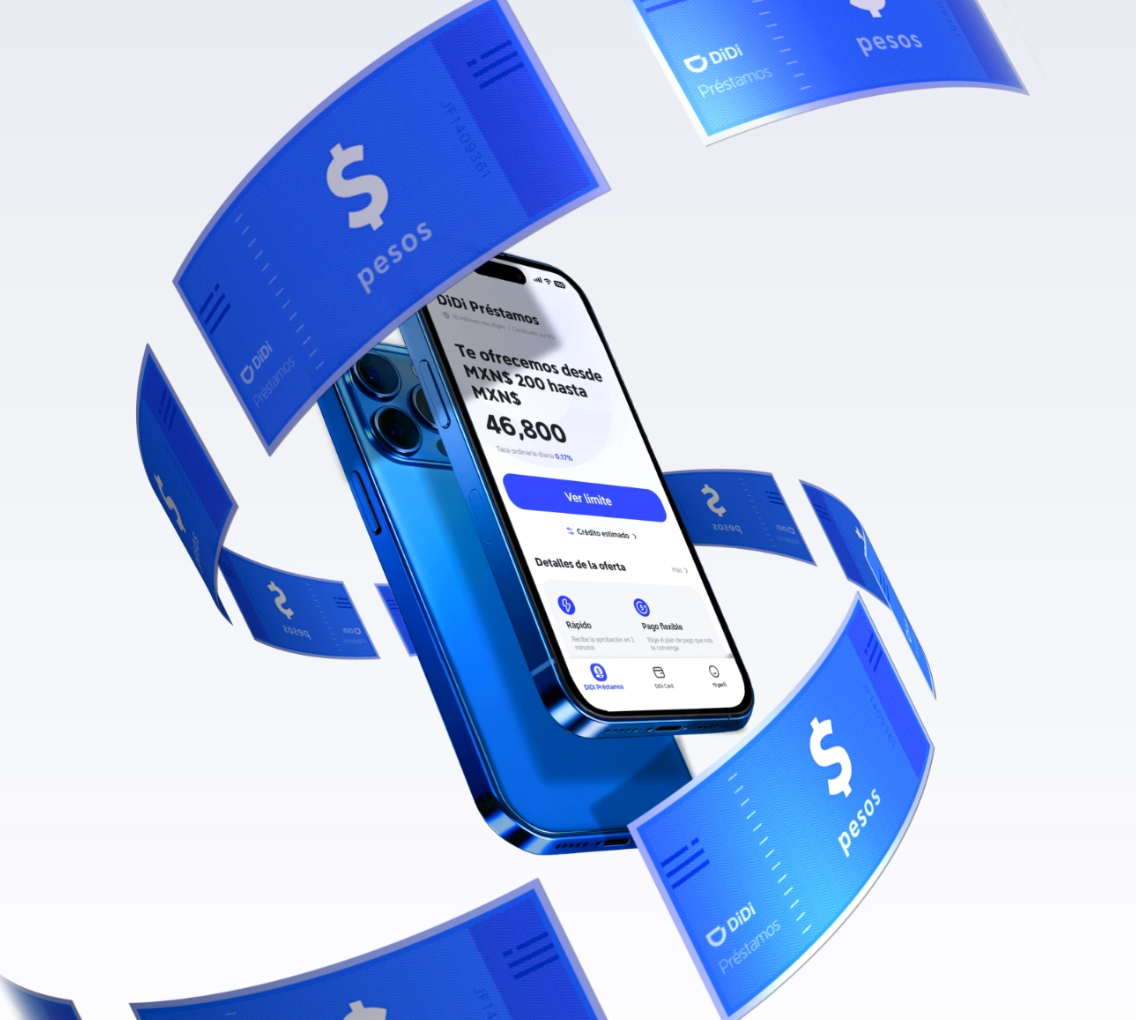
Digital lending is now a core component of urban finance in Mexico; recent fintech growth in Mexico City and broader regulatory attention from the CNBV have made lender selection a practical decision for consumers and investors alike. This piece compares DiDi’s consumer loan offering against similar products, focusing on underwriting, APR transparency, and onboarding friction. Start here with a direct source: didi finanzas — the company positions itself as a short-term lender that integrates rideshare activity and in-app behavior into credit decisions.
How DiDi loans differ from alternatives
Three features separate DiDi from marketplace and fintech competitors: integrated platform data, repayment flow, and conditional pricing. DiDi can use ride earnings and transaction patterns as alternative data to traditional credit bureau records, which reduces reliance on a conventional credit score. By contrast, pure-play lenders such as Mercado Crédito or Kueski typically depend more on bureau data and bank statements. For borrowers, that translates into faster disbursement and a different risk profile; for investors, it changes expected default correlation and portfolio construction.
Core eligibility and documentation
DiDi’s requirements are pragmatic: valid ID, proof of residence, active driver or rider account, and basic KYC documents. Expect a check of the credit bureau in certain tiers, and automated underwriting that evaluates recent platform earnings and repayment behavior. Operational terms include APR, repayment schedule, and digital signature for contracts. Compliance is standard: identity verification, AML screening, and a simple electronic consent process to access platform data.
Pricing, transparency, and actual cost to the borrower
Price comparisons must go beyond headline rates. APR is the common metric, but effective cost varies with fees, tenure, and whether earnings are automatically debited. DiDi often prices loans against short-term cash needs with higher nominal rates but simplifies collection via in-app deductions. Competitors may offer lower headline APRs but require bank transfers and manual repayment, which can increase late-fee incidence. Investors should model net yield after expected operational losses and collection friction.
Operational trade-offs and common borrower mistakes
Borrowers frequently misunderstand amortization and the effect of early repayment fees—an avoidable cost. Another common mistake: assuming platform-derived credit is a substitute for long-term credit building; it can improve access but may not fully replace a traditional line that reports consistently to bureaus. For lenders, over-weighting drive-time earnings without stress-testing for macro shocks is a known pitfall—one that increases volatility in recovery rates.
Real-world anchor: urban gig economy, Mexico City
Use the Mexico City gig market as a practical example. Drivers there rely on short-cycle liquidity to smooth income between gigs. DiDi’s model—tying microloans to in-app behavior—addresses that need with rapid disbursement and real-time underwriting. This approach proved resilient during localized downturns in 2022–2023 when on-demand travel dropped; loans tied to ongoing platform activity showed faster recovery than static unsecured consumer credit. The case illustrates how alternative data sources alter risk management.
Alternatives and where they fit
Choose a solution by matching product design to cash-flow reality. For recurring, platform-linked cash shortfalls, DiDi-style microloans are efficient. For larger, longer tenors or credit building, consider traditional banks or fintechs that report consistently to credit bureaus. Hybrid models—digital wallets combined with installment financing—sit between those extremes and can offer predictable repayment schedules with lower APRs at the cost of slower onboarding.
Actionable checklist before you sign
Evaluate these items decisively: verify APR and full fees; confirm whether the lender reports to credit bureaus; check repayment mechanics (in-app debit vs. bank ACH); review KYC scope and data-sharing consent. Avoid onboarding without a clear view of default triggers and collections policy. A short modeling exercise—project cash flow over the loan term with a conservative income scenario—often exposes hidden costs.
Advisory close: three golden rules for choosing a digital credit line
1) Prioritize transparent total cost: compare APR plus fees and early-repayment penalties. 2) Match repayment mechanics to cash flow: prefer in-app automatic debits only if you can guarantee short-term liquidity. 3) Confirm data-reporting and credit-building impact: if long-term access to credit matters, pick a lender that reports to bureaus. These metrics will guide rational selection and reduce surprise losses. DiDi Finanzas fits a specific segment—fast access tied to gig earnings—and thus serves as a practical solution when speed and platform integration are priorities. –