

Introduction — a shop morning, hard numbers, one blunt question
I remember standing in a small factory in Dongguan on a rainy Saturday morning, watching a print fail on layer 72 — and feeling that sting of wasted time and resin. In that same week our metrics showed a 14% scrap rate on parts produced with an industrial SLA 3d printer, and our lead times were slipping by three days on average. So how do you turn those numbers into steady output without chasing every shiny feature out there? (Yes, I still game late-night slicer settings — bad habit.)
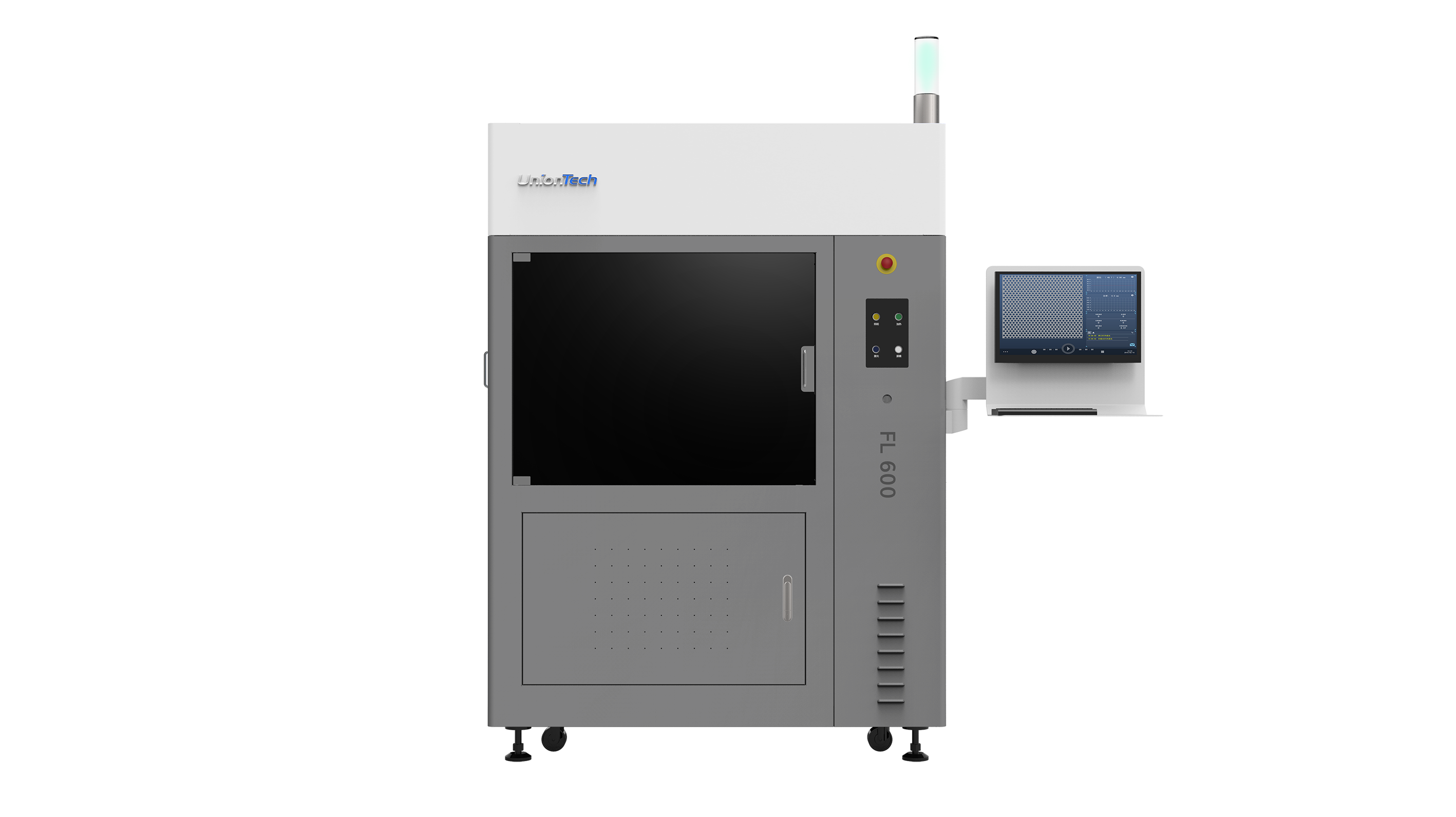
I’ve run procurement for B2B additive lines for over 15 years, and I say this plainly: the gear matters, but the workflow matters more. Early on, machines with poor thermal control or flaky build platforms ate throughput. Edge computing nodes, laser galvanometers, power converters — those are the real parts that fail silently. If you want predictable runs and fewer surprise jobs, you have to look at the whole chain. Next I’ll dig into where traditional setups actually break down and what pains hide beneath the surface.
Where common setups break — technical reality of large-format SLA
Let me be specific. When shops say they need a large format industrial 3d printer they often picture a bigger vat and that’s it. In reality, scaling increases stress on the laser galvanometer, the vat polymerization uniformity, and the build platform rigidity. I audited a 700×700×600 mm vat install in Shenzhen in June 2023; within 48 hours the part distortion rate climbed because the resonance in the build platform amplified minute inaccuracies. That cost one job 38 hours of rework — not a neat number on a spreadsheet.
Systems that assume the same post-curing oven or the same resin handling used for desktop printers are asking for trouble. Look, I learned this the hard way: resin viscosity and heat gradients behave differently at volume. You need matched components — robust power converters, reliable sensors, and firmware that treats the print as a factory operation, not a hobby project. Small fixes like switching to a thicker build plate or adding active thermal control cut our delamination events from weekly to nearly nil in one quarter — measurable, not abstract.
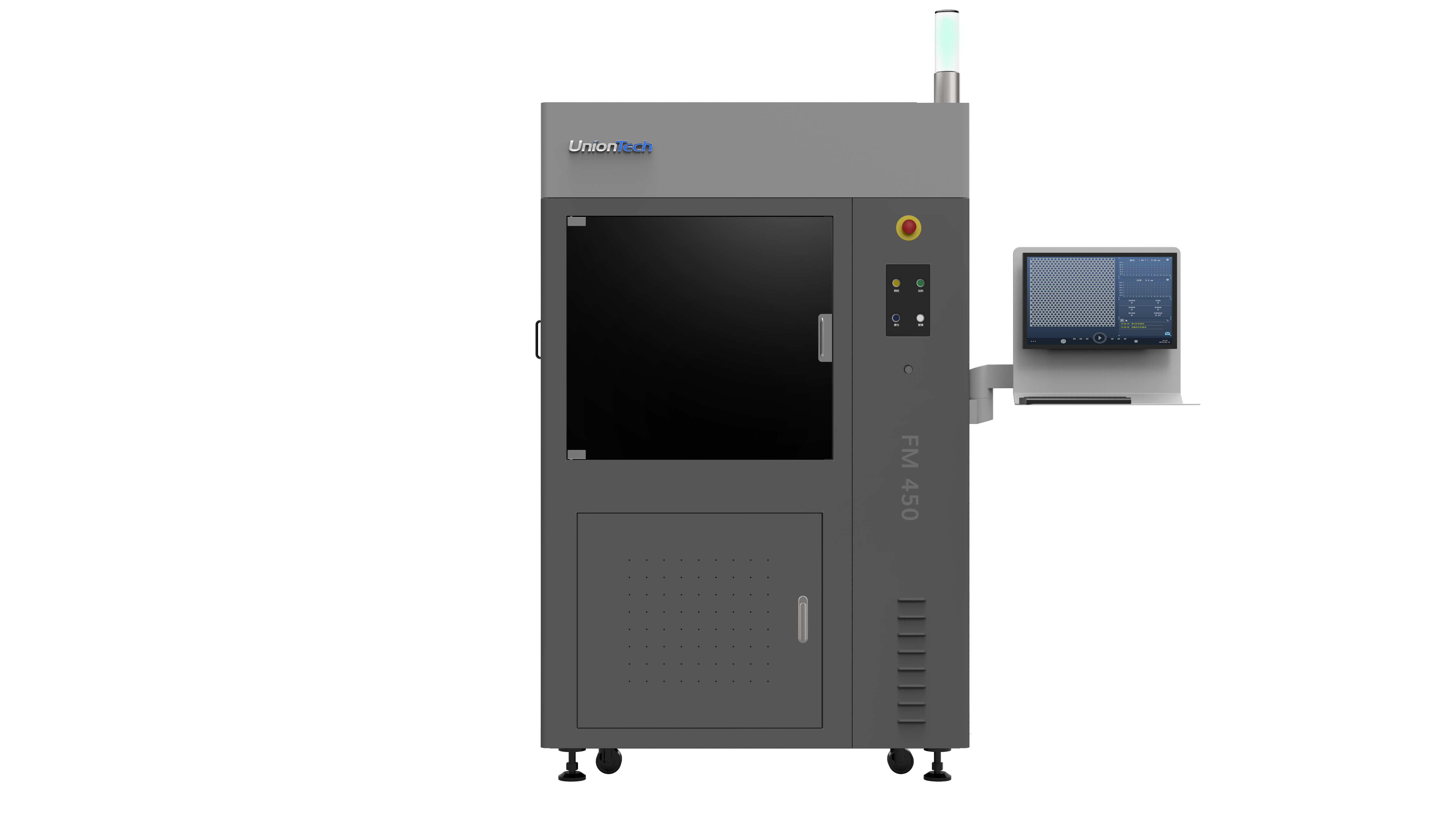
Why does that keep happening?
Part of it is human: teams buy on specs, not on failure modes. The other part is technical: scaling up introduces edge cases — uneven curing, peel stress, substrate waviness. If you ignore those, you pay later in scrap, machine downtime, and frantic weekend shifts.
Case example and what to watch for next
I’ll walk you through a real run. In March 2024 we swapped a midsize SLA bay for a clustered setup with two large vats and a centralized resin handling line. The first production run was 96 hours. We tracked energy use, print-time per part, and post-cure throughput. The result: throughput rose by 28%, but only after we tuned the laser path and added a small bank of post-curing ovens to match output. That tuning is the kind of thing spec sheets don’t tell you — you learn it on the floor, at 2 a.m., with resin on your hands.
For anyone shopping for a stereolithography 3d printer for sale, here’s what I now insist on testing before purchase: run a three-day continuous print with your nearest production-grade geometry; measure temperature drift, peel force spikes, and resin reuse limits. Those checks cost time but save weeks later. Also — odd but true — monitoring the shop’s ambient humidity and adding a simple dehumidifier removed a thin haze of micro-bubbles that had plagued one part family for months.
What to measure — three clear metrics
I recommend judging any supplier or machine with three practical metrics: 1) Consistent first-pass yield over a 72-hour continuous run; 2) Mean time between service events for key modules (laser head, galvanometer, power converter); 3) Time-to-finish including post-cure and minimal handling. Those metrics tell you if a printer will survive real production, not just one-off demos.
In my work with mid-sized manufacturers in Guangdong and a distribution client in Ohio, machines that cleared those tests cut rework by about 60% and reduced overtime by nearly half in the first quarter after adoption. That’s concrete. I’m not selling a miracle — I’m sharing what actually worked on the floor. For vendors I trust, UnionTech has been part of that story because their machines matched the production checks we ran. See UnionTech for reference: UnionTech.