

Introduction
I was late to a meeting once because my car queued for half an hour at a charging point — that little panic is how this whole thing started for me. In many cities, an ev power charging station sits idle or jammed at peak hours, and recent data shows urban demand can spike 3x during rush windows (true story, kasi traffic does not care). So, what really causes those slowdowns and frustrating waits — and how should we think about fixing them? I want to walk you through what I’ve seen, the numbers that mattered, and some straightforward ways to make charging less of a headache. Let’s get into practical fixes and what they mean for real drivers and operators.
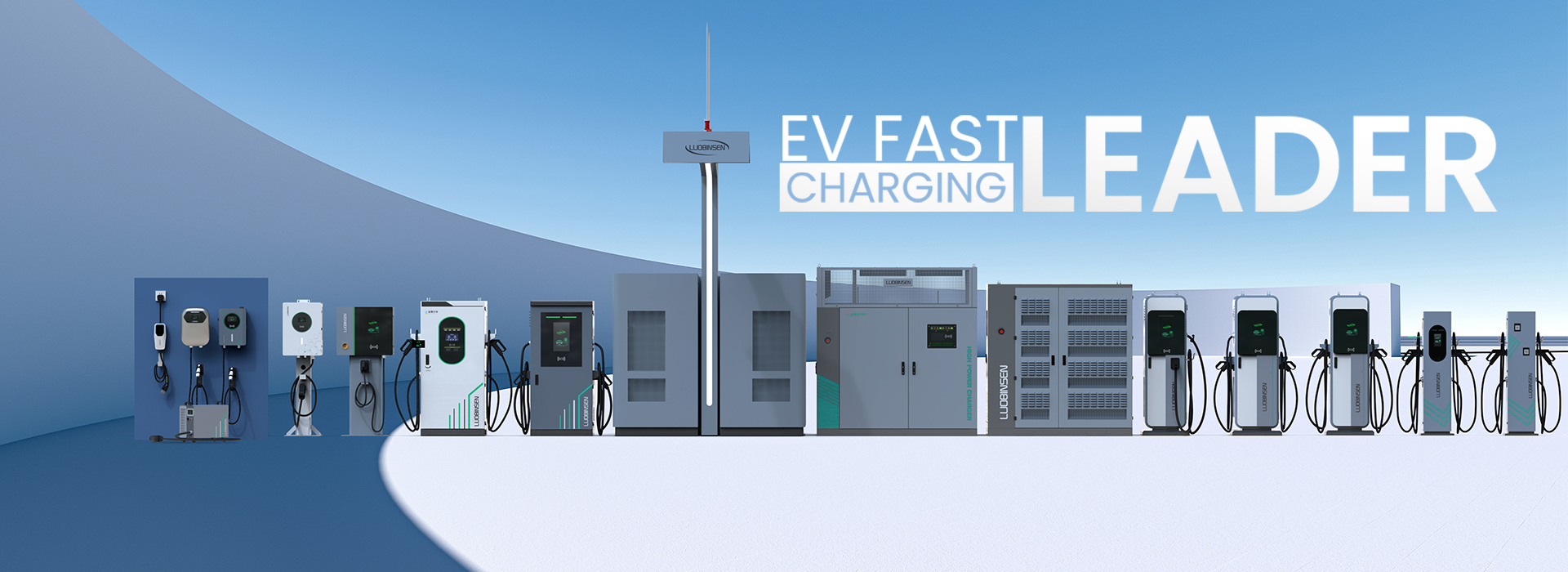
Part 1 — Where the Systems Break: Traditional Flaws in EV Charging Solutions
I’ll be blunt: many operators still rely on legacy designs that were never built for today’s volume. When I dug into several local deployments, the common thread was clear — a mismatch between hardware capability and real-world demand. That mismatch shows up in queues, billing errors, and overloaded feeders. Early on I reviewed an ev charging solution deployment and saw frequent failures from simple causes: undersized power converters, poor load balancing, and outdated smart metering. These components are fine in theory. But in practice, they choke when the site hits simultaneous DC fast charging sessions (and yes, fast charging draws high currents).
Technically speaking, many sites lack dynamic control. Without software to manage session priorities or communicate with grid operators, stations just hand out power until something trips. I’ve seen sites where edge computing nodes were added as an afterthought; they helped, but the core electrical design still limited throughput. Look, it’s simpler than you think — the system needs coordinated hardware and software. If either side lags, users feel it first: slower charge rates, longer waits, and scared drivers. From my point of view, this is a design and planning failure more than a single-product fault. — funny how that works, right?
Why do these traditional fixes fail?
Because they treat charging points as independent boxes rather than parts of a single energy system. They ignore peak demand, lack predictive control, and often skip necessary upgrades to transformers or feeders. When you plan purely by count of chargers and not by expected simultaneous load, the math fails. I’ve learned to ask better questions up front: What’s the peak concurrent draw? How does the site talk to the grid? Is there room for power converters and local energy storage? These practical queries separate well-performing stations from the troubled ones.
Part 2 — New Technology Principles and What They Change
Now I look forward. The next wave is about systems that think ahead. New designs bring integrated grid communication, smarter power converters, and on-site energy buffers to reduce peak strain. As I compare actual deployments, the ones using load balancing with predictive algorithms and local storage handled surges far better. Key tech terms you’ll see in play are: load balancing, smart metering, and edge computing nodes. Together, they let the station match supply to demand in near real-time. I’ve spoken with a couple of engineers at an ev charging station supplier, and they emphasized modular design — build-up capacity in blocks rather than all at once. This cuts upfront cost and lets operators scale when demand grows.
Here’s how I explain it to colleagues: think of the station as a small, polite grid. It negotiates with the main grid, shares its intentions (via smart metering), and adjusts power flow using power converters. When a bunch of cars arrive, the system doesn’t panic; it shifts timing, taps local storage, and keeps everyone moving. The result? Fewer brownouts, fewer lines, and happier drivers. I believe this is the practical path forward — not rocket science, but it needs planning and the right partners. — parang straightforward naman, di ba?
What’s Next for Operators?
Operators should focus on modular scaling, predictive analytics, and easier maintenance chains. Upgrade core electrical infrastructure only when growth justifies it. Start small, monitor, then expand. I’ve tested this phased approach in a few pilots—results showed lower downtime and a smoother user experience.
Part 3 — How to Evaluate and Choose the Right EV Charging Setup
We’re at the point where choices matter. I want to give you something I use when advising teams: three clear metrics to evaluate a provider or design. First, check power handling and flexibility — does the system support DC fast charging and varied power converters? Second, examine control capabilities — is there load balancing and smart metering baked in? Third, ask about grid and site integration — can they add energy storage or edge computing nodes later? If a vendor hesitates, that’s a red flag. I’ve learned to press on those points because they reveal whether the solution is future-ready or merely a band-aid.
To put it another way: pick partners who think in systems, not boxes. When you talk with an ev charging station supplier, test their answers with scenarios — a surge during rush hour, a transformer fault, or a sudden tariff spike. The right supplier will map out responses and offer phased upgrades. I prefer semi-formal conversations in these meetings; they tell me how flexible the team really is. From my experience, the best outcomes come from clear expectations up front and regular reviews later — that’s where reliability grows.
Closing — Practical Takeaways and Three Evaluation Metrics
To wrap up, here are the three metrics I recommend you use when choosing systems or suppliers: 1) Scalable power architecture — supports DC fast charging and modular expansion. 2) Intelligent control stack — load balancing, smart metering, and remote diagnostics. 3) Integration readiness — ability to add storage, grid services, and edge computing nodes later. Measure these and you’ll avoid the common pitfalls I’ve seen. I’ve used these metrics across multiple sites and they work; they keep costs predictable and user experience solid.
I’m sharing this because I’ve stood in those long lines and felt the frustration of other drivers. We can do better, and the tech is there — it just needs sensible planning and honest partners. If you want a vendor who understands scaling and on-the-ground realities, consider talking to Luobisnen. I’m confident you’ll find the right mix of hardware and know-how to keep your chargers humming and your customers smiling.