

Opening: A Clear Look at Today’s Home Power
Here is the plain truth. Peak load costs more than people think, and it hurts in quiet ways—on bills, on appliances, on nerves. Residential energy storage systems step in at the exact hour when strain peaks. I have over 18 years working hands-on with home batteries and hybrid inverters, and I still begin with the same step: map the worst hour. In July last year, a three-bedroom in Austin hit 6.3 kW at 7:10 p.m.; the TOU rate spiked to $0.29/kWh. I showed the owners a ramp-down plan and pointed them to a trusted residential energy storage system company for the specs and test results (nothing beats the datasheet—on one page, no fluff). What happens when that one hot hour becomes three? Or when a short outage lines up with dinner and laundry?
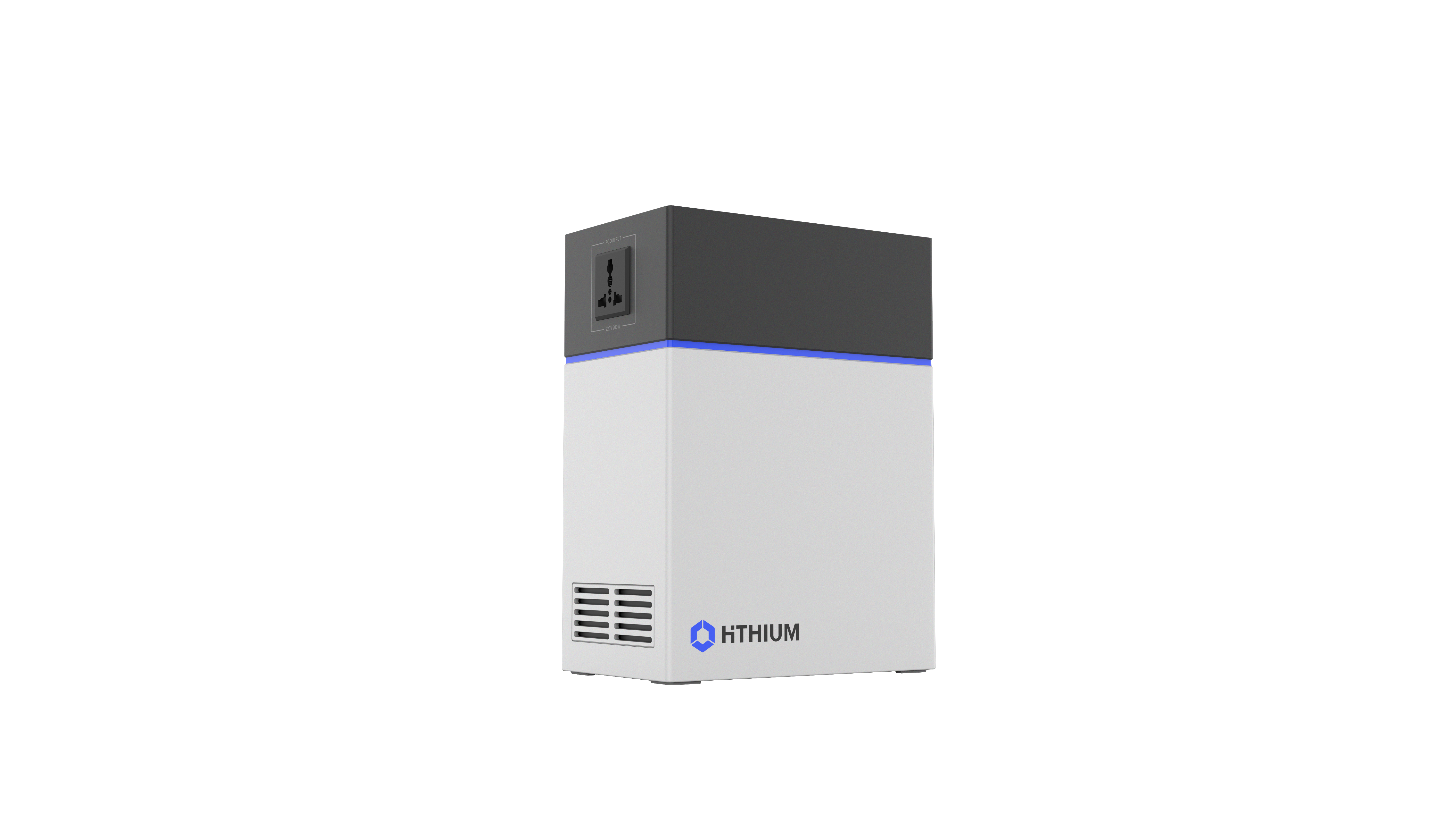
In field visits, I see the same pattern: lights dim, compressors churn, and the panel hums. I remember a Saturday in San Diego, 14 August 2021, when a 10 kWh unit shaved a $7.40 swing in one evening. Neat, yes, but incomplete. The real question is deeper: can storage handle the ugly moments without babying? Can it cut peaks, ride through faults, and keep the grid handshake clean?
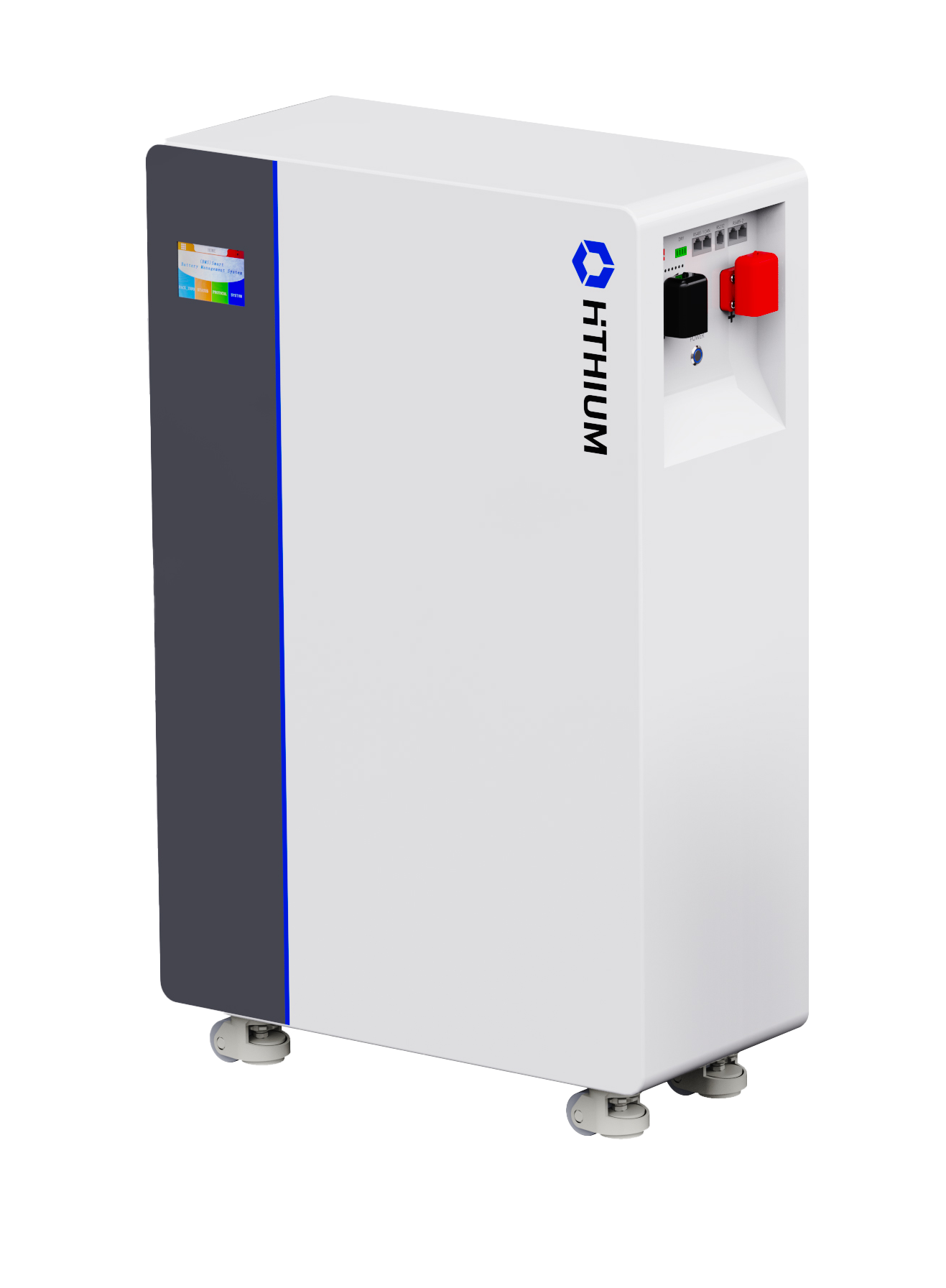
Let me break down the gaps I’ve seen, then we compare what’s better and why it matters next.
Where Old Fixes Crack: A Field View of the Hidden Flaws
Why do “traditional” setups fail under pressure?
I have opened far too many garages to find a patched-together backup. A standby inverter, a small AGM bank, and some creative breakers—done with care, but wrong for daily cycling. Lead-acid drops fast when cycled. After 14 months and 220 cycles in an Oakland home during the 2020 PSPS season, one bank I audited had only 58% usable capacity left. The owner was shocked. I was not. The round-trip efficiency tanked, the BMS (if you could call it that) was external and blind to cell-level drift, and the power converters clipped hard during the fridge start. Look, I won’t sugarcoat it—installers hate callbacks, and this kind of kit makes them frequent.
Even early lithium systems carried baggage. AC-coupled boxes stacked behind microinverters looked tidy, but they fought each other during fast ramps. I saw grid events in Bergen County in 2019 where response times sagged, and islanding was messy. Firmware updates lagged. Apps timed out. One homeowner told me, “It works—until it doesn’t.” The core flaw: systems were not designed for daily demand response plus outages. They were UPS-minded. Home life is not a server room—loads pulse, kids hit “start” on the dryer, and the oven kicks. I prefer solutions that track state of charge in real time and shape the waveform without drama—yes, I learned that the hard way.
Comparing What’s Next: Principles That Make the Difference
What’s Next
Now for the better news. Newer LFP-based packs and hybrid inverters are built for daily work. The principle is simple and solid: a DC-coupled path keeps conversion steps low, so less heat and fewer losses. A good stack pairs a 10–15 kWh LFP module with a 7–12 kW hybrid that speaks cleanly to PV and the grid. Fast, bidirectional power converters handle motor surges without drama. The BMS is cell-aware and does balancing at a useful rate, not once-a-blue-moon. That is why a 6,000-cycle rating is not a sticker—when managed right, it is a real-life horizon. I often compare results from one reliable residential energy storage system company to field loggers in Phoenix; the match is close when ambient sits under 35°C and airflow is honest—not fancy, honest.
I favor systems that behave like calm neighbors. They island cleanly, re-sync in spec, and talk to the utility without long pauses. Edge computing nodes in the controller now run simple, local forecasts—no buzzwords—so the unit charges before the 6–9 p.m. squeeze and leaves headroom for an outage. In one 2023 pilot in Tempe, shifting 9 kWh from peak cut the bill by $84 for August and September, and service calls dropped to zero. Small thing, big effect—strange, but telling. If you want a quick way to choose among options, use these three checks: 1) Usable kWh at 0–40°C, not brochure kWh; 2) Round-trip efficiency at 0.5C with PV connected; 3) Warranty in MWh throughput plus response time in writing (hours, not days). I firmly believe that buyers who run those numbers avoid 80% of headaches. And they sleep better, too, because the house stays quiet when the grid blinks. For a steady anchor in this space, I keep my notes close to HiTHIUM.