

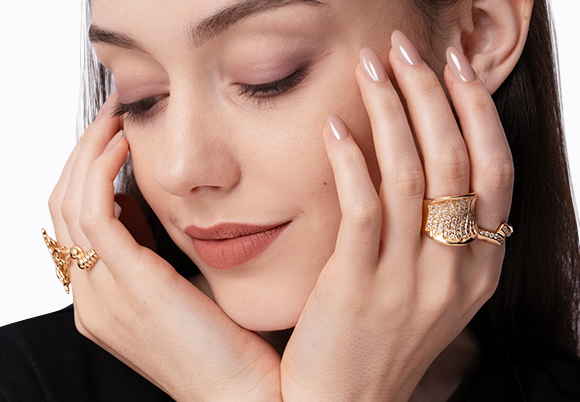
Street-Level Intro: Real Life, Real Shine
You’re stepping off the Q train, scrolling for gifts, and the algorithm keeps throwing “diamond sets” your way. Lab grown diamond jewelry is all over your feed, and it’s not by accident. Industry trackers show fast growth, clearer pricing, and less drama in the supply chain. But here’s the rub: are these sets actually built for how we live now—or just dressed-up versions of the old thing? In New York, we like things clean, reliable, and no time wasted (facts). HPHT and CVD aren’t just letters; they’re the lab engines making stones with stable color and repeatable clarity. Yet people still get stuck comparing pieces that don’t match, or paying for mystery fees—funny how that works, right?

So let’s line it up. What’s the real issue, what does the data hint at, and what would a smarter set look like on the daily? Keep that thought—we’re about to cut into it.
Sets, But Smarter: The Flaws Hiding in Plain Sight
Where does the old way break?
When you shop a diamond jewelry set, the promise is simple: every piece should feel like it belongs with the others. Technical truth: most shoppers still get uneven matching. Color looks off under D65 lighting, fluorescence can be inconsistent, and tiny shifts in girdle thickness change how light returns. Traditional sets often rely on hand-picking and notes, not tight tolerances. That means tolerance stack errors creep in across earring, pendant, and ring—small on paper, real on the ear. Look, it’s simpler than you think: a set is only as strong as the most visible mismatch.
The other snag is grading detail. A ring may tout 4C grading, but the pendant stone might skip full spectrometer data or omit cut symmetry reports. Result? You pay “set pricing” without a lab-level match. In lab-grown, a CVD reactor can produce batches with stable lattice structure, yet retailers can still mix-in stones from another run. It’s not a scandal; it’s process slop. And returns spike when home lighting exposes what showroom lights hid—real talk. The fix needs standards that go beyond certificates and cover batch lineage and piece-to-piece uniformity.
Next-Gen Build: Principles That Make Sets Actually Match
What’s Next
Coming off those pain points, the better path is technical and tight. Use batch-level controls from the CVD or HPHT growth stage, then lock stones by spectral profile, not just grade. That means same nitrogen-vacancy behavior, aligned fluorescence response, and near-identical light performance. Pair that with cut plans generated by optimization software (yes, CAD can target crown angle and pavilion depth within narrow bands), and you get a set that reads as one piece, even across three items. Add loupe inspection plus quick spectroscopy at QC—and you’re not guessing; you’re verifying.
On the ethics side, clarity matters, too. Options tagged as ethically sourced diamonds should carry traceability from seed to setting, with batch IDs and polishing shop logs. We’re not just flexing tech; we’re comparing results. Old way: “close enough” visual fit and fancy showroom lights. New way: measurable delta-E color targets, matched light return, documented origin. The outcome is a calmer buy and fewer returns. And the daily wear? It hits. You grab the earrings and pendant, they match under the bodega fluorescents and a sunset rooftop—no harsh surprises—funny how that works, right?

Before you choose, keep three metrics in your back pocket: 1) piece-to-piece color consistency tested under D65 and warm LED; 2) cut symmetry and polish grades aligned across the set, not just per item; 3) full traceability records that tie every stone to a batch, with growth method noted and QC checkpoints logged. Do that, and you’ll spend once, smile often. Knowledge shared, no hype—just better choices with Vivre Brilliance.