


Executive summary
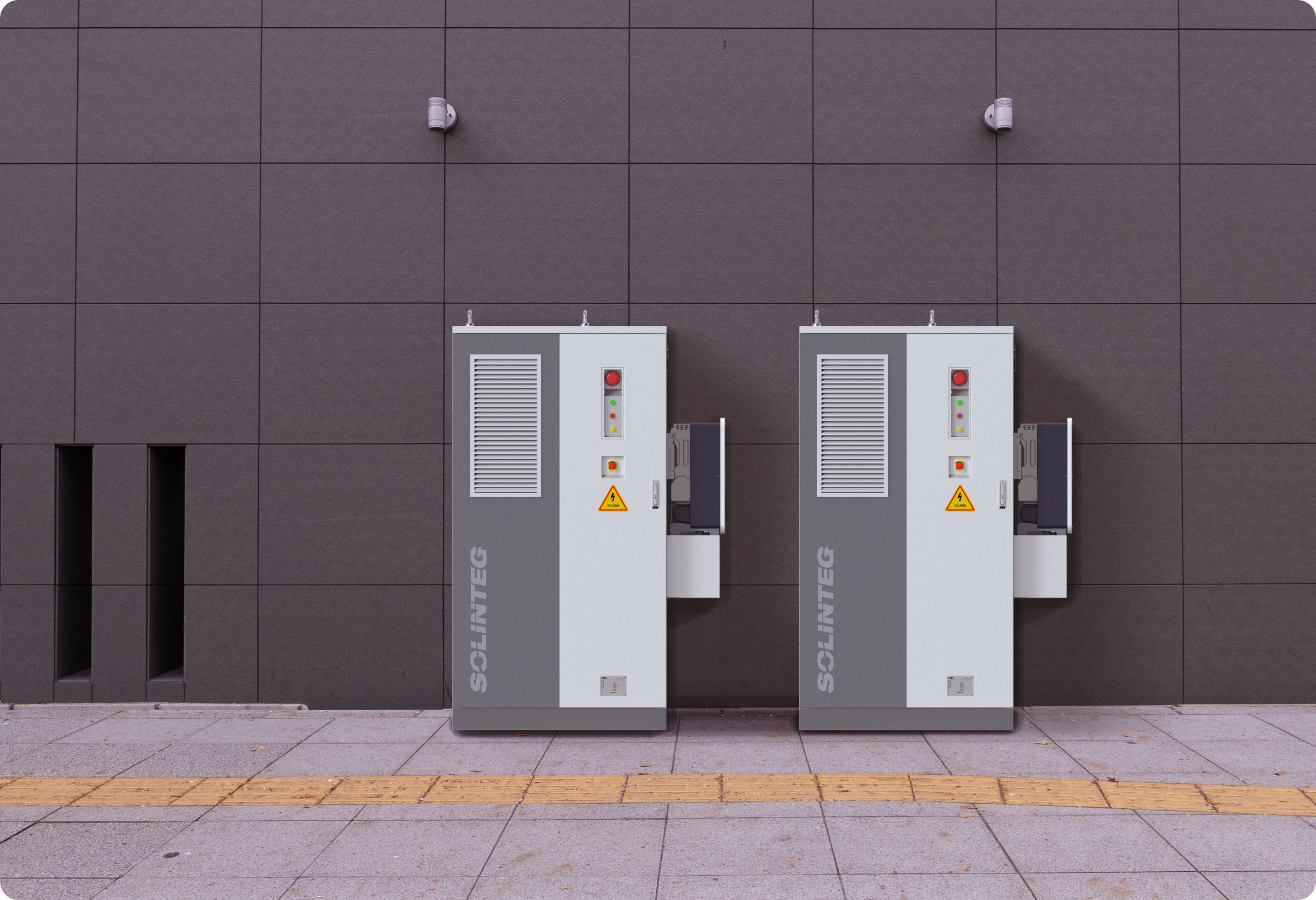
Hybrid inverter solar systems combine photovoltaic inverters and battery charging logic into a single platform, often simplifying installation and control compared with separate storage stacks. Early on, commercial projects favored commercial battery storage arrays and dedicated racks; today many installers choose hybrid solutions to reduce footprint and wiring. That said, if you need secure enclosure space or custom thermal management, a robust battery inverter cabinet remains highly relevant for long-duration or industrial applications.

How a hybrid inverter differs from standard alternatives
At the component level, a hybrid inverter integrates AC and DC energy flows and often includes a built-in charge controller and inverter in one unit. Traditional alternatives use discrete elements: separate inverter, battery bank, and a battery management system (BMS). Hybrid designs reduce point-to-point wiring and simplify commissioning, while discrete systems offer modularity and tailored thermal design. Expect differences in round-trip efficiency, expandability, and serviceability when comparing the two approaches.
Real-world anchor: what practitioners learned from grid-scale examples
Large projects such as the Hornsdale Power Reserve in South Australia demonstrated how storage can stabilize frequency and respond in milliseconds, setting practical expectations for response time and dispatch reliability. Field experience shows hybrid systems excel for distributed, behind-the-meter installations where inverter coordination matters. Utilities still prefer modular, rack-mounted battery arrays and dedicated BMS for multi-megawatt deployments because they simplify maintenance and large-scale control.
Advantages and practical trade-offs
Concrete factors to weigh:
– Simplicity: Hybrid inverters lower installation complexity and reduce the number of separate components, which cuts labour and commissioning time.
– Scalability: Standard storage alternatives with stackable modules win when you need to scale capacity beyond the inverter’s rated battery size.
– Serviceability: A discrete inverter plus battery bank eases component-level replacement; hybrids may require unit swap-outs if either inverter or BMS fails.
– Efficiency and control: Hybrid units often include smart algorithms but can limit advanced control modes available with separate power conversion systems and third-party energy management platforms.
Operational teardown: common mistakes and explicit checks
Installers commonly underestimate thermal management and mis-spec depth of discharge (DoD) requirements. During a field teardown, verify cable sizing, inverter firmware versions, and that the BMS enforces cell balancing and safe charging windows. Documented steps should include measuring kWh throughput, checking round-trip efficiency under typical load, and validating emergency export limits. For clarity in team handovers, include an explicit line like: in the operational production teardown we examine {main_keyword} and {variation_keyword} to ensure traceability across suppliers.
Technical considerations to prioritize
Prioritise these items when comparing systems: inverter rated continuous power, BMS interoperability, DC-coupled versus AC-coupled topology implications, and enclosure thermal ratings. Also record expected lifecycle throughput and warranty terms tied to cycle count. Small field crews often overlook firmware interoperability for grid-tied features; this can lead to rework during final commissioning—plan firmware validation as part of acceptance testing.
Advisory: three golden rules for selection
1) Match capacity and power to the mission: choose kWh for duration and inverter kW for peak demand. Ensure the selected system supports expected peak discharge without hitting inverter clipping.
2) Verify lifecycle economics with realistic DoD and round-trip efficiency assumptions: model degradation across expected cycles, not only initial specifications.
3) Confirm service and enclosure needs: if site access is constrained or ambient temperatures exceed spec, prefer a solution with a certified cabinet and clear BMS diagnostics.
The practical outcome is clear: hybrid inverter systems simplify many residential and small commercial installs, while conventional, modular storage remains the choice for large-scale, serviceable deployments—SOLINTEG integrates both mindfully and technically. –

