

Introduction: The Room Sounds Fine… Until It Doesn’t
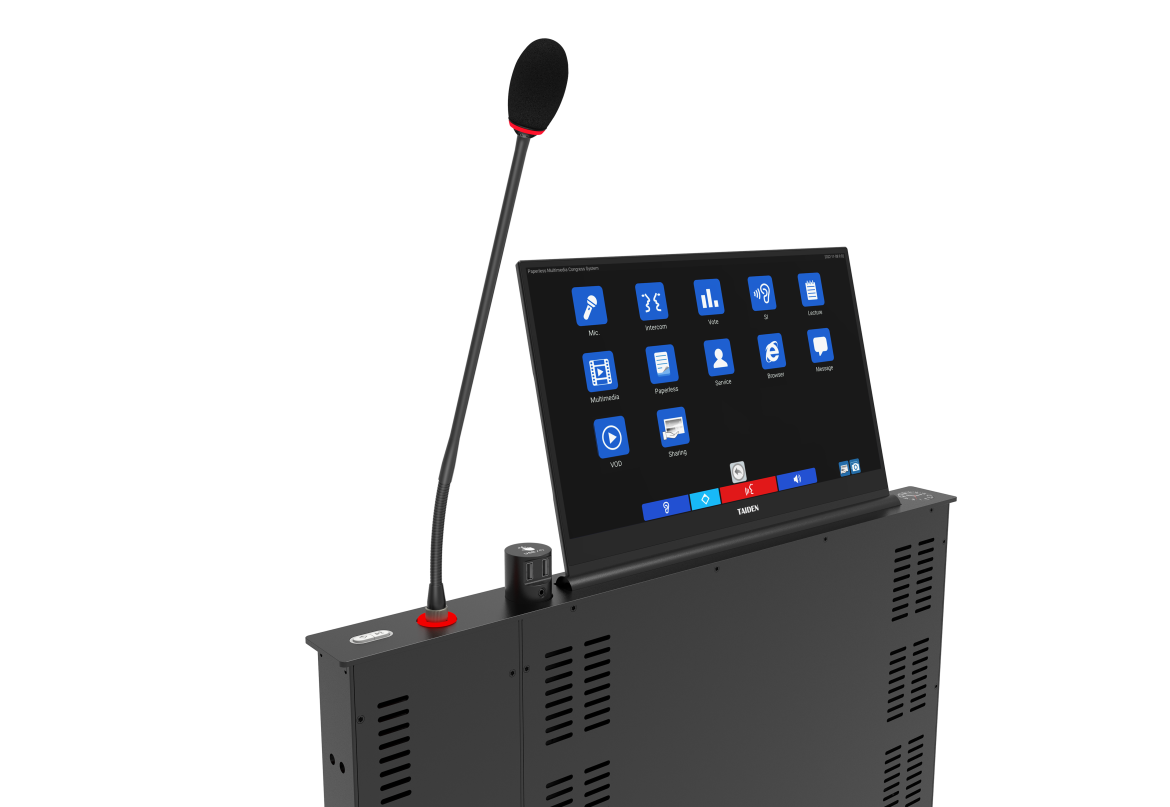
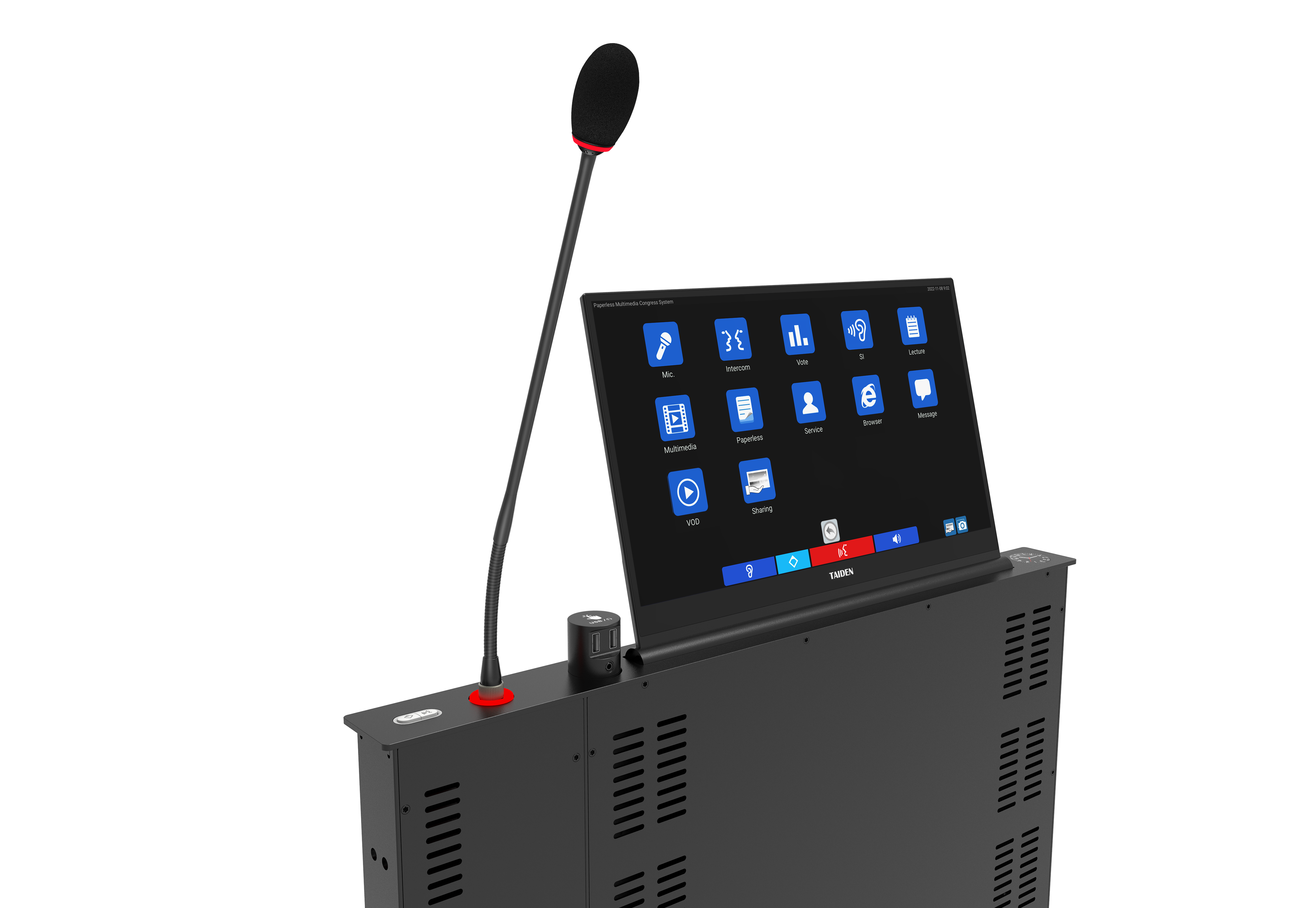
You tap the mic in the council chamber, everyone nods, and then the stream stutters. The paperless conference system on the table looks sweet as, but the audio feels a bit wobbly when the room fills up. In many rooms, multimedia system sound is the line between a crisp kōrero and a quiet panic. Audits across hybrid venues show that about a third of sessions lose several minutes to level hunts or device restarts—small hits that stack up. And once the second glitch hits, remote guests drift (too right). So, what’s actually going wrong, and what can we do—now—to keep speech clear without blowing the budget?

Let’s map the real causes, then line up better options for today and the next upgrade cycle—because the gear list isn’t the whole story.
The Deeper Layer: Hidden Pain Points in Room Audio
Where do glitches really come from?
Let’s get technical for a moment. Room sound rides a chain: mic capture, preamp, DSP, network hop, playback. If the gain structure is off by even a little, speech peaks clip, and whispers vanish. A tight latency budget also matters; stack delays from DSP plugins, edge computing nodes, and a few network switches, and suddenly speakers talk over echoes—funny how that works, right? And if devices don’t share a stable PTP clock, lip-sync drifts. Look, it’s simpler than you think: clean capture, consistent processing, and predictable delivery. But many rooms use mixed brands and half-tuned profiles. That’s where dropouts and “mystery” noise breed.
Now the stealthy stuff. Consumer power converters can inject a hum that DSP can’t fully mask. Wi‑Fi handoffs can break QoS tags, so packets arrive late or in bursts. Improper impedance matching on legacy lines boosts hiss. Auto-mixers without context switch too fast and pump room noise. Acoustic echo cancellation works, but only if the reference feed stays stable. And firmware? Outdated builds add jitter. The pain points aren’t fancy—they’re layered. Fix the basics, and the chain calms down. Keep every link honest, and the room sounds natural, even when it’s chocka with voices.
Next-Gen Principles and Smarter Choices
What’s Next
From here, think forward and compare. Old-school analog stacks hide issues; modern IP audio surfaces them with metrics. AES67 or similar transports carry streams with timestamps, and stable PTP sync keeps mics, screens, and recorders aligned. Add adaptive beamforming and noise classifiers, and speech cuts through HVAC rumble. The best part is visibility—dashboards report packet loss, jitter, and headroom. Pair that with a capable paperless meeting solution, and chair control, voting, and recording live in the same ecosystem. Less glue code, fewer points of failure. You plan changes, not fire drills. The principle is simple: consistent timing, predictable paths, and light-touch processing.
Pulling it together, aim for actionable checks you can measure. First, end-to-end latency: keep talk-to-speaker under 80–120 ms for natural flow. Second, clock health: verify PTP stability and jitter across switches during load. Third, speech quality: track signal-to-noise ratio and acoustic echo cancellation tail length during real sessions—under load, not in an empty room. Do this, and meetings run smoother, minutes are clearer, and people stay engaged—because nothing beats hearing each other properly, aye. Keep it practical, keep it observable—and keep improving as rooms evolve. For deeper benchmarks and interoperable designs, see TAIDEN.