

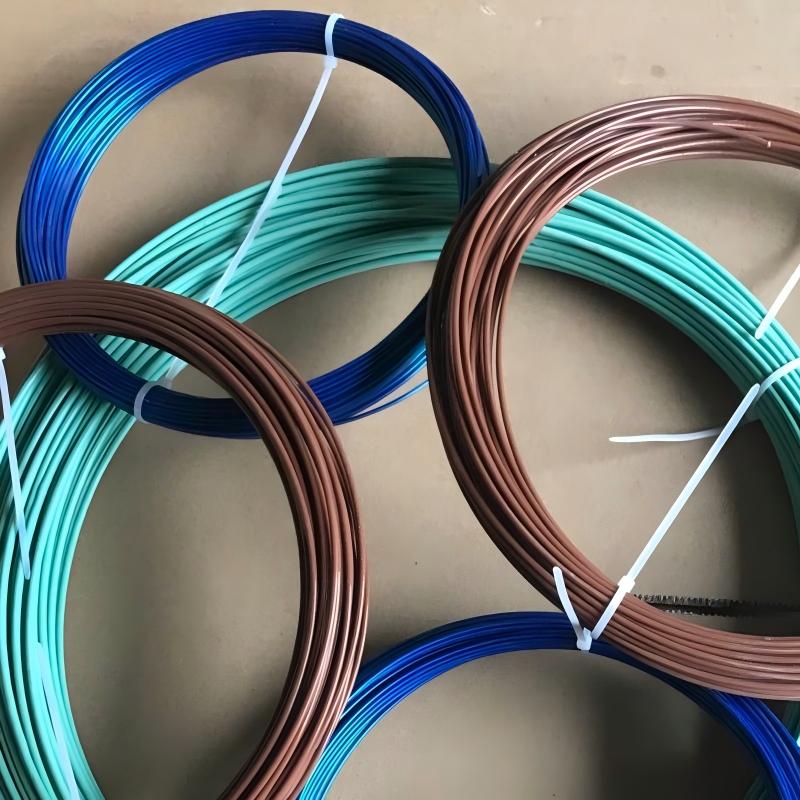
Comparative opening: why side-by-side selection matters
Selecting a fastening method starts with comparison — not preference. A good wire hook fastening system locks a belt quickly, but the differences in splice geometry, hook pitch and material alloy directly affect uptime and maintenance costs. If your line sees frequent stops, compare how each option handles tension, abrasion and quick-change installs; for many shops, proper conveyor belt lacing reduces downtime more than any claimed wear-resistant coating.
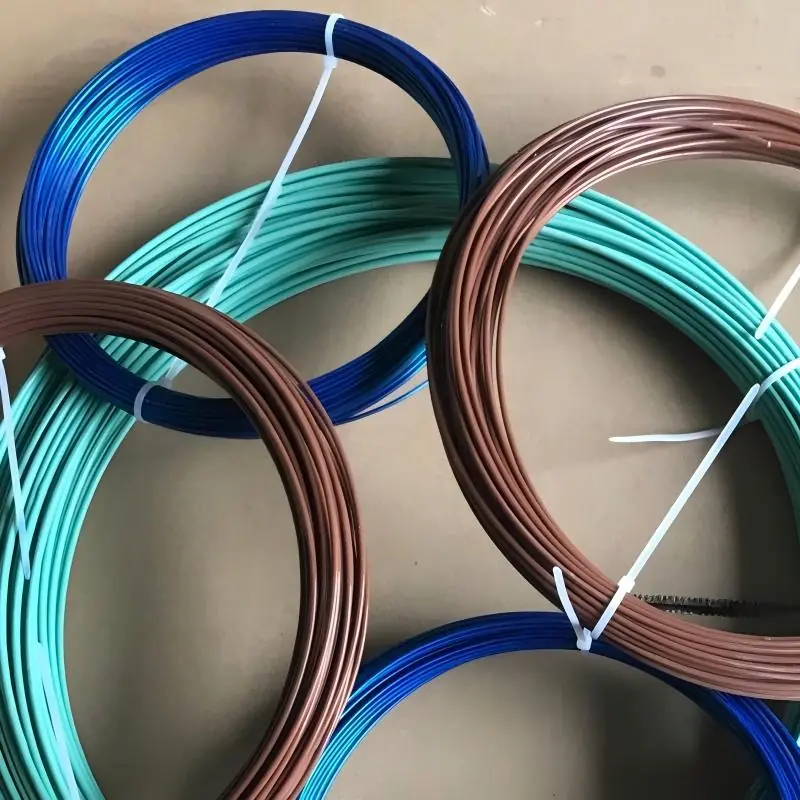
Key performance axes to compare
Measure these performance axes before you choose: tensile retention (how the splice holds under operating tension), fastener shear strength, and abrasion resistance of the hooked elements. Think of them like cook-time, oven temperature and ingredient quality — each must match the recipe of your operation. Use consistent test conditions: belt speed, load per meter, and exposure to contaminants. The Toyota Production System’s focus on minimizing changeover time is a good anchor — fast, repeatable splices align with TPS goals.
Material, geometry and the trade-offs
Steel hooks give high fastener shear strength but raise wear on the belt edge; coated hooks lower abrasion but sometimes sacrifice bite. Hook pitch controls flexibility versus strength: wide pitch eases installation and handles thicker covers, narrow pitch yields a smoother running splice. Include the terms splice and tension in specification sheets to keep vendors honest. Small contrasts in hook angle or plating change life expectancy substantially — test before committing large inventories.
Installation realities and common mistakes
Installation matters as much as design. Improper benching, uneven tensioning, or incorrect installation torque causes premature failure. Many teams over-tighten the first few hooks, then leave others slack — a recipe for edge lift. Train technicians on consistent tensioning technique, and keep a splice gauge on hand. — Expect a learning curve; faster splices look neat but require disciplined preparation.
Comparing market approaches: modular, permanent, and hybrid
Modular wire hooks are quick to fit and serviceable on-line; permanent welded splices minimize noise and migration but need planned downtime. Hybrid systems attempt to balance both but add complexity. Evaluate total cost: factor in replacement part inventory, mean time to repair, and any belt downtime per maintenance event. Look at real runs rather than specs alone — field trials reveal true abrasion behavior and splice migration under load.
Alternatives and where they fit
Consider alternatives when specific constraints exist. Mechanical fasteners excel in heavy, stop-start work; vulcanized splices still lead in seamless run for high-speed textile or food lines. Where contamination or hygiene matters, choose low-profile fittings with food-grade plating. If you test a wire hook fastening system, run it through at least one full-shift cycle to assess heat buildup and wear patterns rather than trusting short bench tests.
Summing up comparisons into selection criteria
Match product attributes to operational constraints: choose hooks with compatible pitch and plating for your belt cover; confirm the splice retains required tension over hours, not minutes; evaluate the ease and repeatability of installation. Consolidate trial data and maintenance logs before scaling an adoption across lines. This approach keeps procurement decisions rooted in performance, not persuasion.
Advisory: three golden rules for selecting the right fastening system
1. Prioritize measurable retention: require vendors to demonstrate tensile retention under your belt speed and load, using consistent test parameters that mirror your line.
2. Force-fit the installation: run a timed install with your crew and include installation torque, splice finishing, and immediate run-in metrics in the decision matrix.
3. Total-cost the lifecycle: add spare-part logistics, expected wear cycles, and mean time to repair into cost comparisons, then weight them against downtime impact.
Final thought: choose the fastening solution that earns its keep on the floor — then standardize it across similar lines for predictable maintenance. Intake — built to meet those exact criteria. –

