

Introduction: The Stakes in Every Swipe
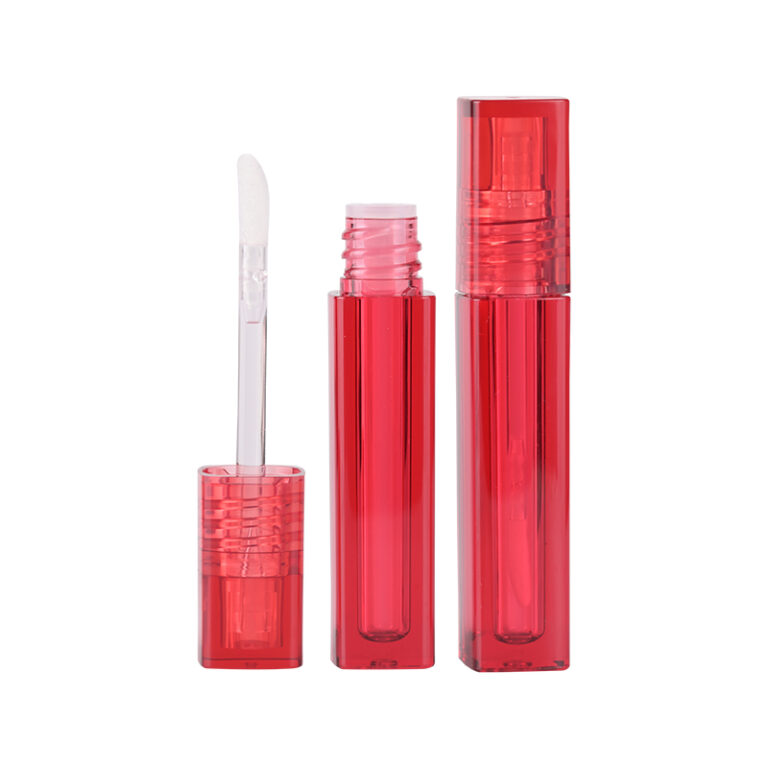
Here’s the truth: the package decides the first impression before the formula does. A lip gloss tube manufacturer sits at the center of that moment. Picture a shopper twisting a cap at the counter; one clean swipe, no leak, smooth glide—sale won. Yet e-commerce return rates for beauty hover around the teens, and a notable share traces back to packaging issues like seepage, clumping at the wiper, or broken applicator stems. Choosing the right empty lip gloss tubes manufacturer turns those risks down fast (and keeps your launch on track). If one faulty gasket can tank a batch, why are so many brands still gambling on “good enough”? The data says consistency matters. The scenario says time is tight. The question is simple: which partner can handle both?
Let’s break it down and set a pace you can keep—strong, steady, measurable.
Hidden Friction: Why ‘Empty’ Tubes Create Full-Blown Problems
Where do the pain points hide?
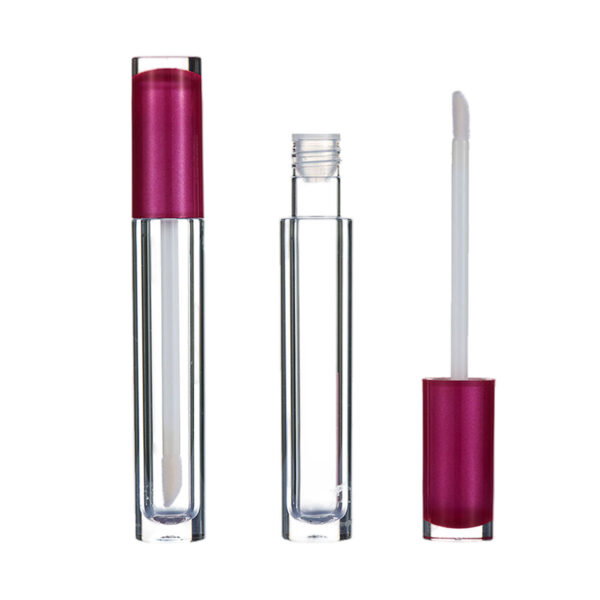
The tube looks simple, but the failure points stack up. Tolerance stack-up at the neck threads plus wiper rigidity equals weeping at altitude changes. High-viscosity formulas push past weak seals when torque testing is off even by a notch. Applicator flocking sheds when adhesive cure isn’t matched to solvent load. And recycled blends can warp during injection molding if the melt flow index drifts. Each detail is small. Together, they become your leak rate.
Now the user-side issue: real life stresses. Caps overtightened on unboxing. Purse heat. Repeated recapping that tests the tamper band. If the wiper inner diameter is 0.1 mm loose, capillary action can pull air in over weeks—oxidizing dyes, shifting gloss, dulling shine. Look, it’s simpler than you think: build for the actual journey, not the lab. Specify PCR resin without sacrificing barrier properties. Define QC with ISO 22715 references and real-world QA sampling, not just pretty golden samples—funny how that works, right? When brands skip these basics, the “empty” tube quietly defines the whole user experience.
Comparative Lens: New Principles That Redraw the Playbook
What’s Next
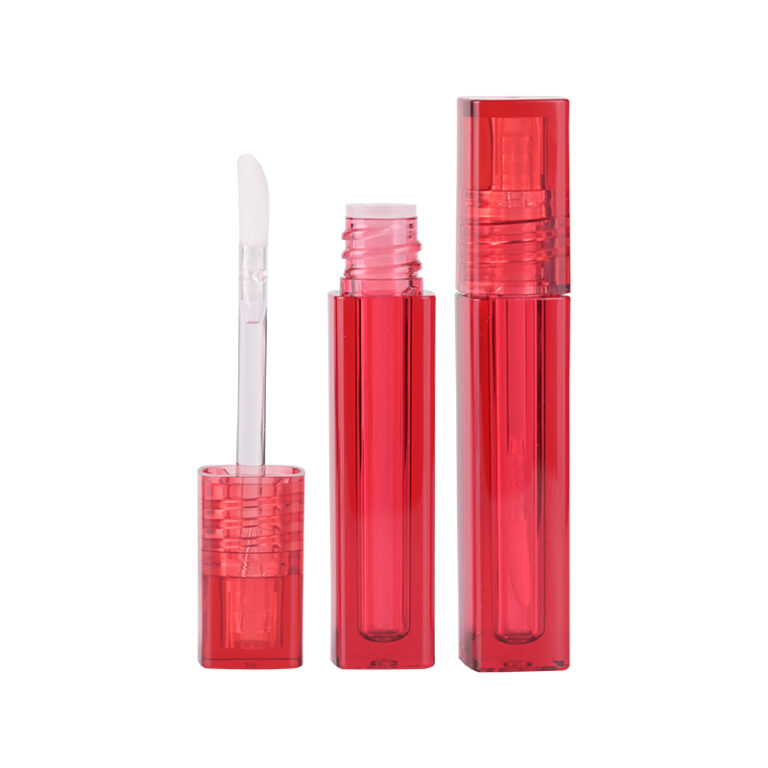
Moving forward, the winners compare by process capability, not catalog pages. Three principles lead. First, closed-loop molding: cavity pressure sensors and servo profiles cut variation at the gate, which stabilizes neck concentricity and wiper fit. Second, surface science: low-energy plasma treatment on rods improves flocking adhesion, reducing shed and improving pickup— and yes, it matters. Third, material tuning: PCR resin with compatibilizers retains stiffness while keeping barrier performance near virgin levels. Pair these with inline vision systems, and you get fewer surprises downstream. When you spec custom lip gloss tubes, ask how the maker validates CpK on critical dimensions and how they torque-test seals across temperature cycles (hot van, cold porch, store shelf).
So how do you choose with confidence? Use three evaluation metrics. 1) Seal integrity index: leak rate at pressure and temperature swing, plus cap torque drift over 50 cycles. 2) Material impact score: PCR percentage versus rigidity and barrier loss, verified by standardized tests. 3) Process stability: dimensional CpK on neck, wiper ID, and rod straightness with documented corrective actions. Keep the conversation semi-formal but exact—compare real numbers, not slogans. The upshot from earlier sections: the pain points hide in tolerances, handling, and materials; the fixes live in sensors, surfaces, and standards. Measure those, and your gloss looks great on day 1 and day 90. That’s how 2026 packaging decisions get made—with clarity, not guesswork. NAVI Packaging