

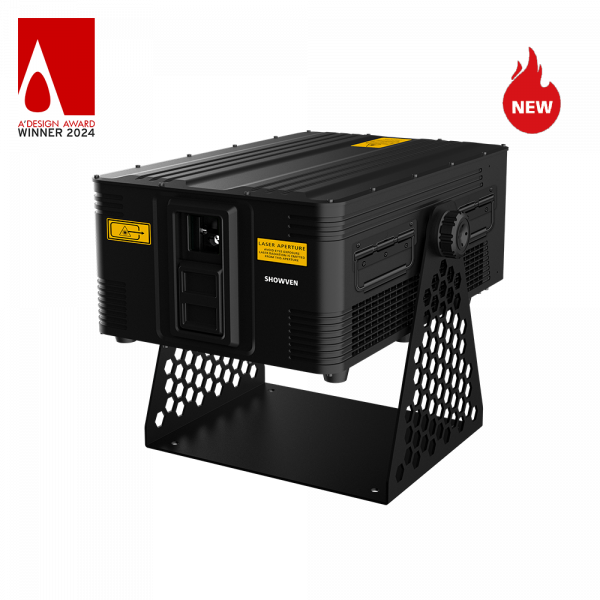
Why the Sky Matters Tonight
Big shows live or die on beam quality. A sky laser can turn an empty night into a canvas. Picture this: a coastal festival, sea breeze rolling in, lights up, crowd waiting. Then the beams bloom wide, lose punch, and drift from target. Data backs it: even a small jump in humidity or wind shear can lift beam divergence and sap brightness by 20–30%. So why do some rigs stay crisp while others wander off? We talk scanners, power, control, and safety. We also talk design choices that look fine on paper but fail under pressure (no worries, we keep it plain). The point is simple—when conditions shift fast, weak links show fast. Here’s how to spot them and set the stage for better nights ahead.
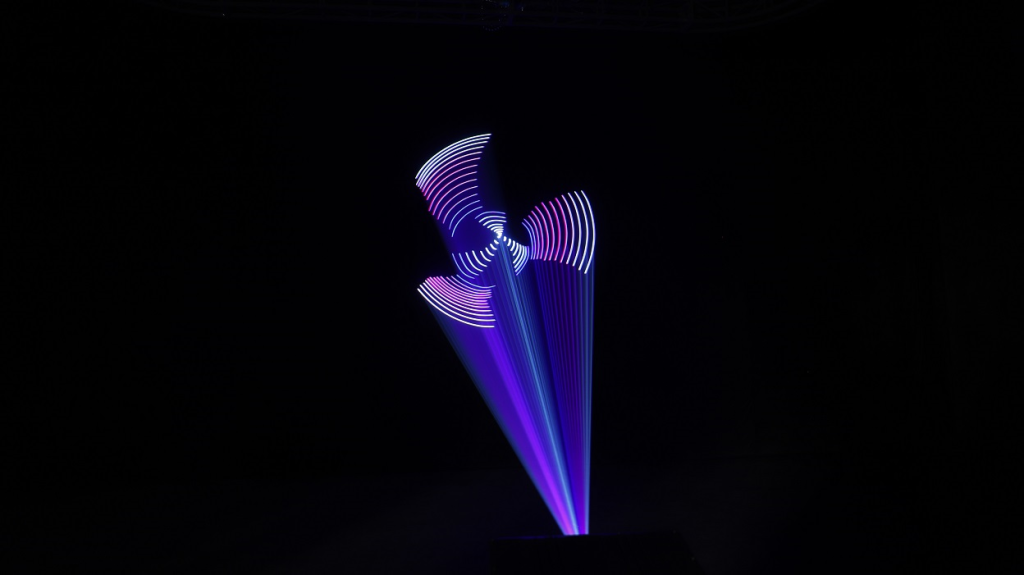
Let’s dive into the real issues, then move to fixes that actually scale.
Where Traditional Rigs Fall Short
What’s slipping through the cracks?
Most touring setups lean on a “set-and-hope” method. That’s rough for a 60w laser light working outdoors. Galvanometer mirrors heat up, and the scan geometry drifts. Power converters throttle under high load, so output drops just as you push for a big moment. With DMX512 or basic ILDA control, latency sneaks in, and you can’t steer fast when wind nudges the beam. Safety interlocks keep people safe (good), but they also trip when cooling is marginal, which kills timing. And beam divergence grows when thermal management is patchy. The result: haze looks muddy, aerial fans lose symmetry, and your “straight to the moon” look turns soft.
Look, it’s simpler than you think. The hidden pain points aren’t only about wattage; they’re about feedback. Few rigs run real closed-loop monitoring with onboard photodiodes near the aperture. Fewer still push health data to edge computing nodes on the truss for live tuning—funny how that works, right? Without that loop, operators baby the system, and the show pacing slows. You get conservative cues, overcautious dimming, and more time lost to reset. Add gusty air and a long throw, and even a solid unit starts to wander off its mark.
What’s Next: Smarter Control, Cleaner Beams
Now for the good news. New control stacks let a 60-watt class system act like a smarter instrument, not just a brighter one. Think closed-loop galvanometer tuning with live thermal maps of the scanner block; predictive cooling that ramps before the spike; and beam shaping that trims divergence as temperature rises. Put tiny edge computing nodes near each head, and they crunch sensor data right there—no roundtrip delays. The aim is crisp aerials and stable aiming lines, even when the wind kicks. This is where modern sky lasers begin to stand apart: they blend optics, firmware, and power stages so the show logic adapts on the fly. Add a simple IMU on the yoke, cross-check with encoder feedback, and you can smooth flutter without hammering the mirrors. It’s technical, sure, but the payoff is plain to the crowd.
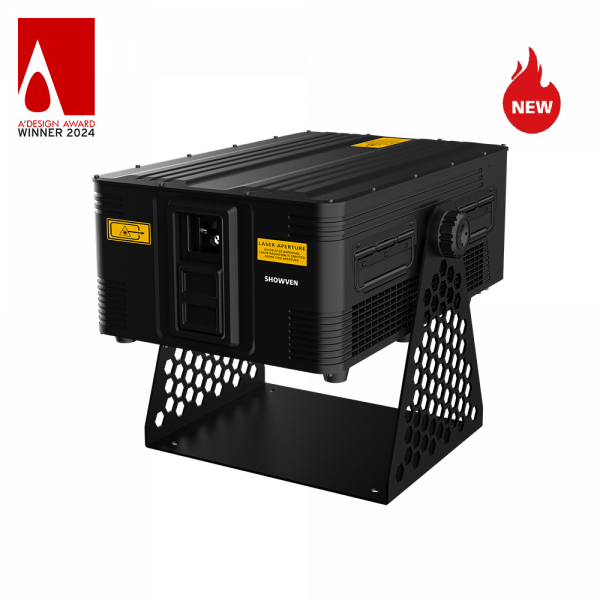
So what should you measure when picking your next rig—besides brochure lumens? First, stability under load: ask for logged data on beam drift and scan linearity during a 20-minute full-power cue. Second, thermal headroom: verify heat sink capacity, airflow design, and how the firmware manages derating (not just a fan spec). Third, control fidelity: look for low-jitter ILDA paths or robust network control, plus real feedback from the optical path to your console—because your cues deserve proof, not promises. Wrap these into your site plan, and you’ll see sharper looks, fewer pauses, and safer shows—funny how planning buys freedom. For further tech details and product references, see Showven Laser.