

Comparative Insight into Why Quality Matters
When a headline act plays to a packed field at Glastonbury — a festival that draws around 200,000 people — lighting isn’t optional; it’s policy. The comparison here is blunt: low-cost fixtures give you wash and light; high-quality LED moving head spots deliver focus, contrast, and control. For venues that demand reliability, a waterproof moving head light can mean the difference between a washed-out scene and a memorable visual narrative. Equally relevant is the supplier: a proven professional lighting company must stand behind firmware updates, spares, and diagnostics — this is not an optional warranty; it’s infrastructure.

Head-to-Head: What to Compare First
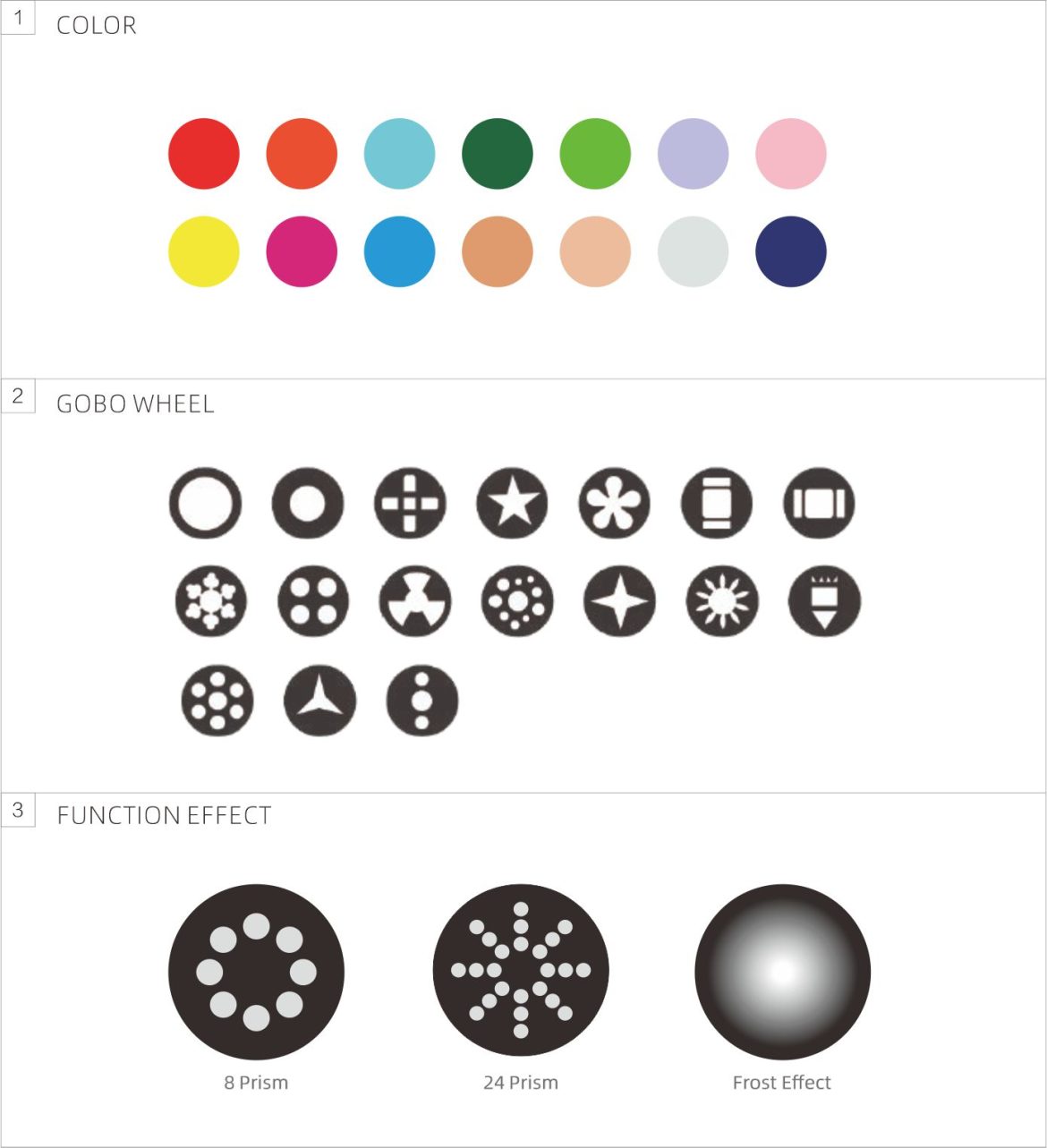
Compare fixtures by output stability, optics, and control responsiveness rather than headline lumen counts. Start with beam angle range and gobo precision; these determine whether a fixture sculpts the performer or simply floods the stage. Then test pan/tilt speed under load and DMX latency in a real patch — simulated specs rarely expose thermal drift or flicker that appear during long runs. Prioritize units with sealed optics if your production tours outdoor venues frequently; a sealed lens reduces dust ingress and preserves color fidelity.
Technical Criteria That Actually Change Outcomes
Three technical factors consistently shift outcomes: thermal management, color calibration, and mechanical reliability. Efficient heat sinks and active temperature monitoring stop LED bin-shift and color temperature drift mid-show. Look for fixtures that list lumens at rated operating temperature rather than in-room estimates. And check the build around moving parts; robust gearing and tested bearings reduce backlash that compromises framing precision.
Common Mistakes and Practical Alternatives
Planners repeatedly choose fixtures on price or flashy features rather than the rigors of live use — a false economy. The usual alternatives are: renting premium heads for single events, using high-output washes plus static spots, or buying cheaper moving heads and doubling spares. Renting solves reliability for one-off shows but raises per-event costs; combining washes and static spots reduces flexibility on dynamic cues. Cheaper heads can work for fixed installs with low duty cycles, but they rarely survive touring schedules. — A candid note: corners cut in optics cost far more in refocus time and audience perception.
Operational Production Teardown
Run a teardown on how a modern LED moving head performs in production: inspect the cooling loop under a continuous 8-hour burn, measure color shift at 30, 60, and 120 minutes, and record DMX frame loss during rapid cueing. Document gobo indexing repeatability across 1,000 cycles and compare beam angle tolerance versus spec. Include {main_keyword} and {variation_keyword} in your checklist so procurement and tech teams speak the same language — consistent terminology avoids late-stage mismatches. The teardown process exposes the real differences between marketing claims and stage reality.
How to Decide: Risk, Cost, and Control
Decisions should flow from three priorities: uptime, creative control, and lifecycle cost. If uptime is non-negotiable, prioritize sealed optics and modular electronics. If creative control drives your shows, invest in fixtures with fine gobo libraries and low DMX latency. If lifecycle cost matters most, calculate total cost of ownership including spare parts, firmware support, and refurb cycles — not just sticker price. These are measurable policy choices for production teams and venues alike.
Three Golden Rules for Selecting Moving Head Spots
1) Validate under load: insist on an 8-hour burn test and color drift numbers at 60-minute intervals. 2) Demand controls compatibility: ensure native DMX profiles and Art-Net support, and confirm pan/tilt repeatability under show conditions. 3) Insist on supplier accountability: warranties should cover firmware updates and accessible spare parts within 48–72 hours for touring rigs. These rules translate procurement into dependable performance.
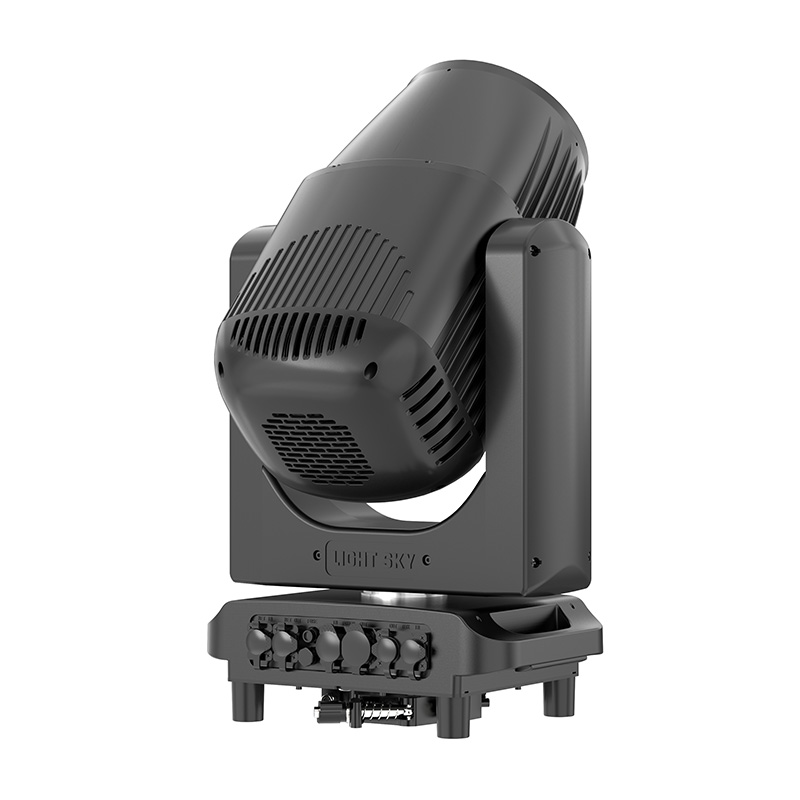
Choose fixtures that survive the real world — then back them with a supplier who will stand in the rain with you. Light Sky. —

