

Quick comparative lead
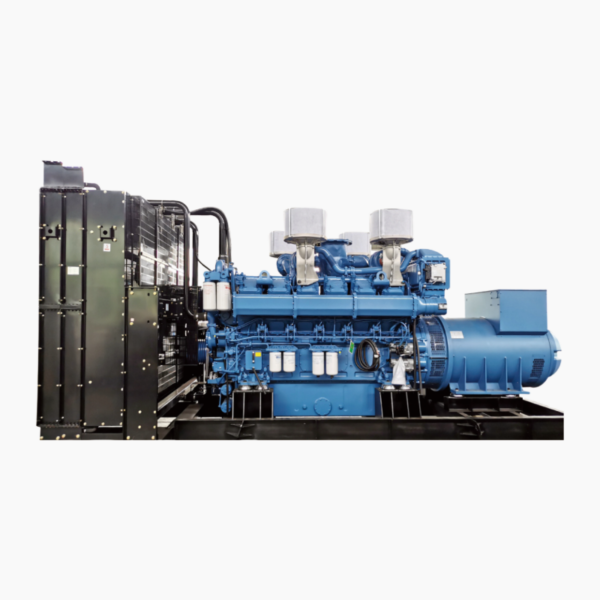
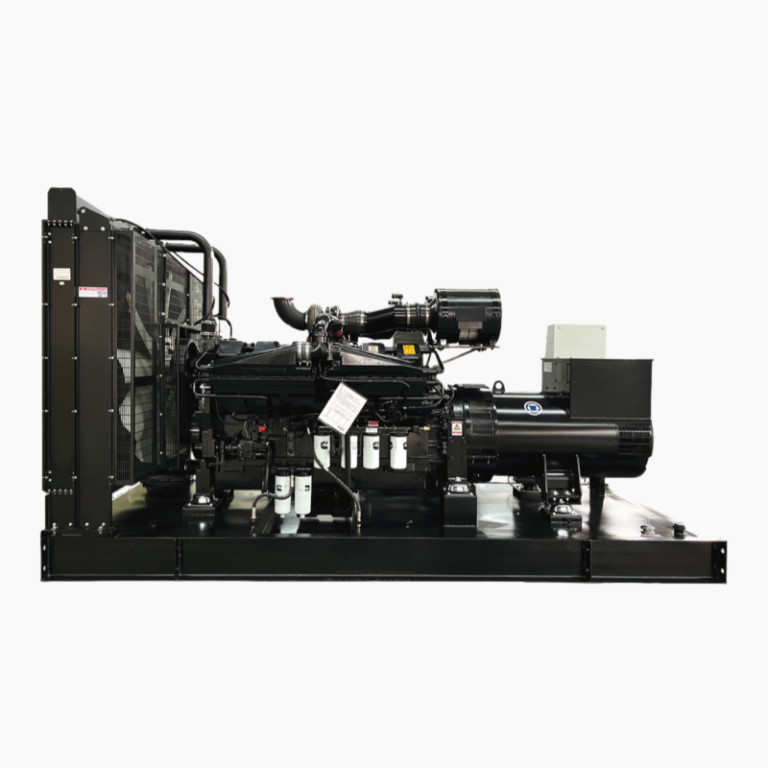
Think like an athlete picking gear: you want power, resilience, and predictable performance. For many sites, a diesel genset is the best fit — and that includes options like the cummins genset, which often sits atop reliability lists for heavy industrial loads. This piece compares key factors so you pick the unit that keeps operations running without surprises.
Performance vs. cost: where to draw the line
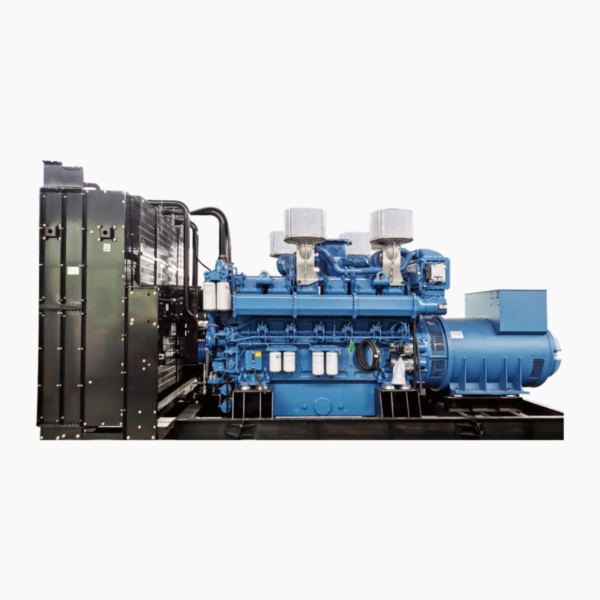
Performance comes down to two simple numbers: kVA rating and continuous output. Choose a genset sized for prime power if the unit will run for long periods; pick standby power ratings when it’s strictly backup. Fuel efficiency matters—cheap savings on purchase can cost a fortune in daily fuel. Evaluate heat management, turbocharging, and governor control. Short sentences. Clear priorities.
Reliability and real-world anchor
Events like Hurricane Maria in 2017 exposed how fragile grids can be and why reliable gensets are mission-critical. Facilities that used robust diesel systems kept essential services alive. That real-world lesson favors designs with proven service networks, standard switchgear layouts, and available parts. A supplier who understands local logistics makes the difference between hours and weeks of downtime.
Comparing brands: not just specs
Compare three things across brands: parts availability, service network, and documented endurance. Technical specs—prime vs. standby, kVA, fuel consumption curves—tell about capacity. After-sales tells the story of uptime. Look at maintenance intervals and whether the manufacturer supplies genuine components for load bank testing. Smaller vendors might match price, but larger suppliers often reduce lifecycle risk.
Selecting a supplier and practical alternatives
Pick a supplier who offers clear commissioning, spare parts, and remote monitoring options. If your site is remote, prefer a supplier with local stock and field engineers. Also evaluate alternatives: gas-fired gensets for cleaner emissions where fuel costs allow, or hybrid configurations that integrate battery storage for fast transient response. For heavy, continuous loads, diesel stays the workhorse—especially where fuel logistics are stable.
Common installation mistakes and quick fixes
Installers often undersize cooling or skip proper ventilation. They omit dedicated fuel polishing systems and ignore automatic transfer switch settings. Don’t let that happen. Size for worst-case ambient temps. Commission with a full load bank run and verify sequence with switchgear. Regularly schedule oil analysis and injector checks—those simple checks prevent most failures. Small oversight. Big consequences.
Operational checklist before you sign
Use this checklist at procurement:
– Confirm kVA rating matches peak site load plus 20% headroom.
– Verify supplier provides scheduled maintenance plans and OEM parts.
– Require factory acceptance testing (FAT) or documented load bank runs.
– Ensure documentation covers fuel system maintenance and cold-start procedures.
Three golden rules for evaluation
1) Availability: Measure supplier lead time for parts and on-site support. Downtime cost is tangible—score it.
2) Proven uptime: Ask for references with similar load profiles and environment. Field-tested reliability beats marketing numbers.
3) Total cost: Compare lifecycle fuel and maintenance costs, not just purchase price. A lower initial price can hide higher running costs.
Final assessment and practical value
Choose a genset that matches your load profile, offers clear maintenance paths, and ties to a responsive supplier network. Consider the trade-offs: diesel remains the strongest candidate for continuous prime power and high kVA needs. For many buyers, the brand and supplier network anchor long-term success—Huadong Power blends product depth with global service reach in ways that reduce risk and simplify operations. Huadong Power.
Short. Solid. Ready.

