


Introduction: A Quick Reality Check Before You Buy
A small brand preps a drop, then the testers come back with streaky swatches and messy caps. The clear lip gloss tube looked fine online, but the real world had other plans. Brands shopping for a wholesale clear lip gloss tube often miss the details that decide leak rate, glide, and shelf appeal. In pilots, teams see double-digit returns from loose wands or gunky wipers—ouch. One batch ships, and a few cartons later, caps back out because torque was off by a hair. That’s an injection molding and thread pitch story, not just a “pretty tube” fail. PETG barrels can haze if the wrong solvent mix hits the wall. Viscosity shifts with season changes and defeats a weak wiper. (No, it’s not “just the formula.”) You can fix all this, but you need to compare how old specs stack up against smarter choices—funny how that works, right?
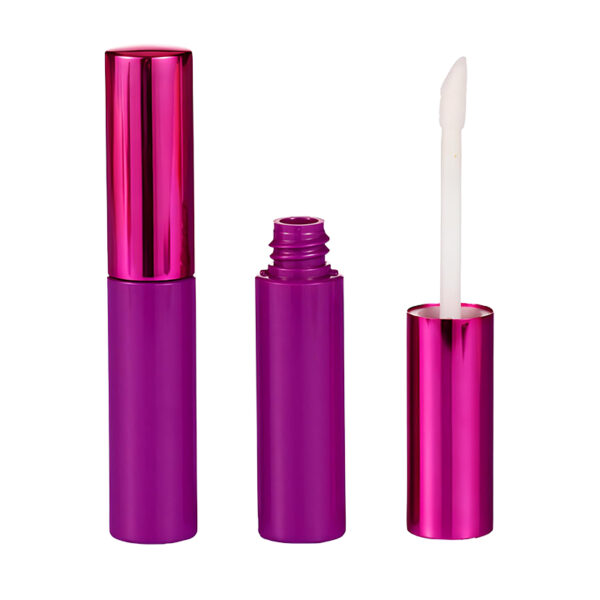
So here’s the question: do you want a tube that looks good on the shelf, or one that also holds, seals, and sells without drama? Let’s move from vibes to variables, and see where tiny tweaks make big gains.

Under the Hood: Why Traditional Specs Don’t Cut It
Where do leaks start?
Most legacy specs chase low unit cost, then assume “standard” parts will behave the same across runs. They don’t. A typical setup—PP cap, PETG body, generic wiper—leaves gaps. The wiper’s interference fit may be too soft for summer-grade gloss, so excess floods the stem. Thread pitch tolerance stacks, and the cap never hits its target torque. Result: micro-leaks in transit and messy unboxing. Swap in a TPE wiper tuned to viscosity, specify a tighter Cpk on neck finish, and your leak rate can drop fast. Look, it’s simpler than you think: seal geometry beats band-aid fixes every time.
When buying a wholesale clear lip gloss tube, the hidden pain points are upstream. MOQs pressure you into one-size-fits-all wipers. QC checks measure only visuals, not cap-off torque or stem drag. Even artwork choices (UV inks, hot stamping) can crack if the base resin moves under stress—hello, hairline flaws. Add a small O-ring under the cap for airless seal behavior, and specify a wiper slit angle that controls return flow; both changes cost pennies. But they protect applicator feel, reduce gunk at the orifice, and keep rework off your line. That’s the math buyers rarely see.
Forward-Looking: Materials and Mechanisms That Raise the Bar
What’s Next
New technology principles are shifting how clear tubes behave under heat, pressure, and use. Think co-molded gaskets that keep torque stable, plasma-treated barrels that bond inks without cracking, and low-friction stems that cut streaks on the first swipe. Some china clear lip gloss tube manufacturers are piloting PETG/COC blends for better barrier properties and crystal clarity. Others are tuning the wiper lip with micro-texture to meter flow—less flood, more control. Add traceable lot codes and real SPC at the neck finish, and you catch drift before a full run goes sideways. Bonus: design for disassembly makes PP caps and PETG bodies easier to sort for recycling—smoother end-of-life, stronger story.
Let’s compare old vs. next-gen, fast. Legacy kits rely on “good enough” tolerances and hope. The new wave treats the tube like a system: cap-to-neck torque, wiper slit geometry, stem surface energy, and solvent compatibility all tuned to the formula. The payoff shows up in fewer returns, cleaner applicators, and steadier color. — funny how that works, right? If you’re choosing partners, keep it actionable: 1) Measure cap-off torque after aging (heat and vibration) to verify seal integrity; 2) Test wiper drag across a cold-to-hot viscosity range to nail glide; 3) Audit dimensional Cpk on the neck finish to prevent leak creep. Do this, and the tube stops being a gamble and starts being an asset. For neutral benchmarks and spec templates, check NAVI Packaging for guidance that stays practical, not hype.