

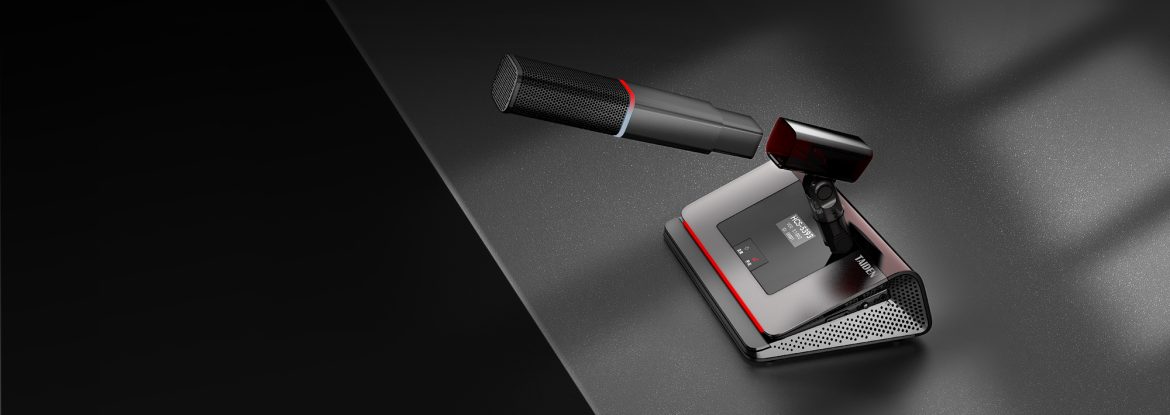
Introduction: A Room, a Delay, and a Bigger Question
You arrive early, the room is ready, but the meeting still starts late. The audio visual equipment supplier promised that everything would be smooth and simple. Yet someone hunts for the right cable, the mic clips, and the screen blinks twice—kwanza, then tena (si haba). Across many teams, a few minutes vanish in setup, and the mood drops before the first slide. People say it is normal, but is it? If the tech is built for people, why do the people keep bending to the tech? Data from internal IT logs often shows repeated issues: small latency spikes, mismatched firmware, and hotspots that only appear when the room is full. These are not “one-off” problems. They are patterns. So, what’s the bigger question? It is this: are we solving the wrong problem by buying more boxes instead of making the flow simpler? And if the flow is off, who owns it—procurement, IT, or the integrator? The answer matters because it shapes every meeting, from training to board briefings. Let’s move beyond the surface and check the deeper friction that hides behind the blinking LEDs. Twende mbele—let’s dig in.

Where Traditional Supply Falls Short: Hidden Pain Points
What actually breaks?
A modern conference equipment supplier should solve flow, not just ship boxes. Classic stacks bolt together a DSP matrix, HDCP 2.3 video paths, ceiling mics, and a control tablet. On paper, it is fine. In real rooms, edge cases pile up. The codec needs SIP trunking that the firewall throttles. The switch has no proper QoS, so latency jitter ruins far-end audio. PoE+ budgets get tight and a small power converter overheats near the rack. Firmware is “mixed vintage,” so device discovery fails. No edge computing nodes sit close to the table to catch echo early. Users feel it as lag, not as a spec—funny how that works, right? And support becomes a game of ping-pong across vendors.

Hidden pain grows at the human layer. Rooms act different because interfaces drift. One space uses macros; the next uses pages. People carry dongles for USB‑C, then share a cable that resets the switch. Calendar sync drops and the join button vanishes. Remote updates happen at noon, not midnight. Small frictions stack into lost minutes and lost trust. Look, it’s simpler than you think: standardize control logic, keep firmware orchestration tight, and treat networking as the backbone, not an afterthought. When a supplier treats commissioning like product design, the room feels calm. When not, every meeting becomes a mini troubleshooting session.
Forward-Looking: Principles That Change the Game
What’s Next
The next wave is less about shiny hardware and more about clear principles. Think AV over IP with clean multicast, time sync via TSN, and software-defined control that can be versioned like code. Add light-touch device discovery, automatic role mapping, and local edge computing nodes for acoustic tasks before packets hit the WAN. An av solution company that nails these patterns stabilizes rooms without adding knobs. Power budgeting moves from guesswork to policy. Firmware orchestration becomes staged and reversible. AI noise suppression lives at the endpoints, while the core handles routing and security. The result is simple: fewer surprise states, faster recovery, and meeting starts that feel natural. Not magic—just discipline and design.
So how do you choose with confidence? Use three metrics that you can measure in the field. One: Mean Time to Start (MTTS)—from door open to first sentence on mic. Two: Recovery Threshold—how many seconds to self-heal after a cable pull or network blip. Three: Lifecycle Coherence—single update plan across DSP, codecs, and control, with rollbacks. Compare suppliers on these, apples to apples, across three rooms and two networks—then decide. You will see which approach respects users and which only stacks gear. In the end, better meetings show up as calm starts, steady voices, and fewer tickets. That is the quiet win we all want—sawa? TAIDEN