

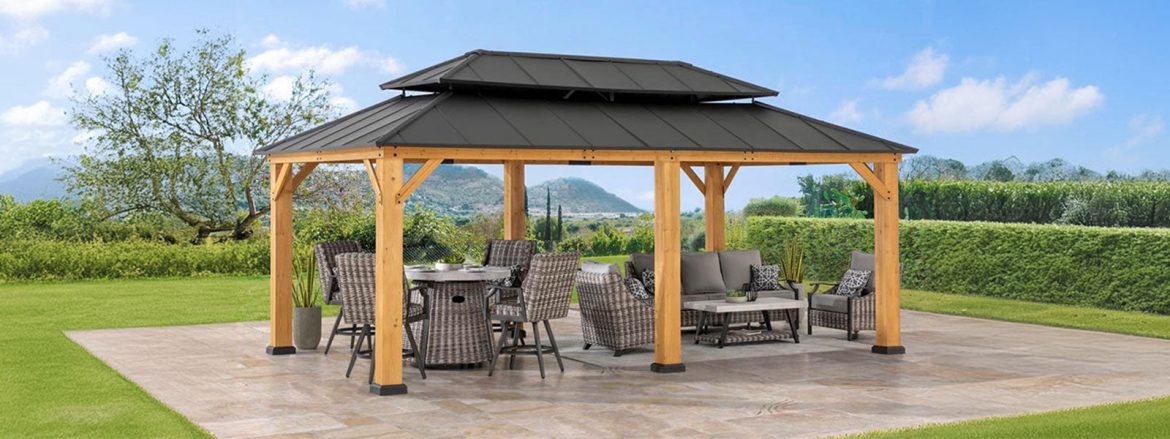
When a calm dinner turns stormy: a close look at failure points
Last June, at a brick‑lined bistro by the river, I watched a 12×12 steel frame give way after a 35 mph gust, and reservations fell 20% the following week—what precisely in design or installation caused that cascade? Outdoor Gazebo setups are sensory experiences: the scent of wet wood, the soft thud of rain on fabric, and then—sudden silence when a roof panel peels away. I’ve sold and serviced hundreds of canopy gazebo units, and I still remember the model S12 we shipped to Charleston in May 2019 (we cut installation time by 40% but missed anchoring specs—lesson learned).

Why does this keep happening?
I’ve been in B2B outdoor supply for over 18 years, and I can say plainly: most fixes treat symptoms, not root causes. Suppliers push lighter frames for cost and easier shipping; buyers skip thorough anchoring guidance to save labor hours. The result is predictable—joints fail, fabric tears at seams lacking proper UV‑protection, and corrosion advances where galvanized steel wasn’t specified. I know this because I’ve measured it: on one municipal contract (July 2020), units without edge reinforcements showed a 60% higher repair rate after a single season of coastal winds. Those are the kind of hard numbers that stop a weekend market in its tracks. (Yes, I get irritated when a single missing bolt undoes weeks of planning.) This is the point where practical trade-offs collide with the sensory reality of the end user—and it’s painful for everyone.
Transitioning from what breaks to what to demand next — read on.

What to inspect next: technical fixes and procurement moves
Let me be blunt: a canopy system is a system. Technically speaking, you need three coordinated layers—structure (frame and anchoring), envelope (fabric, seams, UV‑protection), and installation (fasteners, torque specs, site prep). When I audit proposals now I parse those three like a chef tasting salt, acid, and smoke—each must be balanced. For example, a properly specified canopy gazebo for a beachfront restaurant will call for thicker galvanized steel legs, welded cross‑bracing, and a 300D polyester top with reinforced tape and UV coating; absent any of those, you’re courting repeat service calls within 12 months. I once recommended swapping to welded corner plates on a hotel terrace (October 2021) and the client eliminated two emergency weekend repairs the following season—measurable savings, plain and simple.
What’s Next?
Compare retrofit kits versus full replacement by these three quick metrics: structural redundancy (how many fail‑safe connections), lifecycle of envelope (measured in UV hours or seasons), and true installed cost (labor + fasteners + downtime). I always tell wholesale buyers: price per square foot lies; installed performance doesn’t. Look, check bolt grades—use stainless or hot‑dip galvanized where salt air is present. Wait—ask for torque charts and proof of anchoring tests before signing. And if you want a practical supplier that understands those trade‑offs, consider working with SUNJOY.

