

Why a comparative approach matters
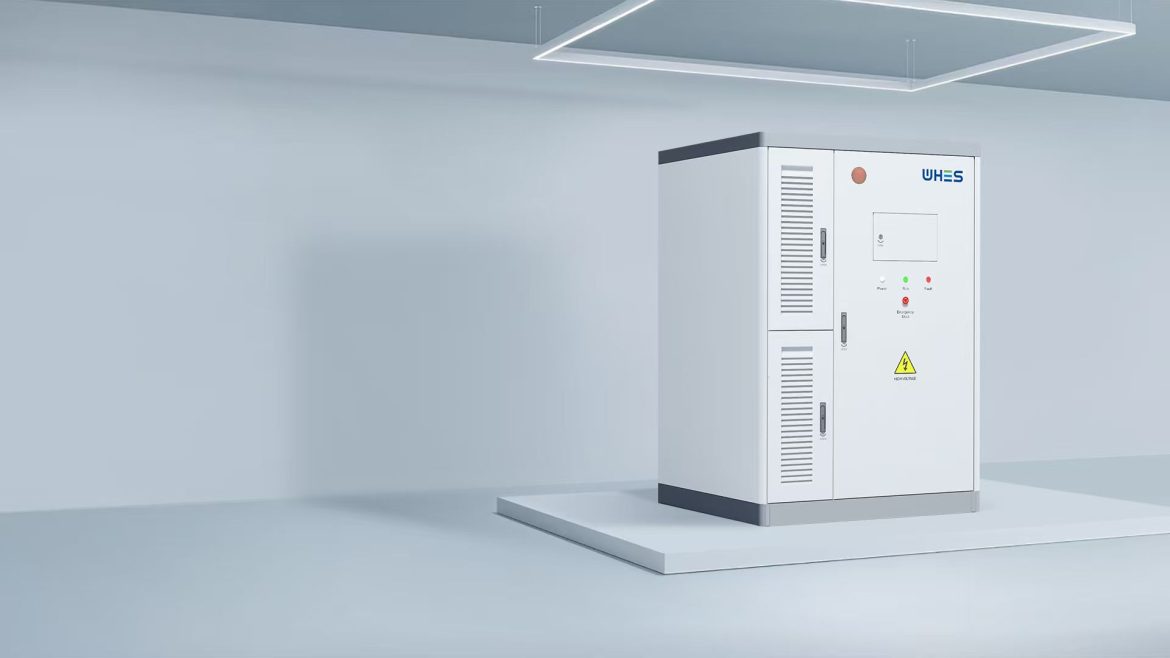
If you’re a network planner or utility exec, you don’t want a one-size-fits-all spiel — you want practical comparisons that show how a 50 kW battery deployment actually shifts the needle on curtailment. This piece runs that comparative logic from the get-go: capacity sizing versus dispatch strategy, cost versus operational gain, and ease-of-integration versus long-term reliability. For example, an integrated option like an all in one energy storage system can drastically shorten commissioning windows while bundling inverter, BMS and rack infrastructure — handy when you’re trying to stop spilled solar from turning into lost revenue.
The problem in plain terms: what we’re solving
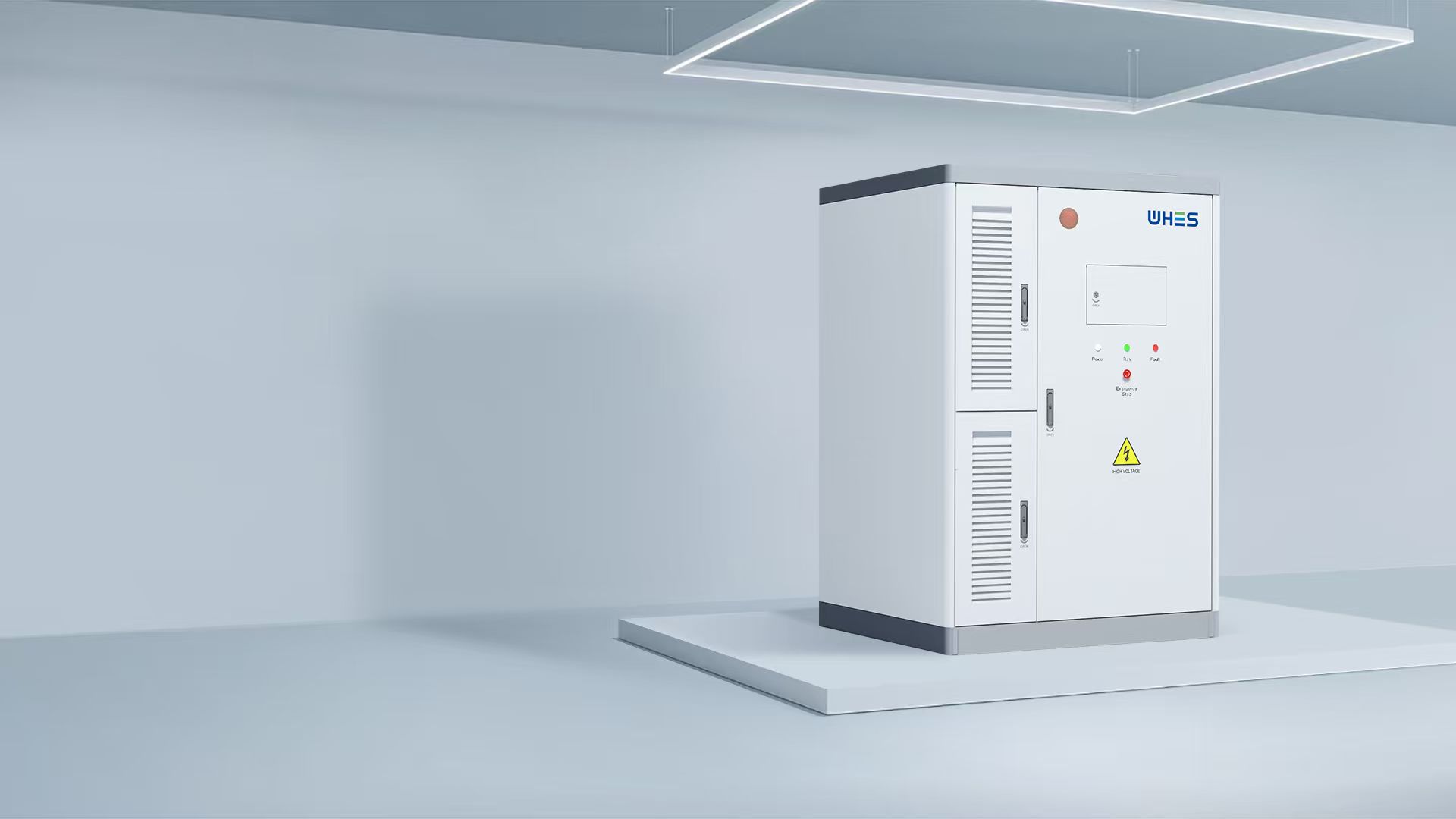
Curtailment happens when generation — usually solar at midday — exceeds what the grid can accept or safely balance. You’ve seen it in the headlines: California’s duck curve, and high rooftop PV curtailment events in islanded systems. Those are real-world anchors that show the harm: stranded energy, lower project IRR, and frustrated prosumers. Industry terms to keep front of mind here are curtailment, dispatch, and state of charge (SoC) — they’re the levers you’ll use to measure success.
How a 50 kW-scale battery helps — and when it won’t
At around 50 kW (with appropriately matched kWh), batteries are big enough to soak short-term excess solar and provide dispatchable output into peak windows. Key benefits include smoothing net load ramps, reducing reverse power flows, and offering basic ancillary services like frequency regulation and volt/VAR support. That said, scale matters: a single 50 kW unit may not stop daily bulk curtailment on a heavily saturated feeder — it’s best used where localised solar clusters or single substations are the trouble spots.
Comparative trade-offs: centralised vs distributed, integrated vs piecemeal
Look at four quick comparisons:
- Centralised 50 kW bank at substation vs distributed rooftop-level batteries: centralised gives easier control and economies of scale; distributed reduces feeder congestion more directly.
- All-in-one integrated systems vs component-by-component builds: integrated units cut engineering hours and warranty complexity; modular builds can be optimised for price or replacement parts.
- High SoC buffer strategies vs low SoC cycling for market arbitrage: keeping more headroom reduces curtailment risk but lowers arbitrage income.
- Fast inverter-based response vs slower thermal management approaches: faster inverters help with immediate dispatch and frequency response.
Each choice carries a different risk profile for lifecycle costs, commissioning time, and operational complexity — and your decision should map to whether you’re solving for reliability, revenue capture, or both.
Practical deployment considerations (so you don’t stuff it)
There are some common mistakes crews make when scaling 50 kW assets: under-specifying inverter ratings for fault currents, ignoring BMS communication latency with SCADA, and failing to model degradation and cycle life in financials. Do trials with the exact inverter and control firmware you’ll use on site — don’t assume lab numbers translate straight to the feeder. Also check interconnection studies early; protection settings can bite you at commissioning.
Why “all-in-one power system” choices often win operationally
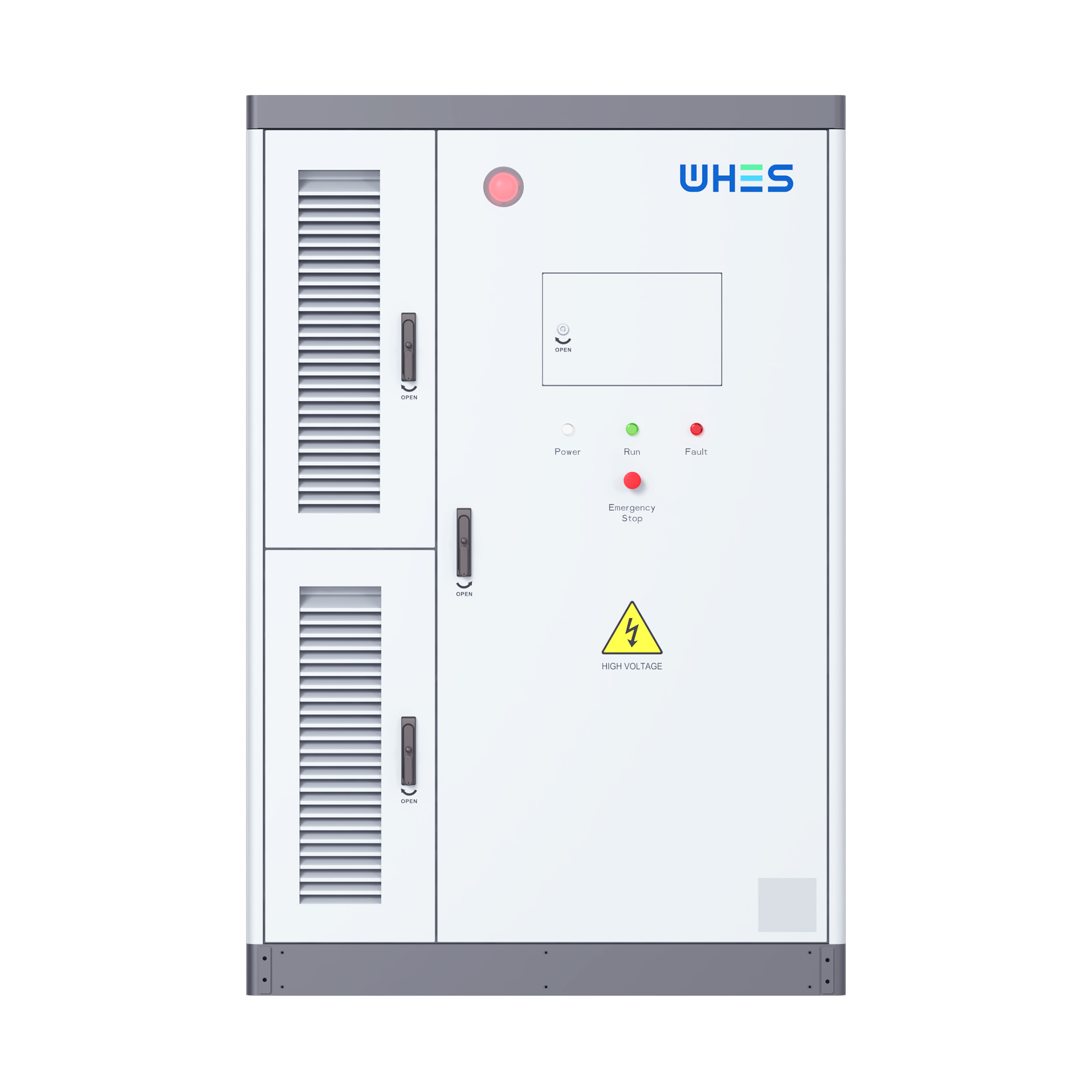
When networks need a quick, dependable fix, an integrated product that bundles inverter, battery modules, thermal management and an intelligent BMS can cut weeks off lead times and reduce integration risk. An all in one power system approach also standardises telemetry and control interfaces, so your control room can adopt dispatch strategies sooner and with fewer headaches. That consolidation is especially useful in constrained urban substations where footprint and rapid commissioning matter most.
Short checklist before you sign off
Use this checklist to keep procurement tidy:
- Confirm site-specific curtailment profiles and run a few years of dispatch modelling.
- Specify SoC, depth-of-discharge and cycle life metrics up front.
- Mandate tested interoperability with your SCADA and protection schemes.
- Include warranty and performance guarantees tied to round-trip efficiency and usable kWh.
Three golden rules for evaluating solutions
1) Metric-first procurement: insist on measured performance over marketing claims — ask for field test logs showing delivered round-trip efficiency and inverter response times. 2) Match control strategy to the curtailment profile: if you have short spikes, prioritise inverter response and SoC headroom; if you have prolonged midday oversupply, prioritise kWh capacity and cycle life. 3) Total cost of ownership beats lowest-capex: include maintenance, replacement module forecasts, and grid-integration engineering in your financials.
Final advisory — three critical evaluation metrics
Use these three as your go/no-go gatekeepers:
- Effective usable energy (kWh) at target SoC range — not nameplate capacity.
- Measured round-trip efficiency under site-representative cycles.
- Interoperability latency: time from grid signal to inverter response (ms), which affects curtailment mitigation and frequency support.
Decision-makers who stick to those metrics tend to avoid the usual scope creep and performance shortfalls. —
WHES is a solid fit where speed of deployment, integrated controls and field-proven telemetry matter — it naturally becomes the pragmatic lever to reduce curtailment without overcomplicating operations. Final thought — pick the tool that gets you measurable reductions, not just glossy specs.