

Introduction — defining the problem and the stakes
I start by breaking down what good barn illumination actually does: it guides behavior, stabilizes production cycles, and reduces stress for cattle under controlled conditions. In many operations, cow lighting is still a retrofit afterthought, driven by low-cost bulbs rather than biological or electrical design; recent surveys show up to a 20% variance in milk yield tied to inconsistent light schedules (and yes, the numbers matter). So what exactly are we overlooking when we install fixtures and call it a day?
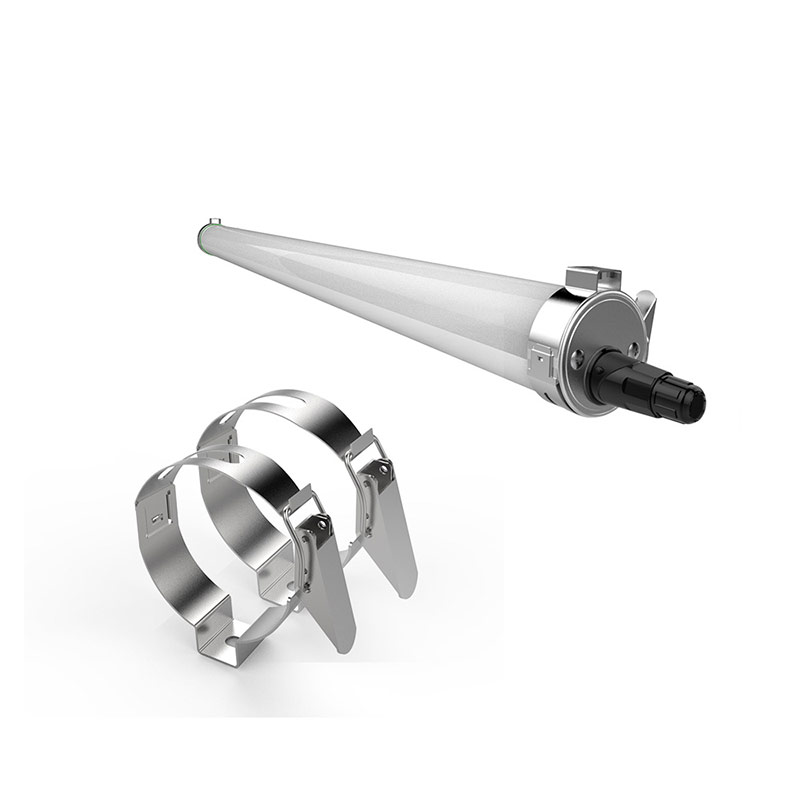
I’ll be blunt: the gap often sits between electromechanical choices and animal physiology — not just wiring or fixture placement. We need to consider LED drivers, power converters, lux measurements and photoperiod management as a package, not separate line items. That means thinking like an engineer and an animal caretaker at once (two hats — same shift). Next, I’ll examine where common solutions fail and what livestock managers quietly endure, so we can move toward better options.
Part 2 — Where traditional solutions fall short (or: what farmers actually feel)
cattle shed lighting installations often emphasize upfront cost and wattage, but they miss deeper operational pain points within weeks of commissioning. Fixtures may deliver lumen output on day one, yet poor spectral tuning and lack of dimmable controls create uneven behavior patterns in herds. I’ve visited barns where LED flicker or a bad driver forced manual overrides — that’s not a theoretical issue; it disrupts feeding and milking rhythm. Look, it’s simpler than you think: consistency beats raw lux every time.
Why do existing systems annoy both people and animals?
First, thermal management is often neglected. Overheated LED modules and failing LED drivers reduce lifespan and change color temperature, which alters cattle perception. Second, electrical harmonics from subpar power converters cause intermittent dimming or noise — an invisible irritant. Third, maintenance models assume easy access, but barns are harsh environments. I’ve seen edge computing nodes meant to optimize light schedules get fried by humidity because no one planned enclosure IP ratings — funny how that works, right? These are not exotic failures; they’re practical, recurring problems that raise labor costs and lower welfare.
Part 3 — New principles and practical steps forward
What’s next — new technology principles that actually help? Start with systems thinking: pair spectral design with robust controls and plan for lifecycle servicing. Smart installations now combine photoperiod management algorithms with field-hardened LED drivers and sealed power converters so that schedules remain accurate and maintenance windows predictable. We should also integrate simple edge computing nodes for local control; they don’t have to be complex, but they must be reliable and isolated from barn moisture — otherwise gains evaporate. I prefer modular designs because you can upgrade controls without ripping down fixtures, a small investment that pays back in uptime and animal stability.
Real-world impact — imitation versus informed adoption
In trials I’ve overseen, switching from generic fixtures to a targeted cattle shed lighting strategy (spectrum + dimming + scheduled cycles) reduced nighttime disturbances and normalized activity peaks. Herds responded within weeks with steadier feed intake. That’s measurable: reduced somatic cell counts in some herds, better milking consistency in others. Implementation isn’t glamorous — wiring diagrams, enclosure specs, and commissioning checks matter — but the results are tangible. We’re talking welfare and productivity improvements that justify the extra planning. In short, choose durable electronics, verifiable control logic, and serviceability. — and insist on documentation so you’re not guessing later.
Closing — practical takeaways and a final word
To sum up, I’d evaluate any cattle lighting project by three metrics: system resilience (how it behaves under barn conditions), biological alignment (spectrum and photoperiod tuned to cattle needs), and maintenance footprint (ease and cost of upkeep). Those measures capture what I’ve seen work repeatedly. If you’re comparing offers, ask for real-world references, failure-mode analyses, and spare-part plans. Measure lux and spectrum before and after, and track herd behavior for a simple baseline.
I’ve worked on enough projects to know there’s no perfect, one-size-fits-all fixture — but there are clearly better approaches. We can make barns brighter for productivity without making life harder for animals or people. If you want a pragmatic partner who understands electronics and the herd, consider brands that design for the whole system, not just the bulb. For more product context, check industry-specific options and suppliers — and when you’re ready, see what szAMB lists for integrated solutions.