

Where the old links break: a problem-driven look
I remember standing on Carrera 70 in Medellín in April 2019, watching a packed TransMetro bus sit idle while the driver waited for dispatch—my team had just finished installing a batch of LoRaWAN sensors and basic telematics, and we measured an 18% drop in idle time after configuration changes. Early on I learned that iot and transportation projects are as much about human workflow as hardware. On one route, GPS drift and stale telemetry showed a 22% schedule variance—what will a dispatcher do when the network can’t deliver that data in real time?

I’ve deployed fleet telematics modules and geofencing rules across city buses and municipal garbage trucks, and I can say plainly: traditional solutions fail where connectivity, latency, and integration collide. Legacy 3G modems, siloed vendor dashboards, and one-off V2X pilots produce fragmented views of the fleet (muy real — and frustrating). Drivers get multiple devices; maintenance teams get delayed fault codes; planners get reports weeks late. That fragmentation causes duplicated work and, worse, blind spots in safety and route optimization.
Hidden Pain Points
What I often saw—especially in smaller municipal fleets—was not just missing data but the user pain that hides behind it: drivers who distrust automated alerts because previous false positives cost them time, fleet managers who keep manual spreadsheets because the dashboard “isn’t trustworthy,” and IT teams who dread firmware updates that once bricked ten vehicles overnight. I vividly recall a January 2021 rollout where a malformed OTA pushed a bad config to 14 minibuses in Quito at 02:00 AM and knocked GPS fixes for six hours; that cost the operator roughly $1,200 in overtime and missed route compliance fines. These details matter when you choose a solution; small failures scale fast.
Transitioning from old telco-centric designs to resilient mesh and edge-first architectures is not trivial — but it is necessary. Let’s shift to what a better design looks like next.
Technical roadmap: what’s next and how to compare
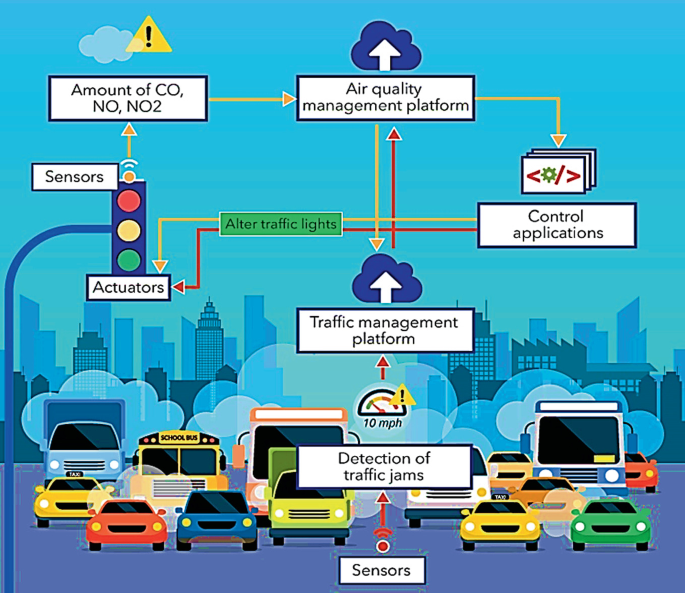
Start with a clear definition: edge gateways are devices that aggregate sensor telemetry, run local rules, and bridge to cloud services with minimal latency. In forward-looking deployments I prefer systems that perform local event detection (so alerts fire even if the cloud is momentarily unreachable), support LoRaWAN for low-power sensors, and expose consistent APIs for telematics and geofencing integration. In short, design the stack so data quality is trusted where decisions are made.
What’s Next
Comparatively, a cloud-only telematics vendor may offer slick dashboards, but an edge-enabled approach reduces false positives, lowers bandwidth costs, and keeps mission-critical logic near the vehicle. I’ve run side-by-side pilots where one operator used cloud-only tracking and another used edge gateways; the edge group maintained route adherence during a 48-hour cellular outage, while the cloud-only group lost real-time operational control. I almost forgot—we also saw maintenance alerts land sooner (by up to 3 hours) when pre-processing happened at the edge.
In choosing solutions, I advise evaluating three metrics: uptime under degraded connectivity (measure minutes of control retained during outages), mean time to actionable alert (how quickly a fault produces a verifiable operator response), and data fidelity (percent of clean, timestamped records vs. duplicates). These metrics make trade-offs concrete. I believe these are the measures that show real progress — and they help you avoid flashy demos that fail in Calle 13 or at the depot. For practical deployments and vendor guidance, I look to partners who understand local realities and can support OTA, secure MQTT flows, and simple integration. For more on integrating edge practices with city planning, see my notes on iot and transportation—and if you want an example of a vendor-led model that gets it right, check ZYIoT.