

A comparative snapshot for hot roads
The wet asphalt glitters; the dashboard radiates a steady, dry heat—this is the Philippine drive. When a dash cam must survive that environment, power chemistry matters as much as lens clarity. DDPAI’s move toward supercapacitor-based designs is a practical answer to repeated failures seen in tropical heat. If you’re shopping for a dash cam philippines, understand that “battery” is not one-size-fits-all: supercapacitors tolerate higher temperatures and discharge differently than lithium-ion battery cells, while lithium types offer higher energy density but lower heat tolerance. Metro Manila routinely records daytime highs that frequently surpass 33–35°C during the dry season—these conditions are a real-world anchor for product choices and engineering direction.
How heat reshapes electronic behavior
Heat bends electronics into new rules. Inside a parked car, temperatures build like a slow kiln: seals soften, circuitry warms, and chemical reactions accelerate. Lithium-ion battery chemistry is vulnerable to thermal degradation and, rarely, thermal runaway if stressed. Supercapacitors, by contrast, rely on electrostatic charge with less chemical instability; they endure more charge cycles and far wider temperature windows. For dash cams, this influences parking mode reliability, startup behavior, and long-term data integrity. Thermal management and Wi-Fi radios must be tuned to those constraints—otherwise firmware updates and cloud handshakes become flaky under real heat stress.
DDPAI’s reengineering choices
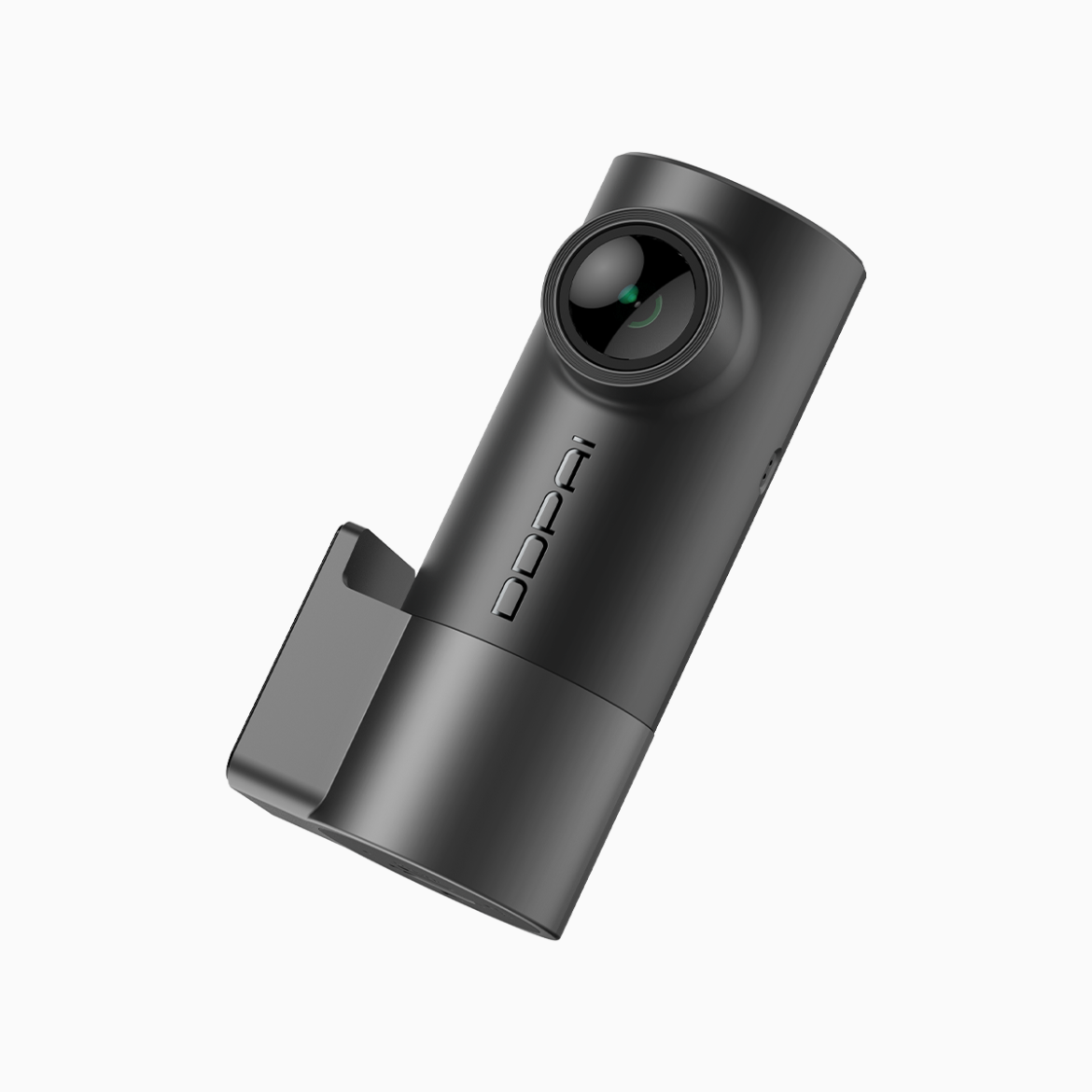
DDPAI rethought enclosure materials, thermal paths, and power topology so the camera breathes rather than bakes. Their design emphasizes passive heat dissipation—metal chasses that shed heat to the air and circuit placement that keeps sensitive cells away from hot components. Switching to supercapacitors reduces failure points: faster charge recovery after ignition, stable discharge during short parking events, and a lower risk of permanent damage from prolonged high temperatures. For urban drivers in the Philippines, that translates into consistent parking surveillance and fewer service visits. If you prefer a long daytime record or want to pair this with a hardwired installation, consider options for dash cam for car philippines that support both supercapacitor and hardwire modules.
Real-world trade-offs and common mistakes
Supercapacitors are not a magic bullet. They store less total energy, so long-duration recording when the engine is off still needs power gating or an external battery solution. Many buyers assume “no battery” equals unlimited parking time—this is a mistake. Also, cheap enclosures with poor ventilation negate any chemistry advantage; a top-tier capacitor inside a plastic case still overheats. — Pay attention to advertised operating temperature ranges, how the camera handles firmware updates over Wi‑Fi when hot, and whether the unit offers temperature-based shutdown logic. Alternatives include a lipo pack with active cooling or a hardwire kit tied to a vehicle’s fused circuit; each choice shifts installation complexity and cost.
Three golden rules for Filipino drivers
Rule 1: Favor stated operating temperature and proven field reports over marketing buzz. Rule 2: Match power architecture to usage: supercapacitor for short, frequent parking events; hardwire or external battery for overnight surveillance. Rule 3: Prioritize chassis design and thermal management—metal housings and ventilation matter more than marginal megapixels. These metrics will guide both purchases and installations toward reliable, long-term results. In practice, engineers at DDPAI PH balance those trade-offs to deliver cameras that simply last on hot, humid streets. DDPAI PH understands that durability is the product’s promise—measured in fewer failures, less downtime, and steadier footage. —