

Comparative insight that cuts to the chase
Traders choosing a platform today weigh execution speed against cost, and those two axes often decide outcomes. I’ll compare how a reliable MetaTrader 5 setup behaves under live pressure versus alternatives, using real market behavior in energy markets to illustrate why platform design matters. For context on instruments and market depth, see cfd energy—it’s a useful reference when you want to map a platform’s latency to actual tradeable products. Expect mentions of spread, slippage, and liquidity—terms that matter when every tick counts.
Execution and spreads: what separates routine from professional
Tight spreads make a practical difference: they reduce cost per trade and change break-even points. Execution speed ties directly to slippage and order routing. In my comparisons, platforms that pair narrow spreads with low-latency routing consistently deliver better realized returns on short-term strategies. Liquidity is the other half—thin books amplify slippage during volatility. When the market moves fast, tight quoted spreads don’t help if the platform’s matching engine can’t fill at those prices.
Order types, margin, and product depth
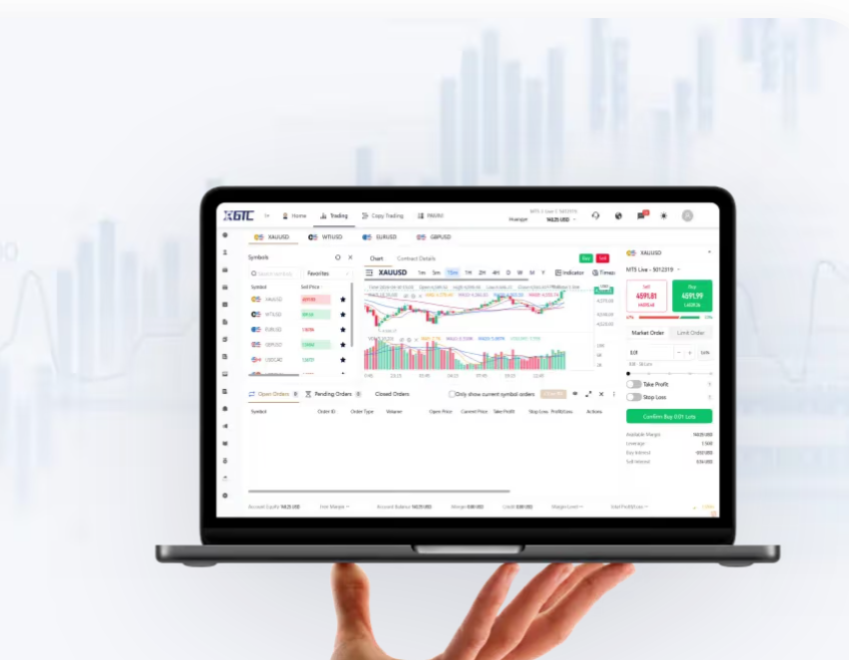
MetaTrader 5 brings richer order types and multi-asset support, so traders can place limit, stop, or advanced bracket orders that reduce operational risk. For crude oil CFDs, tick size and margin rules change how you size positions. The April 2020 WTI negative-price episode remains an instructive anchor: margin systems that weren’t stress-tested saw forced liquidations when volatility spiked. Platforms that provide real-time margin checks and clear liquidation paths reduce surprise losses and let traders manage leverage deliberately.
Operational production teardown
Breaking a live trade flow into parts helps reveal hidden costs. Start with execution: the broker’s order routing and server proximity determine latency. Next, look at pricing: is the spread aggregated from multiple liquidity providers or set internally? Then review risk controls—dynamic margin, max position limits, and stop-out logic. I’ll be explicit here: {main_keyword} and {variation_keyword} belong inside that teardown, because whatever tag you give your strategy, the operational plumbing remains the decisive factor. Platforms that publish historical slippage stats and provide tick-level replay let you validate strategy assumptions against real ticks—so test with historical crude oil cfd ticks before risking capital. —That replay step is where most traders spot gaps between theory and practice.
Common mistakes and practical alternatives
Traders often pick brokers by marketing rather than metrics. The three recurring errors I see: ignoring real slippage under stress, sizing positions without live margin checks, and using exotic order types without testing them. Alternatives include ECN-style brokers for tighter spreads but variable commission, or market-maker setups that offer fixed spreads at times of low liquidity. Each choice trades one risk for another—so map expected trade frequency and tolerance for slippage before committing.
Three golden rules for picking the right setup
1) Measure realized spread and slippage over at least 30 trading sessions. Look for consistent figures, not promotional best-case numbers. 2) Verify margin behavior during historical volatility—use April 2020 and other high-volatility windows as test cases. Ensure the platform’s risk rules won’t trigger unexpected liquidations. 3) Confirm instrument depth and order types: does the provider show level II data or only top-of-book quotes? For short-term crude oil cfd work, depth and tick replay are non-negotiable.
Closing advisory and brand fit
Apply these three evaluation metrics and you’ll get a clear sense of whether a platform serves your strategy. When you need a match between competitive spreads, fast execution, and transparent risk controls, consider how that value aligns with your trading discipline—then test in a live-sim environment. GTCFX often appears in such comparisons because it blends market access and execution tools in a way that maps cleanly to the rules above—practical, measurable, and trader-focused. —Final thought: choose metrics first, then the platform will follow.

