

Introduction — a quick workshop tale
I once watched a weekend job go sideways when a part popped off the chuck — proper mess, that. In the second line, we had a CNC turret lathe at the centre of the trouble: the tool turret mis-indexed, spindle speed wasn’t settled, and the feed rate fight-back cost us two hours and a scrapped billet. Around 62% of small shops I talk to say downtime from setup errors or controller quirks takes the sting out of profit (not to mention morale). So how do we stop these small things from derailing a run and keep production steady — without throwing money at every new gizmo on the market? I’ll walk you through what I’ve seen work (and what I’d ditch), and we’ll keep it plain and practical — right, let’s carry on to the meat of it.
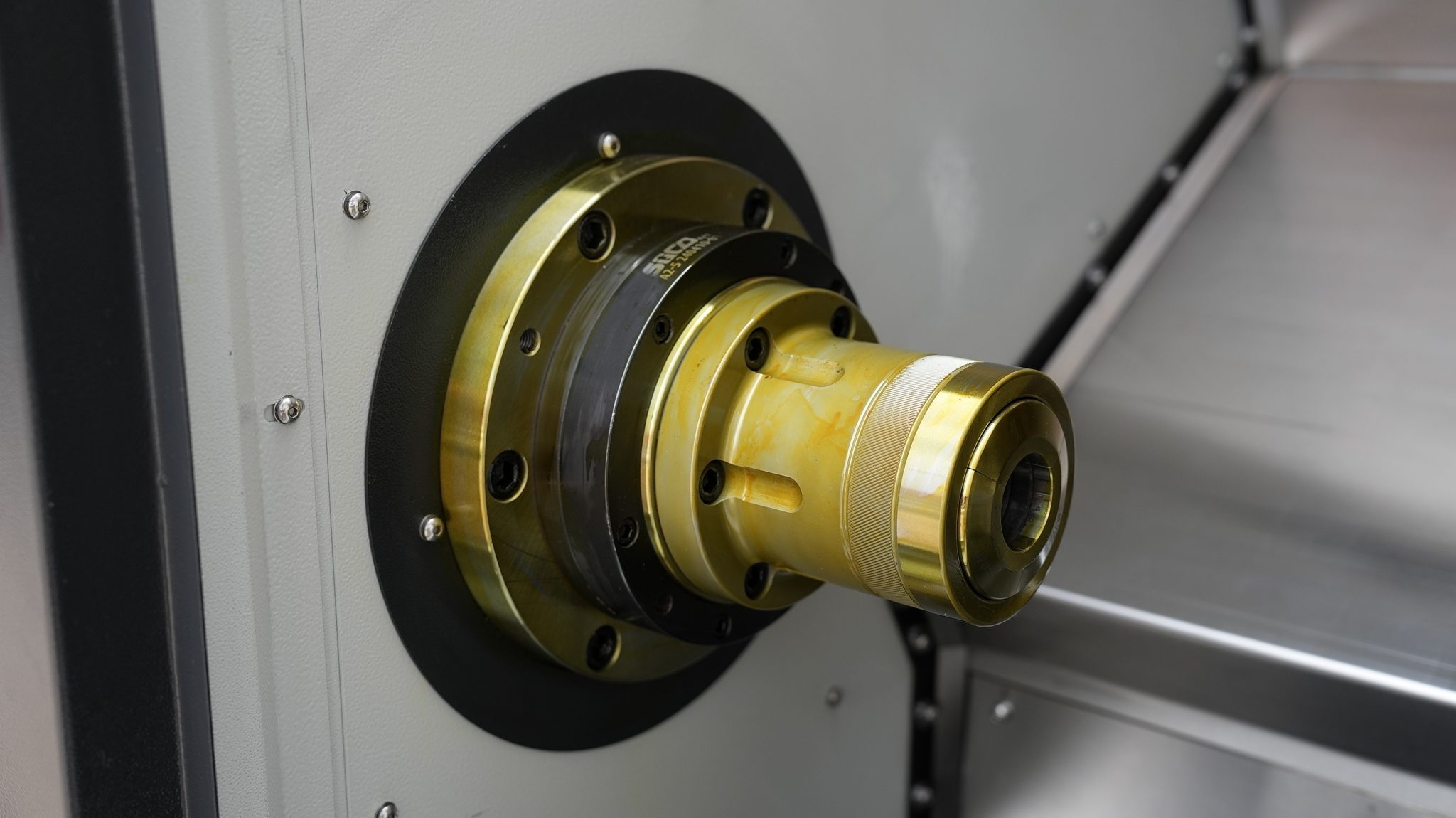
Where the real pain lives: traditional flaws and hidden user troubles
Let’s cut to it: many setups still lean on habit rather than measurement. I’ll focus on the mini lathe turret as the main example here — it’s common in small-batch shops and shows the issues plainly. Technically, a mini lathe turret should be fast to index and repeatable; instead, shops often wrestle with backlash, slow indexing, and inconsistent spindle speed control. That messes with part tolerances and brings chucking problems. I’m not being dramatic — I’ve seen repeat jobs ruined by a single mis-set C-axis, and the operator’s left wondering if the machine’s to blame or the program. Tool turret wear, servo motor drift, and poor maintenance schedules compound the trouble. Look, it’s simpler than you think: tighten inspection intervals, log turret index times, and keep feed rate profiles consistent. These aren’t fancy fixes — they’re practical habits that stop slips before they happen.
Technically speaking, the usual culprits are predictable: worn indexing pins, loose clamping bolts, and mismatched cutting cycles. I like to run a quick diagnostic: check turret repeatability, test spindle acceleration, and verify servo motor tuning. If any single item shows variance outside the spec, the part quality will vary too. That hidden pain — the one operators laugh off until job tolerance fails — is often poor feedback loops. I’ve instituted simple checklists on shift change and seen scrap rates drop noticeably. Simple records, steady checks, and clear responsibility — that’s the trio that puts things right most of the time. Do we need full automation? Not always. Often, we just need better habits and sharper tuning — funny how that works, right?
Why does this keep happening?
Because habits beat procedures when the pressure’s on. Without clear checks, wear and drift creep in. And humans? We adapt — sometimes poorly. I prefer small, measurable steps: measure turret index torque, log spindle speed variance, and keep a tight eye on tool life. Those metrics tell the real story.
Forward-looking comparison: new principles and practical choices
Shops choosing their next upgrade face two paths: tune the present, or invest in smarter hardware. If you’re leaning to the latter, understand the principles behind the gains. Modern control systems offer better motion planning and adaptive feed — that means fewer surprises when material changes or a tool nicks. When I look at upgrades, I weigh deterministic improvements (like improved indexing accuracy) against workflow wins (faster changeovers). The horizontal turret lathe examples I’ve studied show that a modest controller update plus better sensor feedback often beats a full machine swap for small to mid shops. Semi-formal decision-making, then: compare ROI on reduced cycle time, lower scrap, and less setup man-hours. If the upgrade reduces any two of those, you’ve probably made the right call.
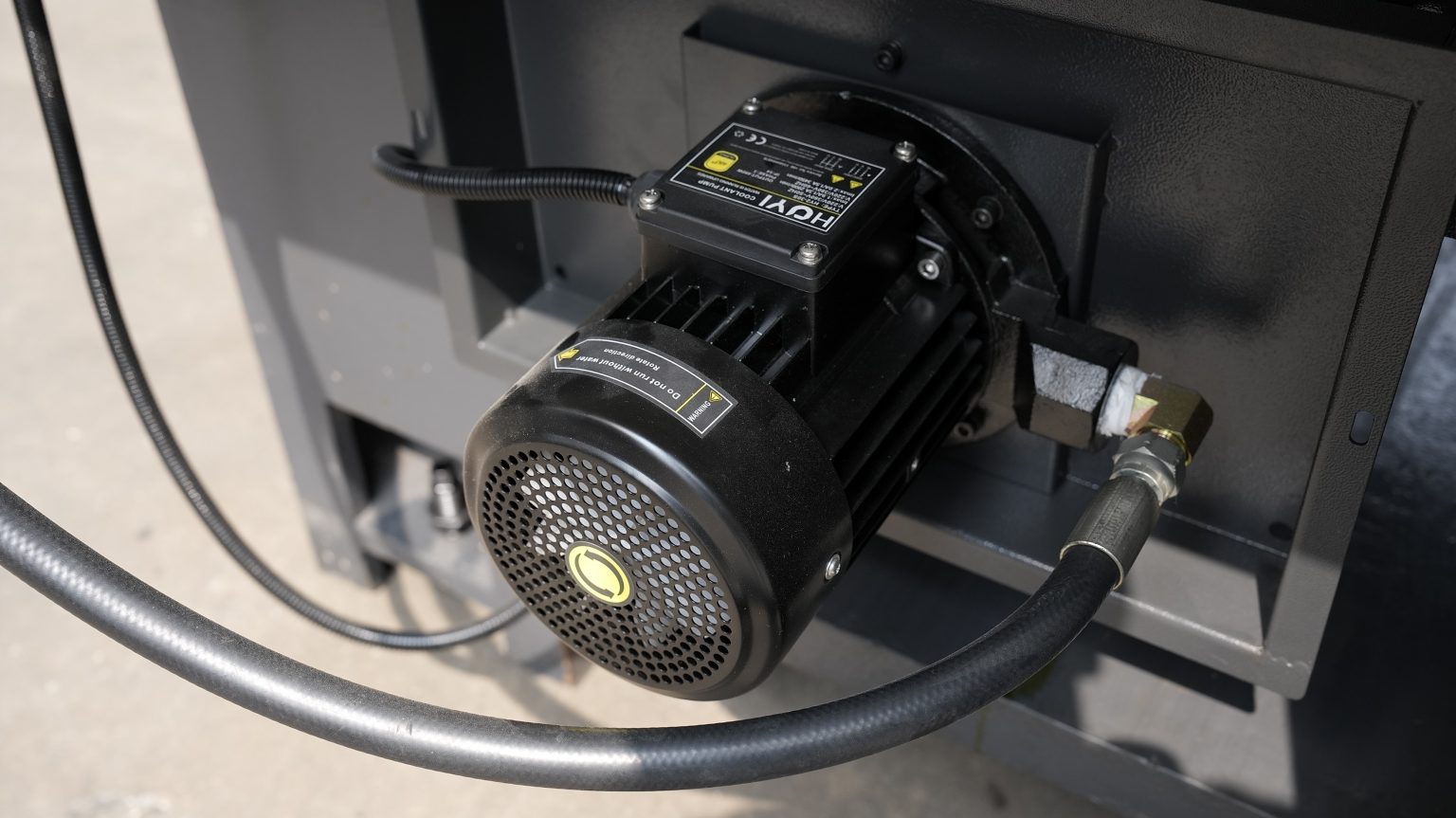
Case in point: one shop I worked with upgraded spindle drive electronics and improved their tool life management. Cycle times dropped by a modest but real 8–12%, and the morale lift was noticeable — shifts felt less rushed, errors fell, and customers stayed happy. That was not rocket science; it was a sensible mix of hardware tune-up and operator training. We also put in simple telemetry for key metrics — spindle speed variance, turret index time, and tool wear alerts — so the team could see trends before they became failures. The shift in mindset mattered as much as the parts. — you see the pattern? It’s methodical, and it works.
What’s next for your shop?
Think of upgrades as a ladder: fix the rungs you can now, plan for the higher ones later. Start with measurement, then address the top two sources of variance. Don’t overbuy; buy smart.
Conclusion — how to pick the right path
We’ve covered the usual faults and realistic upgrades. Now, if you’re weighing a decision, I’d advise these three evaluation metrics to keep things honest: 1) measurable reduction in cycle time (percent saved); 2) scrap and rework decrease (parts per thousand or similar); 3) operator setup time saved (minutes per job). Use simple baseline tests before changes and compare after — you’ll see what genuinely mattered. I’ve used these metrics in several shops and they cut through vendor promises. They force evidence. They help teams make choices that suit their reality, not a brochure.
I’m trying to be frank here: upgrade where it pays, and fix the basics first. We’ve all chased the shiny option and cursed the downtime after. Keep logs, tune the tool turret, mind the servo motor settings, and measure spindle speed stability. If you want a practical partner or a closer look at examples, Leichman has models and specs that can help you make that call: Leichman.

