

Introduction: A New Pace for the Stage
Big shows are moving faster than ever. Laser Light Systems now sit at the heart of that shift. Picture a city festival where drones, projection mapping, and a synchronized laser display system all lock to timecode, while weather and crowd data adjust scenes on the fly. Across recent seasons, lighting teams aim for sub-10 ms control latency and tighter safety margins. Budgets follow that intent, and so do expectations—more layers, less fuss. So what helps you keep pace without burning the crew or the gear?
Here’s the rub: most wins come down to choices you make before load-in. You need a plan and a toolkit that reduce friction, not add it. The practical path is simple in idea, tough in detail (it doesn’t have to feel that way). This piece shares a comparative lens to help you spot the leverage points, avoid hidden traps, and build confidence for your next rig. Let’s set the baseline, then move to what’s changing next.
The Deeper Layer: Where Traditional Laser Rigs Slip
Where do legacy rigs fall short?
Legacy control chains often rely on pure DMX512, long cable runs, and manual timing. That stack works—until it doesn’t. Small drifts add up: galvo scanners heat, beam alignment shifts, and you get micro flicker where you least expect it. Safety interlocks can be twitchy when vibration or humidity spikes. Older power converters waste energy at partial loads, which shortens diode life and forces more cooldowns. And when beam divergence isn’t managed with proper beam shaping optics, you fight brightness and safety limits at the same time—funny how that works, right?
Look, it’s simpler than you think: the weak link is usually the handoff between subsystems, not the laser module itself. A modern laser display system needs tight integration across timing, optics, and power. Without edge computing nodes close to fixtures, you’re at the mercy of console jitter. Without clean safety chains, E-stop loops can add latency or nuisance trips. And without good diagnostics, you chase ghosts during soundcheck. The result is stress on operators, longer reset times, and shows that don’t scale as promised.
Comparative Outlook: Principles Powering the Next Wave
What’s Next
The shift ahead is less about adding raw wattage and more about smart control. Systems are moving to hybrid protocols (sACN/Art-Net plus timecode) with onboard buffering to smooth jitter. Fixtures with embedded processors pre-filter frames and optimize scan paths, which reduces visible flicker and load on galvo scanners. Newer power stages use higher-efficiency power converters with active thermal profiling, so output stays stable over a long cue stack. Auto-cal via internal sensors and simple target markers trims alignment time. And safety interlocks are getting smarter with better fault isolation—so one hiccup doesn’t drop the whole grid.
In practice, that means your rig can carry more cues with less stress. You’ll see tighter color mixing, cleaner corners on logos, and fewer last-minute “why is it buzzing?” moments. When paired with professional laser lights, these control advances unlock calmer workflows and stronger visuals. The vibe is clear—designers can push more moments per minute and still keep compliance in check. Not louder for the sake of it, but more precise. More reliable. And yes, more future-proof.
Side-by-Side Takeaways and How to Choose
We covered how old chains drift, where integration closes gaps, and why control principles matter more than just wattage. So if you’re choosing your next system, use three metrics that keep you honest (and fast):
1) End-to-end performance: Measure latency and jitter from console to beam, under full load, aiming for sub-10 ms and stable frame rates.
2) Safety and compliance depth: Verify audience-scanning tools, safety interlocks, and logged fault handling; test recovery behavior on purpose.
3) Lifecycle efficiency: Check power efficiency at partial loads, thermal management, and mean time to diagnose; remote logs save hours—days, even.
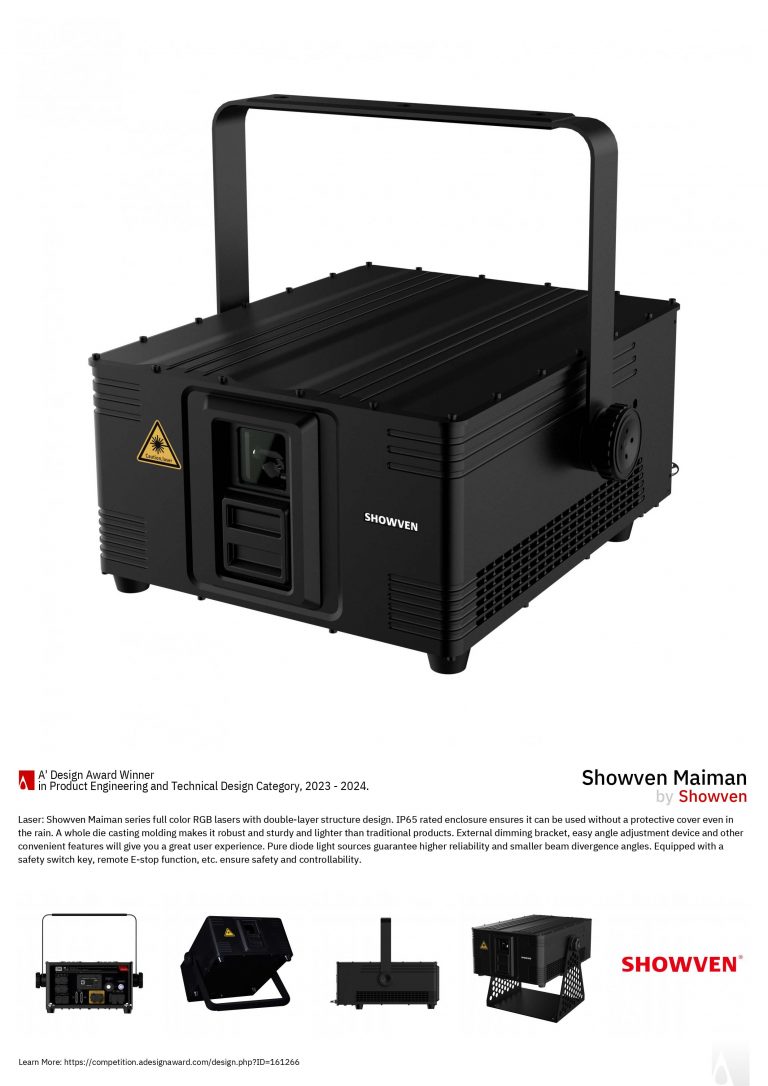
Make those checkpoints routine, and you’ll feel the difference show after show—fewer surprises, better pacing, happier crews. That’s how you get the most from your next laser display system and set up the team to grow. For a practical benchmark on these ideas, look to partners who build with integration in mind, like Showven Laser.