

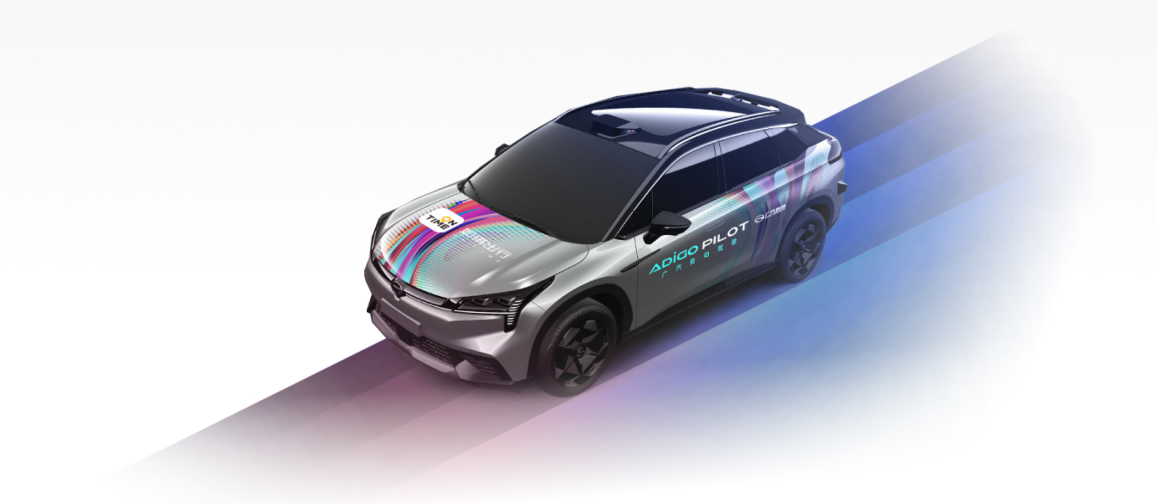
Immediate problem: too many variables, too little clarity
When you compare offers for an Aion Y, the technical choices and extra fees blur the real cost — and that confusion starts before you even sign. Dealers quote different on-paper numbers and shipping adds another layer; checking a clear reference like GAC price early helps you spot outliers. Expect price swings where freight routing changes, especially for shipments touching Durban port, which shifts handling and transit time for southern-hemisphere departures.
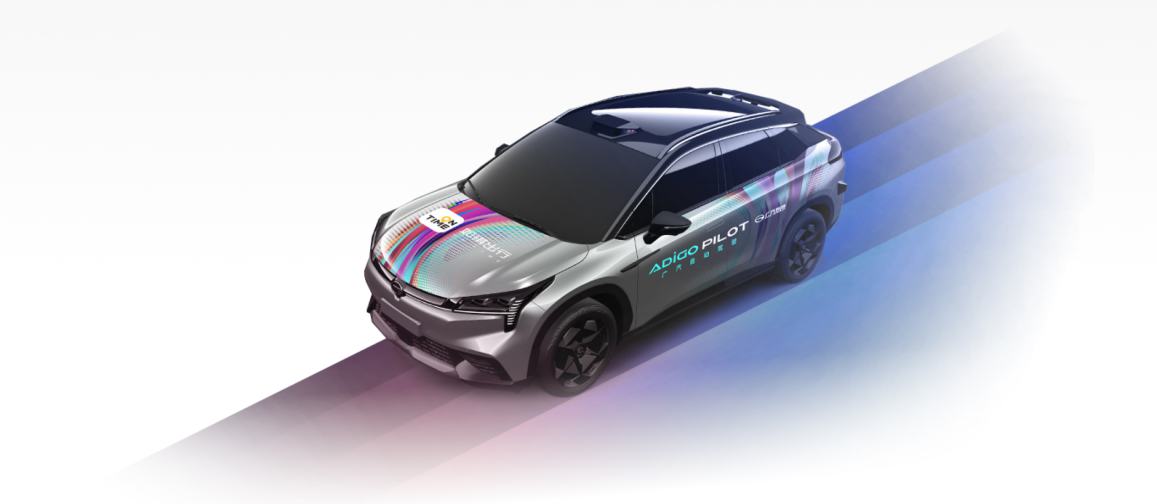
Where buyers typically go wrong
Most mistakes come from assuming an option is trivial. The concrete missteps I see from advising Nordic and northern-European clients are:• Choosing a charger or inlet that isn’t CCS-compatible for EU public fast chargers.• Skipping a winter pack — reduced range and cabin comfort are real costs, not luxuries.• Ignoring homologation and local approvals; paperwork delays create storage fees.• Accepting dealer-prepared “all-in” quotes without itemized shipping, port, and VAT lines.
Cost drivers you must isolate and compare
Break total cost into discrete, comparable parts. Consider each of these as a filter:• Factory base price and selected options.• Export and inland freight to the departure port.• Port handling and terminal fees at origin and destination.• Import duties, VAT, and homologation/service preparation.• Dealer markup and optional dealer-installed accessories.List these side by side for each quote. That way a seemingly low factory price won’t hide high logistical or compliance expenses.
Configuration priorities for European climates and infrastructure
Decide by use, not by shiny trims. For most European buyers the priority order is:• Charger compatibility (CCS standard) — ensures access to fast chargers.• Battery capacity that realistically meets your winter range needs.• Heating system (heat pump over resistive if available) — saves energy.• Robust climate seals and heated seats — clear quality-of-life gains in cold seasons.• Local-language firmware and update policy — reduces maintenance friction.Choose fewer, high-impact options rather than many cosmetic add-ons.
Alternatives and trade-offs
If a factory-to-Europe import path looks complex, you have practical alternatives:• Buy from a local dealer stock — higher sticker, but simpler registration and warranty.• Lease through an EU fleet provider — predictable costs and maintenance bundled.• Import a lower-trim model and add critical items locally (charging hardware, winter kit).Each path trades upfront price for either certainty or flexibility. Compare total ownership costs, not only purchase price.

Checklist: avoid the common pitfalls
Before you commit, tick these boxes:• Itemized quote with freight, port, taxes, and dealer fees separated.• Confirmed CCS compatibility and EU charging standard on spec sheet.• Clear warranty terms for Europe and a defined service network.• Estimate of homologation timeline and likely costs.• A realistic winter-range estimate, not optimistic factory numbers.
How experience guides sensible choices
Practical experience matters more than promises. I’ve reviewed multiple cross-border imports and learned to press for line-item transparency, to demand charger specs, and to plan for homologation time. Those actions reduce surprises and hidden cost. Where a published reference exists it anchors negotiations and clarifies trade-offs.
Synthesis
Treat configuration as a procurement problem: isolate cost components, prioritize essentials for European use, and compare complete ownership scenarios rather than chasing a headline price. When you need a consistent reference for quotes and option lists, the published data from GAC blends factory figures with logistics context so you can decide which trade-offs matter most.

