

Why Smart Lighting Choices Matter Right Now
Great lighting can rescue a room in seconds. When you work with a bespoke lighting company, you move from guesswork to intent. Picture a hotel lobby that feels flat at 5 p.m., then alive by 7 p.m.—all from tuned beam angles and clean dimmer curves (yes, that fast). Design surveys often show that over half of guests judge a space first by how it looks and feels under light. So why do so many projects still settle for generic fixtures and hope for the best? With bespoke lighting solutions, you shape the scene around the people, not the other way around. You can dial lumen output, match CRI, and align drivers and power converters to the brief. The question is simple: what path gets you control without risk or rework? Let’s break it down and step beyond surface-level picks into choices that hold up on day one—and day one thousand.
The Hidden Flaws in Traditional Fixtures
Where do legacy specs fall short?
Most legacy packages are built for “okay, everywhere.” That sounds safe, but it is why rooms feel the same from noon to midnight. Off‑the‑shelf troffers and cans often ignore glare index, dimmer curves, and beam layering. They wash walls but starve focal points. They dim, but the color shifts. And because control is an afterthought, DMX512 or DALI scenes fight with poor constant current drivers. Voltage drop sneaks in across long runs, and thermal management is treated like a footnote. Look, it’s simpler than you think: generic kits optimize inventory, not experience. That is the root flaw.
This is where bespoke lighting solutions reset the pattern. They start from tasks and sightlines, then match photometrics to use. Beam angle sets hierarchy. CRI protects material tone. IP rating manages real-life wear. Power converters are sized to avoid flicker and noise, even at 1% dim. Controls run on clean maps—no spaghetti. If you add smart sensors or edge computing nodes later, the system still holds. The aim is less “more lumens,” more “right lumens, right place.” In short, you cut glare, improve uniformity where needed, and keep visual drama where it matters. That is how users feel calm and alert, not dazzled or drained.
Comparative Outlook: What Moves the Needle Next
What’s Next
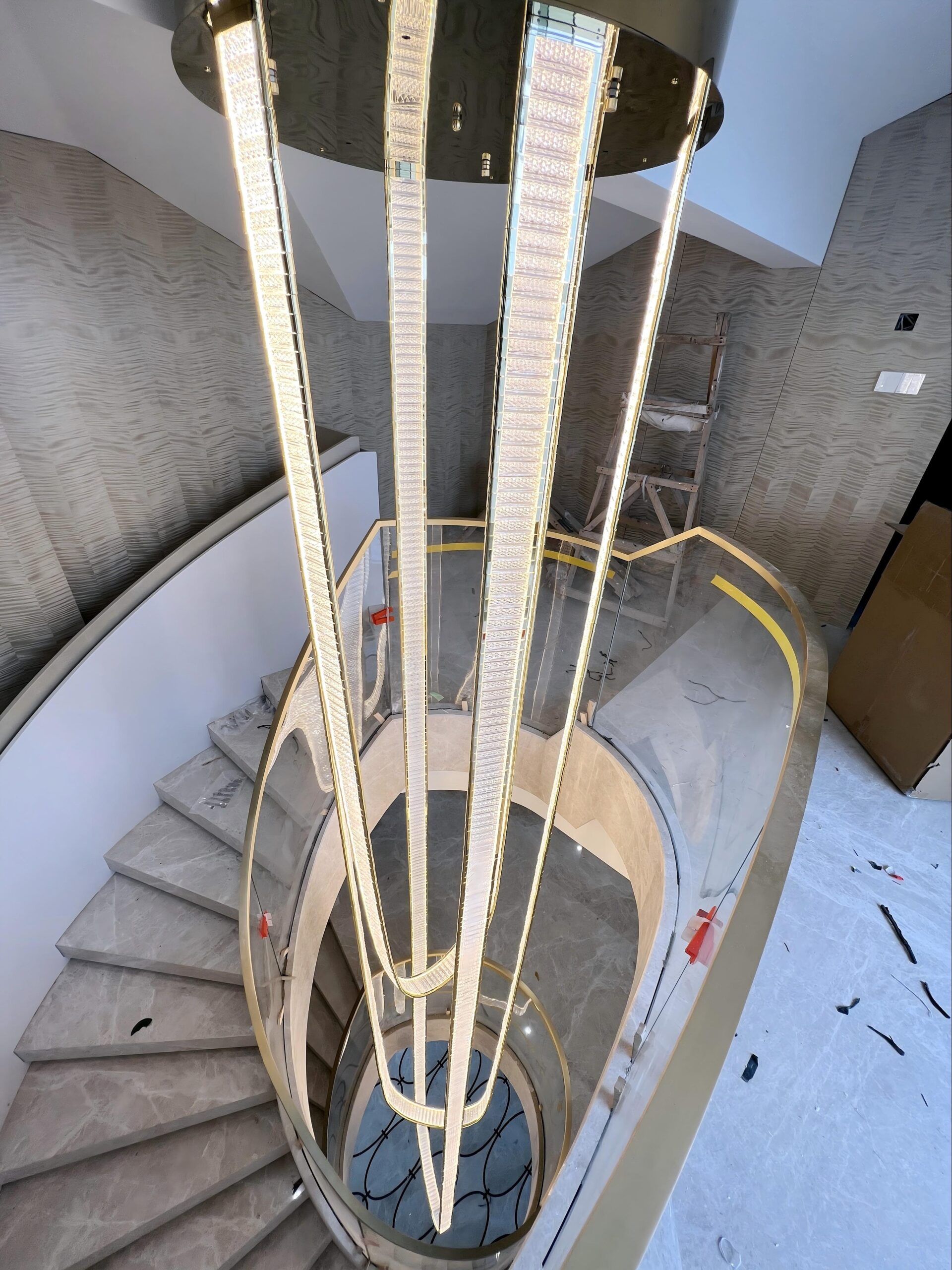
Let’s compare near-term wins with future-ready steps. Today, a well-specified custom pendant light can do more than decorate. It can anchor a table, carve a pool of warm 2700K, and keep sightlines clean. Pair it with quiet drivers, and your dim-to-warm stays smooth across scenes. Now project forward. Scene logic will improve with better sensing, lighter protocols, and safer updates. Your fixtures will speak fluently to control gateways, not just obey. Thermal design will extend LED life. And your power budget will shrink through tuned schedules—funny how efficiency follows clarity, right? The comparative edge isn’t shiny hardware; it’s a system that keeps promises under change.
So, what should you measure before you buy? First, photometric fit: confirm beam angle, lux targets, and CRI with real mockups, not just a PDF. Second, control integrity: stress-test DMX512 or DALI scenes for low-end fade, color stability, and handoff with sensors. Third, lifecycle ROI: model driver life, maintenance access, and cleaning for at least five years—maintenance is design. When these three checks pass, you get consistent light, lower glare, and predictable energy use. You also leave room for tomorrow’s logic without ripping ceilings. That’s the quiet win—built on clear specs, not hype. For steady guidance grounded in real projects and practical detail, see kinglong.