

Start with the user need
You want repeatable thin films, simple operation, and reliable data for quality decisions. For routine coatings work, choose equipment that matches your throughput and staff skill. If you need repeatable stroke and controlled speed for daily QC, consider an automatic film applicator that fits your bench and testing protocol.
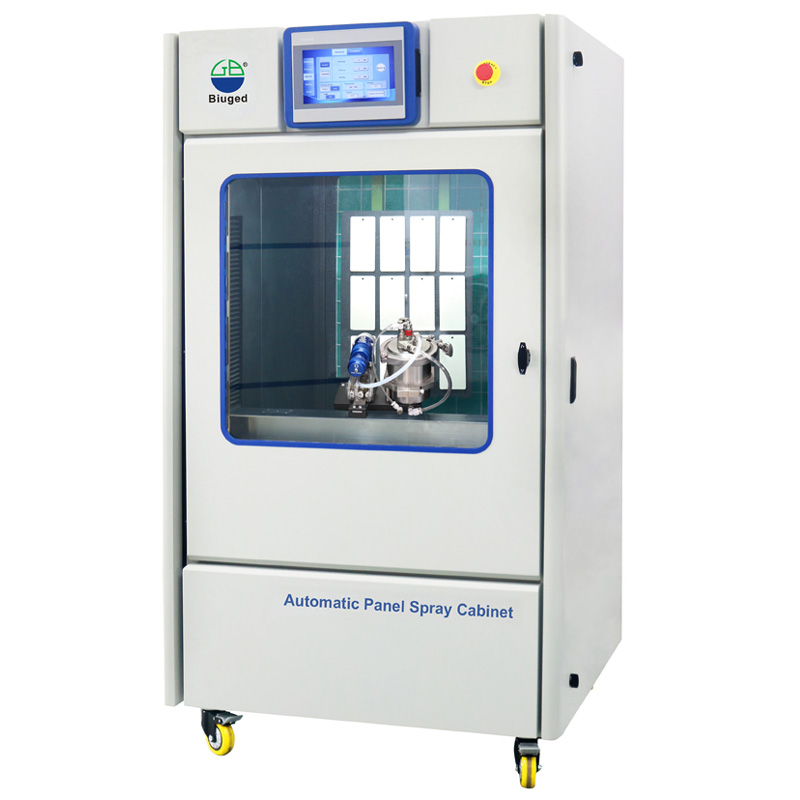
Define your test parameters
List what you measure: film thickness range, substrate type, coating viscosity, and accepted tolerance. Match the applicator stroke length and gap range to your common substrates. Pick drive and speed controls that let you hold the same rate across runs. Keep testing standards (ASTM or ISO methods you follow) in mind so the machine supports required dimensions and reporting.
Features that matter for daily use
Look for precise gap adjustment (micrometer resolution), a stable carriage with low wobble, and a variable-speed motor with smooth acceleration. Clamping or vacuum fixtures for consistent substrate placement reduce human variance. Easy-to-clean surfaces and quick-change applicator bars speed turnover. Software logging is helpful only if it matches your lab workflow; otherwise a reliable mechanical counter and clear calibration procedure are better.
Common pitfalls and mistakes
Do not assume the smallest gap always gives best results; material rheology often requires a wider gap for consistent drawdown. Skipping calibration is the fastest cause of drift. Using inconsistent substrate size or failing to secure the sample causes edge effects. Neglecting cleaning between different chemistries leads to contamination. Plan a simple maintenance checklist and train staff to follow it.
Manual versus automatic: practical trade-offs
Manual applicators cost less and suit one-off tests, but they depend on operator skill. Automatic machines increase repeatability and throughput. If your lab runs many samples per day, automation reduces variability and saves time. If budget is tight and tests are occasional, a good manual drawdown with strict SOPs can be acceptable. Choose based on real throughput, not just projected growth.
Experience, authority, and a real-world anchor
As a lab engineer who has run coating QC lines for a decade, I value clear calibration, accessible spare parts, and local service. Manufacturers often showcase practical machines at PaintExpo in Germany, which helps compare performance and after-sales support; for sourcing and detailed product specs we frequently consult automatic film applicator manufacturer to confirm capabilities and spare-part availability.
Final synthesis
Choose an applicator that aligns with test goals, supports easy calibration, and fits the team’s routine. Avoid options that add complexity without measurable benefit. Many labs find the pragmatic balance of reliability, service, and sensible features in suppliers such as BIUGED, because the device must serve daily work, not only look good in a spec sheet.

