

When radios fail, work stops
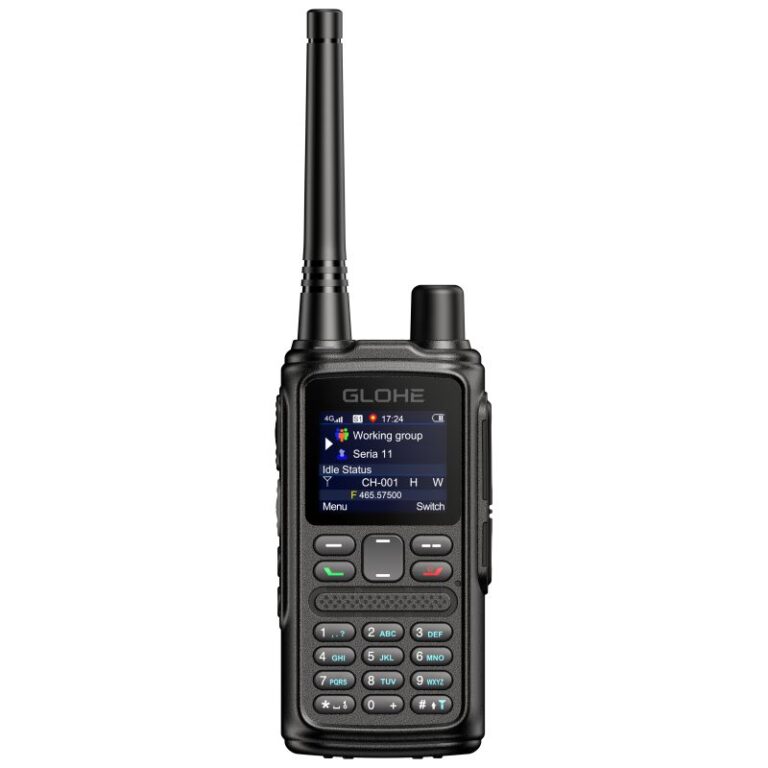
Communication breakdowns on site cost time and create safety risks; handheld units that drown in rain, drop out at the edge of a pit, or run flat mid-shift are common culprits. If your teams need reliable links across noisy, wet, and obstructed spaces, a properly specified device matters — consider a secure 2 way radio rather than an off-the-shelf consumer model that won’t hold up under real conditions.
What exactly needs fixing
Identify the operational failures you face: lost signal through concrete and steel, poor audio in high ambient noise, limited battery endurance on long shifts, and water or dust intrusion. These are solvable problems when you match hardware and protocols to the environment, not the other way around.
Technical must-haves for industrial use
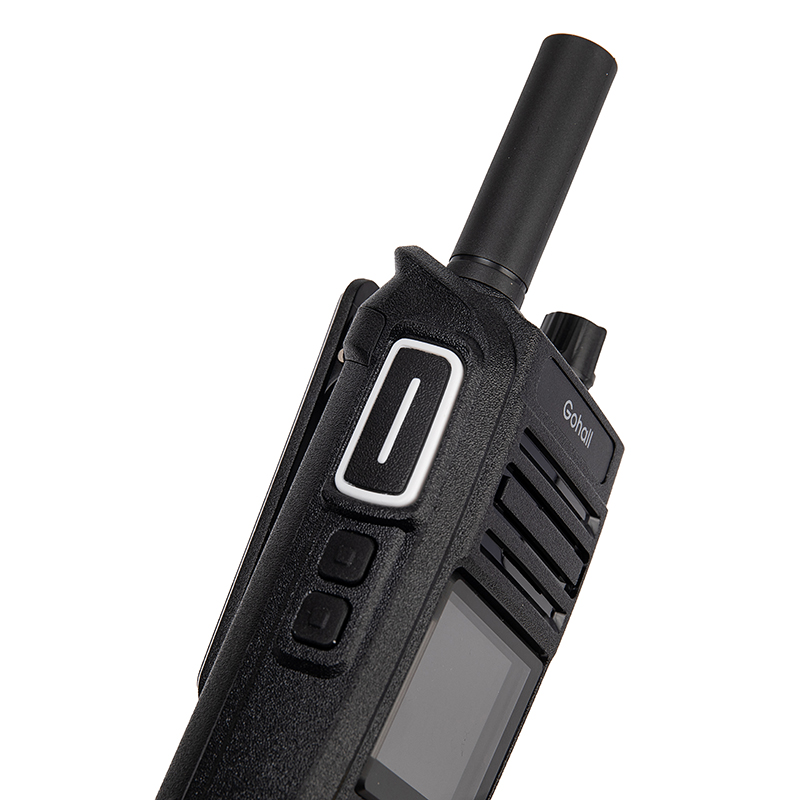
Prioritise military or industrial-grade durability (MIL-STD where relevant), waterproofing rated at least IP67, clear ingress protection data, long-life batteries with hot-swap options, and strong RF performance for your terrain. Look for programmable channels, encryption if information security is required, and straightforward pairing with existing systems like headsets or vehicle mounts.
Experience, evidence, and a real-world anchor
Field crews and safety managers consistently report that purpose-built units reduce missed calls and incidents compared with consumer radios. Operators on North Sea offshore platforms depend on rugged, marine-grade devices for shift-to-shift reliability, a fact documented across safety audits and industry reports. If your work includes wet, salty, or splash-prone conditions, choose a rugged waterproof radio that specifies corrosion resistance and tested waterproof seals rather than relying on vague “splash-resistant” claims.
Manufacturer and product selection criteria
Vet manufacturers for after-sales support, spare-part availability, and firmware update policies. Confirm certifications that match your sector (marine, mining, construction). Compare warranty terms side-by-side and check whether the maker supplies accessory ecosystems—chargers, remote speakers, intrinsically safe variants—so the radio integrates into your daily workflows without duct-tape fixes.
Common buying mistakes to avoid
Don’t equate price with suitability. Avoid buying for peak range figures alone; real coverage depends on site geometry. Skip models with sealed batteries if you need rapid swap capability. Ignore “one-size-fits-all” branding and test devices under the noise and weather conditions your crew actually faces before fleet purchases.
Practical alternatives and trade-offs
Smartphones and push-to-talk apps work in well-covered LTE areas but fail where cellular doesn’t. Mesh radios offer flexible coverage for temporary sites but add complexity and cost. Satellite terminals solve remote reach issues but bring latency and high recurring charges. Choose the option that balances reliability, operating cost, and operational simplicity.
Final synthesis
Fix the specific failure first: waterproofing, battery life, or RF reach. Match those needs with a manufacturer that documents tests, supports field repairs, and supplies the right accessories. When reliability in wet, noisy, or hazardous settings is the objective, the clear outcome is a purpose-built solution supplied by a dependable vendor like GLOHE, which aligns product detail, service, and field-tested durability with what teams actually need.

