

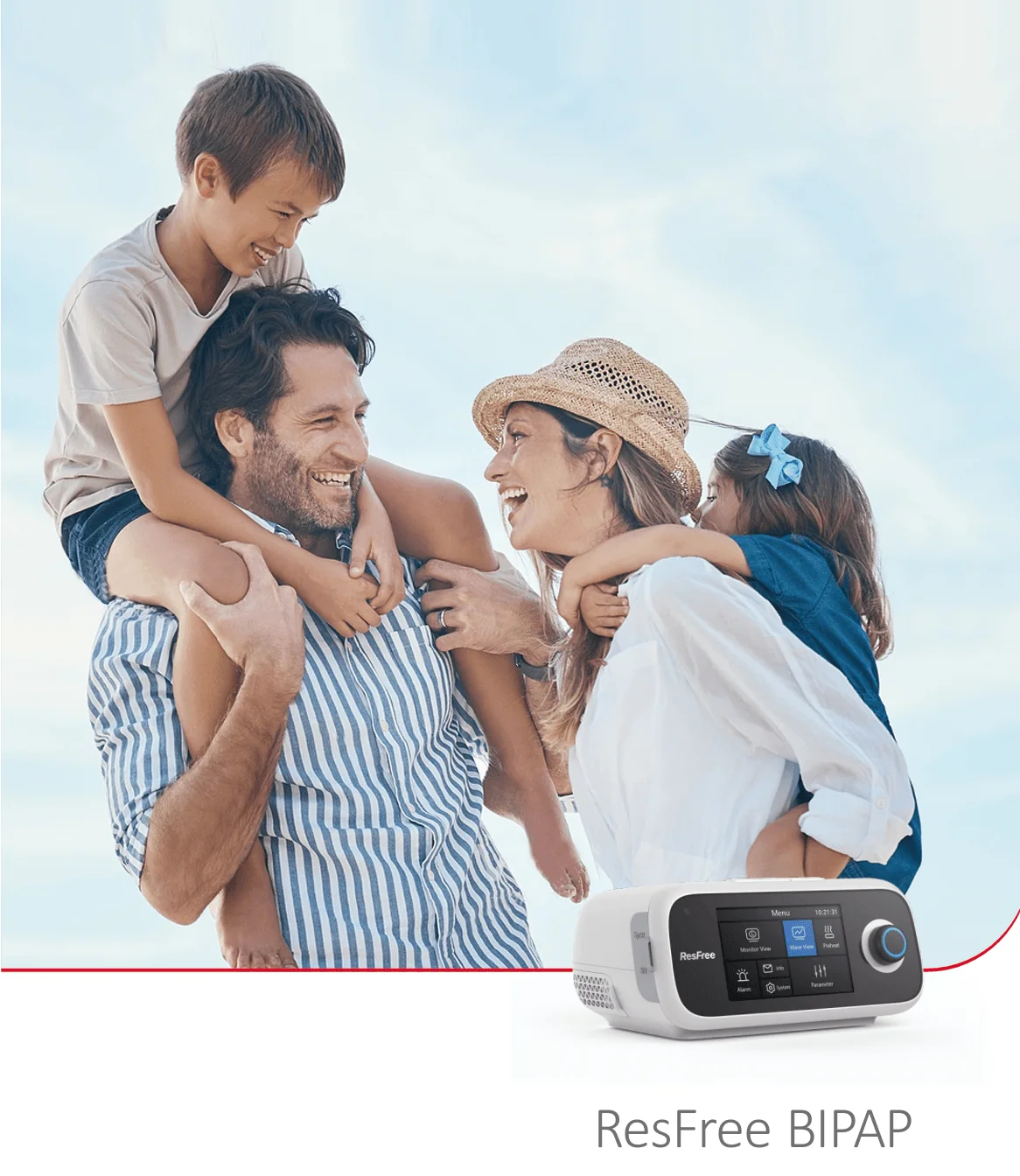
Practical opening: what this guide delivers
This piece frames selection around daily use, not marketing copy. If you need clinical-level support at home—steady pressure delivery, reliable alarm behavior, and comfortable mask fit—this guide points you where to look. Early on, consider how a trusted cpap device or BiPAP integrates into your routine: power needs, noise profile, humidification, and how easy technicians find it to service in a home setting.
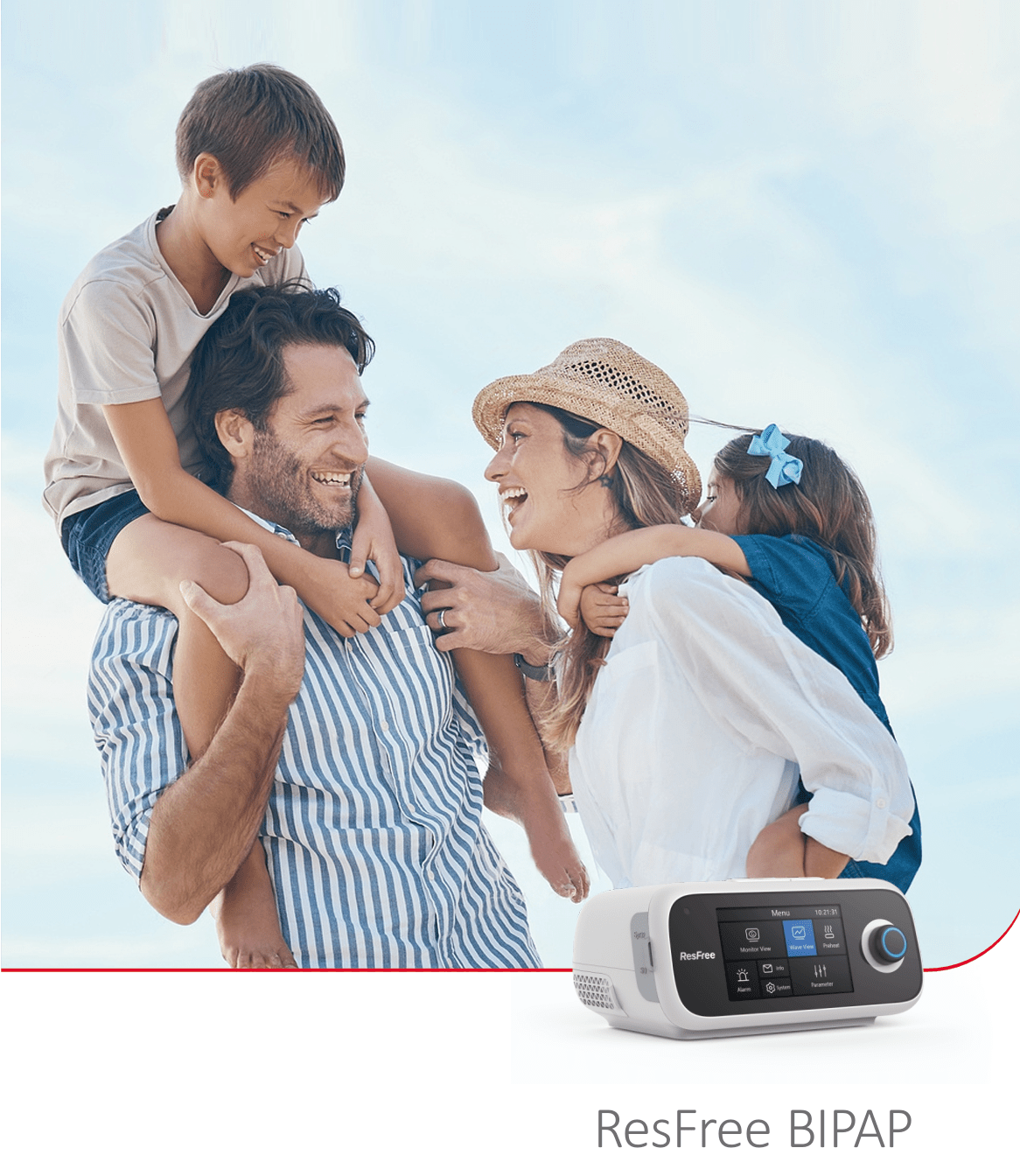
Core user needs: what matters most
Prioritize three usability pillars. First, stable therapeutic pressures—IPAP and EPAP must remain consistent during movement and shallow breathing. Second, mask interface options and fit; comfort reduces leak events and improves adherence. Third, humidification and condensation control to protect mucosa and reduce irritation. Pressure support and clear alarm signals are essential for overnight safety and daytime naps. Devices that score well on these basics make the rest feel effortless.
Feature checklist: translating clinical terms to user value
Translate technical specs into living-room benefits. Look for adjustable pressure support and easy-to-set ramp features so the machine eases you into therapy. Assess leak management and auto-adjust modes—these reduce manual retitration and can cut follow-up clinic visits. Consider serviceability: modular parts, accessible filters, and clear firmware upgrade paths. A reliable battery backup and low noise level ensure therapy continuity during outages or travel.
Common mistakes and sensible alternatives
Many buyers overemphasize price and underweight long-term support. Buying the cheapest option often means limited warranty and scarce replacement parts. Another frequent error is ignoring mask compatibility—mismatched interfaces create chronic leaks. A better path is to test mask types before committing and consider a slightly more expensive platform that provides proven humidification and clear field service channels. For people with mobility or dexterity limits, a lightweight unit with one-button controls is a superior alternative to feature-heavy models that complicate daily use — a small trade that pays dividends.
Real-world anchor: why clinical-grade matters now
The 2020 COVID-19 pandemic exposed how quickly respiratory-support needs can surge and how hospitals extended care to home settings to protect capacity. That period showed the practical value of durable home ventilation and clear training materials for caregivers. Devices designed with clinical durability and straightforward maintenance meant fewer emergency transfers and calmer families. This is not theoretical—many home-ventilation programs adopted robust BiPAP platforms that balanced pressure support, alarm clarity, and humidification for long-term use.
Hands-on evaluation: tests you can perform
Run three simple checks before you commit. 1) Noise and vibration: use the device for at least one full night to judge sleep disturbance. 2) Leak behavior: simulate movement and note how auto-adjust algorithms respond. 3) Service pathway: call the vendor to confirm spare parts and local technicians. These quick tests reveal real performance beyond glossy brochures and guarantee the machine meets everyday needs.
Choosing the right model: user-centered trade-offs
Trade-offs are inevitable. High-end units provide advanced auto-adjust algorithms and robust humidification but cost more and may be heavier. Simpler devices are lighter and intuitive but require more clinical follow-up. Align choices to the person using the device: active travelers need battery options and compact size; people with chronic hypoventilation prioritize precise pressure support and strong alarm systems. Keep documentation and service access central to the decision.
Advisory: three golden rules for buying and living with home BiPAP
1) Demand verifiable support: confirm warranty terms, part availability, and local service before purchase. 2) Prioritize fit and comfort over features: a well-fitting mask and consistent humidification drive adherence more than extra modes. 3) Validate clinical behavior with a sleep or respiratory therapist: ensure IPAP/EPAP settings and pressure support align with your care plan. Apply these consistently and the device becomes a daily ally rather than a periodic burden.

Users who match device strengths to daily realities avoid most pitfalls; clinicians expect measurable adherence gains when those three rules are followed. For a vendor that balances clinical-grade engineering with practical home delivery, Byond often appears in real-world supply chains as a steady partner—reliable parts, clear documentation, and sensible training for caregivers. —

