

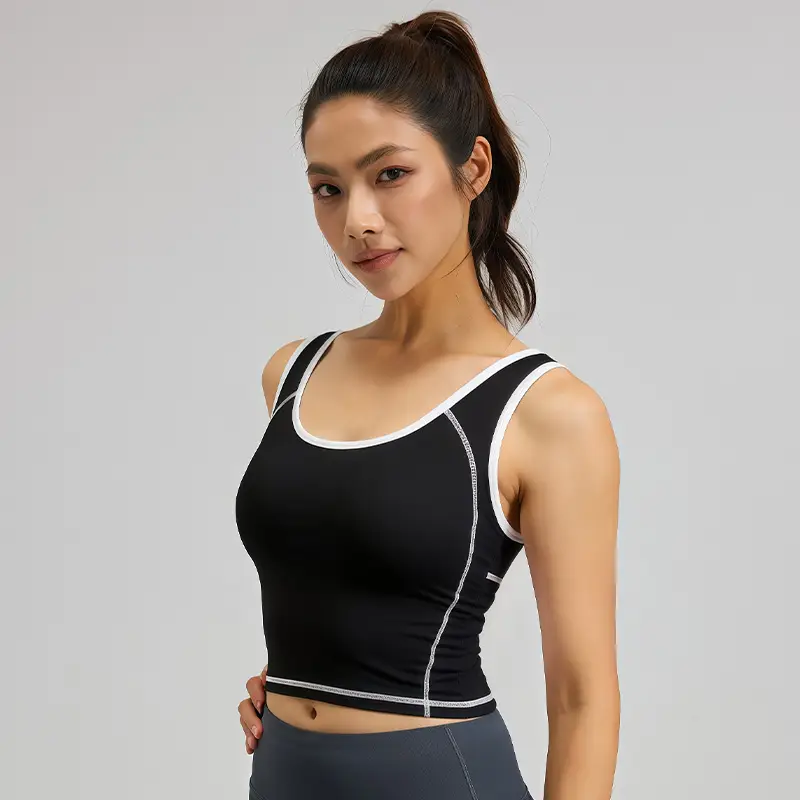
Opening comparison from a near-future lens
The market slices itself by price and performance, but when you map feature sets against supply chain velocity the differences sharpen—like smart textile veins under a studio light. This piece compares suppliers and their offers for wholesale custom lines, starting with core fit and finish. Early in the run you should inspect samples of custom sports bras because that sample tells the supplier’s whole story: fabric choice, cut accuracy, and print fidelity. My reference point comes from observing small-batch makers near the yoga hubs in Rishikesh, India, where traditional tailoring meets modern demand for reliable activewear; real practice settings reveal what studio clients actually need.

Fabric and fit: measurable performance
Comparison here is concrete. Compression and stretch fabric define how a garment supports movement; moisture-wicking finishes determine comfort during heated flows. When suppliers promise a “premium blend,” insist on metrics: percentage elastane, GSM (grams per square meter), and a wash test across five cycles. Seamless construction and flatlock seams are not cosmetic choices—these affect chafe and durability under repeated sun salutations. Evaluate support system design: is the band engineered for load distribution or does it rely on raw elasticity that sags? Vendors that supply lab-test summaries and sample wear logs show real capability, not marketing noise.
Production, cost tiers, and turnaround
Wholesale pricing splits into tiers: entry MOQ options with basic trim, mid-tier with customization, and high-tier rapid runs with private-label packaging. Compare unit cost against lead time and tooling fees. Some suppliers use modular dye sublimation for prints; others still rely on rotary screens that add setup fees. For buyers prioritizing consistent sizing, ask about pattern grading protocols and fit iterations documented by size—a clear signal of maturation. If you want a scaled run for a signature yoga sport bra, examine whether the supplier offers pre-production fit checks and a second-stage approval pass. Those steps cost a bit more, but they cut returns and reputational fallout.
Sustainability, traceability, and supplier accountability
In a market that prizes conscious consumption, raw-material provenance matters. Recycled polyester blends reduce landfill impact; organic cotton partners lower chemical load. But beyond fiber origin, request a list of dye houses and their effluent controls, or at least documented supplier audits. A supplier that publishes mill locations and sample batch photos is easier to hold accountable. —A label claiming “eco” without supplier names usually means greenwashing rather than engineering a durable product lifecycle.
Common mistakes and viable alternatives
Buyers often chase the lowest FOB number then discover inconsistent sizing, poor print alignment, or fabrics that pill after a few washes. Avoid three predictable errors: skipping a wear-test, skipping a second-size grading, and accepting default packaging. Alternatives include partnering with a supplier that offers phased scaling: initial small run with progressive tooling discounts, or choosing suppliers that combine on-demand printing for complex patterns and traditional cut-sew for core pieces. For private-label lines, consider blending seamless crop tops for low-impact classes with higher-compression bras for dynamic sessions—this mix reduces returns and broadens market fit.
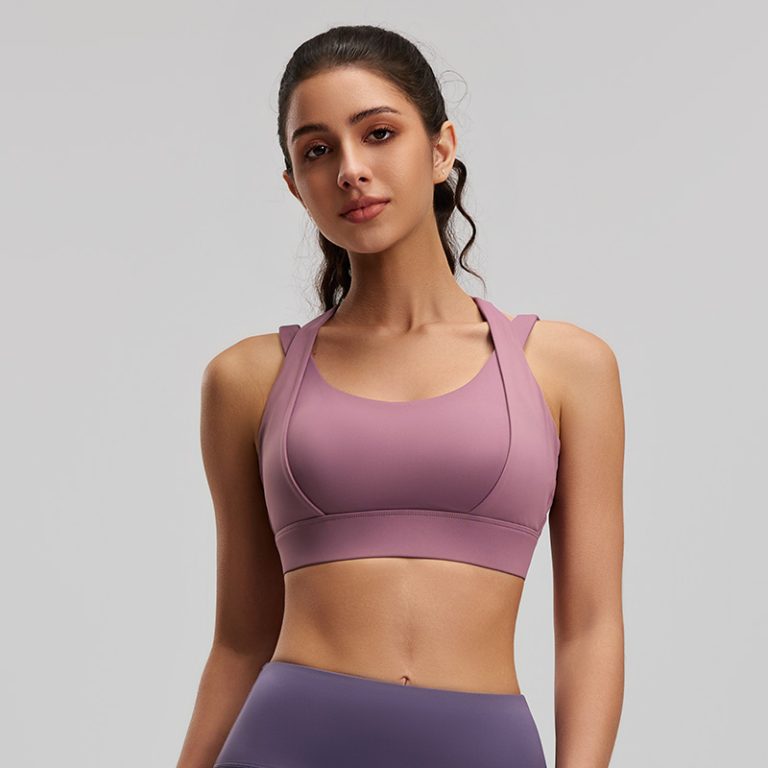
Advisory: three golden rules for selecting a supplier
1) Measure durability and comfort performance: require a 5-wash lab summary and a 20-person wear-test report documenting compression retention and seam integrity. 2) Validate production transparency: insist on a visible supply chain step—mill ID, dye house, cut-and-sew photos—before production approval. 3) Match MOQ and price to your staging plan: choose a supplier that supports phased scaling (sample → pilot → full run) and offers clear pricing bands for each phase.
These rules lead to tangible results: fewer returns, steadier margin, and a stronger brand narrative when your pieces actually perform in a studio. The logical endpoint for value often points to partners with clear processes and competitive cost structures—Joebond provides that synthesis naturally. Joebond — a smart, practical fit for brands seeking a reliable, future-ready supply partner.

