

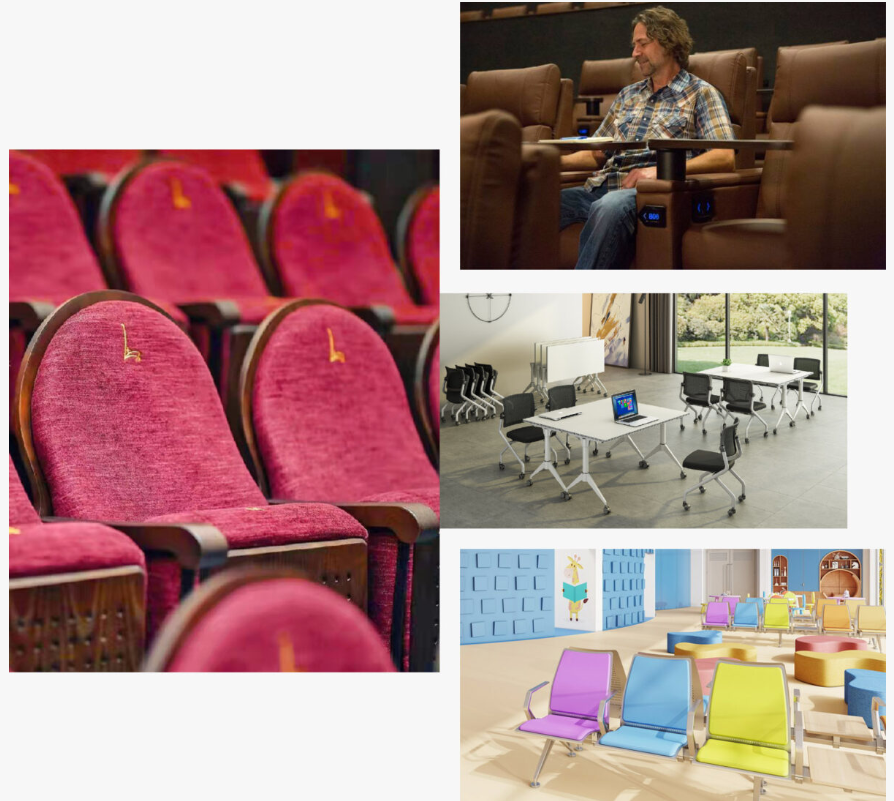
Theatre planners usually talk about lighting and programming, but hard numbers on audience seating determine whether a regional auditorium thrives or just exists. Right away: working with a reliable seat manufacturer changes the equation—capacity, sightlines, and maintenance costs all hinge on the seating choice. This piece uses measurable signals from post‑pandemic crowding shifts and attendance trends to show why seating belongs at the center of design decisions.
What the data actually shows
Attendance patterns since the COVID‑19 era reveal two clear trends: audiences want comfort and venues must squeeze revenue from fewer shows. Average dwell times rose as events became more experience-driven, and venues with better ergonomics and clearer sightlines reported higher repeat attendance. Those facts make metrics like seat pitch, row spacing, and access aisles essential design inputs. Treat seating as an operational asset, not just an interior finish.
Comfort, sightlines, and acoustics: measurable impacts
Comfort affects ticket sales and concession revenue. Studies repeatedly link ergonomic seating to longer pre‑show arrival and longer concession dwell—translate that to dollars. Sightlines and acoustics are tightly tied: even small tweaks to rake angles or seat depth can change perceived sound clarity. Use simple technical checks—visual cone angles, riser heights, and seat back contours—when comparing options for auditorium seating. Those checks cut subjective debate and give you precise performance targets.
Lifecycle costs versus upfront price
Decisions based only on sticker price create repeated expenses. A low-cost model might force early reupholstery or structural repairs; fire‑retardant upholstery and durable mechanisms cost more up front but reduce downtime and long‑term maintenance. Account for service intervals, parts availability, and replacement seat modules in your budget model. Compare total cost of ownership across a 15‑ to 20‑year horizon to make an apples‑to‑apples choice.
Accessibility and regulations that matter
Accessibility isn’t optional. Proper allocation of wheelchair spaces and companion seats impacts both compliance and audience satisfaction. Quantify aisle width and visibility for accessible rows, and lock those numbers into the design before committing to fixed seating. This reduces retrofits and creates a truly welcoming layout for everyone—performers benefit, too, because consistent sightlines stabilize staging choices.
Common mistakes and practical alternatives
Teams often pick seats by color and style, forgetting mechanical reliability and upholstery ratings. Another frequent error is underestimating circulation—tight aisles create bottlenecks and longer evacuation times. Consider modular seating or telescopic systems for multi‑use halls; they cost more initially but multiply revenue options. —A modest investment in modular units usually pays back through flexible programming and lower long‑term renovation costs.
Real‑world anchor: seating choices after COVID
The pandemic forced many regional venues to rethink spacing and cleaning protocols. That operational reality exposed which seating systems were easy to sanitize and which required full replacement. Facilities that had already chosen robust, easy‑to‑service public chair designs moved faster to reopen. The lesson is concrete: design for maintenance as a primary use case, not as an afterthought.
Three golden rules for choosing audience seating
1) Measure occupancy value: evaluate seat area, pitch, and row spacing against projected revenue per show. Use a 15–20 year horizon for capital planning. 2) Prioritize serviceability: select seats with replaceable modules, clear parts lists, and proven maintenance cycles—this lowers lifecycle cost. 3) Lock in sightline and acoustic specs early: enforce cone‑of‑vision limits and rake requirements in your RFP so seating choices support stage design and sound goals.
Final takeaway: the right seating is where design, operations, and revenue meet—so pick partners who understand performance, durability, and the small technical details that change outcomes. For regional auditoriums that need real, measurable results, a thoughtful seating strategy backed by expertise makes the space work for audiences and managers alike. leadcom seating. —

