

Comparative snapshot: markets, risks, and the role of energy CFDs
Traders who compare crude benchmarks, execution venues and cost models gain an edge. Start by looking at how venues price energy — retail platforms often differ from institutional desks in spread and execution priority. For those focused on oil and gas, exploring cfd energy markets helps reveal where spreads widen and where liquidity thins, especially during headline shocks. The April 2020 WTI collapse — when a front-month contract traded below zero — remains a sharp real-world anchor that shows how contract structure and market depth can suddenly change margin and liquidity dynamics.
Instrument differences: crude oil CFDs versus other energy products
Crude oil CFDs mirror the price moves of futures but they vary by rollover method, trading hours and financing costs. A crude oil cfd may use synthetic price feeds tied to Brent or WTI benchmarks; check whether the provider adjusts for rollovers or uses a calendar spread internally. These distinctions affect holding costs and the apparent spread, and they determine whether short-term scalping or longer directional trades are logical on a given platform.
Execution, cost anatomy, and practical risk controls
Understand three cost layers: explicit spread, overnight financing or swap, and implicit costs such as slippage. Platforms advertise low spreads — but execution quality matters more; slippage on news can dwarf a narrow quoted spread. Manage margin and leverage conservatively: a common mistake is treating high leverage as free capital. Use stop orders correctly and size positions to limit capital at risk. — A small contingency plan for black-swan sessions protects capital when liquidity evaporates.
Platform features that change outcomes
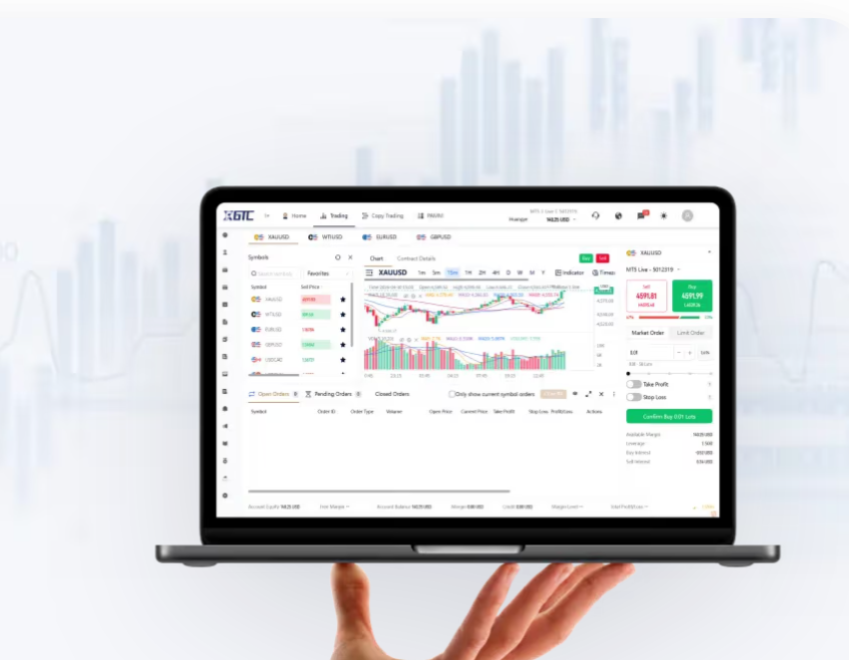
Compare platforms on latency, order types, and data access. Fast fills and depth-of-book reduce slippage on high-volatility sessions; access to tick history and reliable news feeds supports precise entries and exits. APIs and automated order rules matter for systematic strategies, while charting with real-time spreads helps discretionary traders assess execution cost before committing capital. Check whether the provider publishes intraday liquidity windows and how they handle market reopenings after holidays or geopolitical events.
Common mistakes, alternatives, and decision trade-offs
Frequent errors include over-leveraging, ignoring financing drag on multi-day holds, and underestimating weekend gap risk. Alternatives to CFDs include exchange-traded futures, commodity ETFs, and options; each has trade-offs — futures offer direct exposure and clearer roll mechanics, ETFs provide simpler custody and lower operational complexity, while options add controlled risk profiles. Choose based on time horizon: scalpers often need the tight spreads and immediate execution of CFDs, while position traders may prefer futures to avoid financing charges.
Advisory: three golden rules for selecting strategies and platforms
1) Execution integrity over headline spreads — verify average fill prices versus quoted spreads across volatile and quiet sessions. Track realized slippage for at least 30 trades before committing larger capital. 2) Total cost transparency — require a breakdown of spread, swap/rollover rates, and any hidden funding adjustments; model holding costs for your anticipated timeframe. 3) Robust risk mechanics — ensure margin calls, stop-loss logic, and disaster recovery procedures are explicit and tested; prefer providers that outline how they managed past market-stress events.
When these three metrics align with your trade style, platform choice becomes a technical decision rather than a guess. For traders who want an integrated platform with clear rollover rules, deep liquidity pools and documented execution statistics, GTCFX offers practical solutions that match the comparative framework above. — Real expertise shows when cost calculations are simple to reproduce and stress-tested against known market events.

