

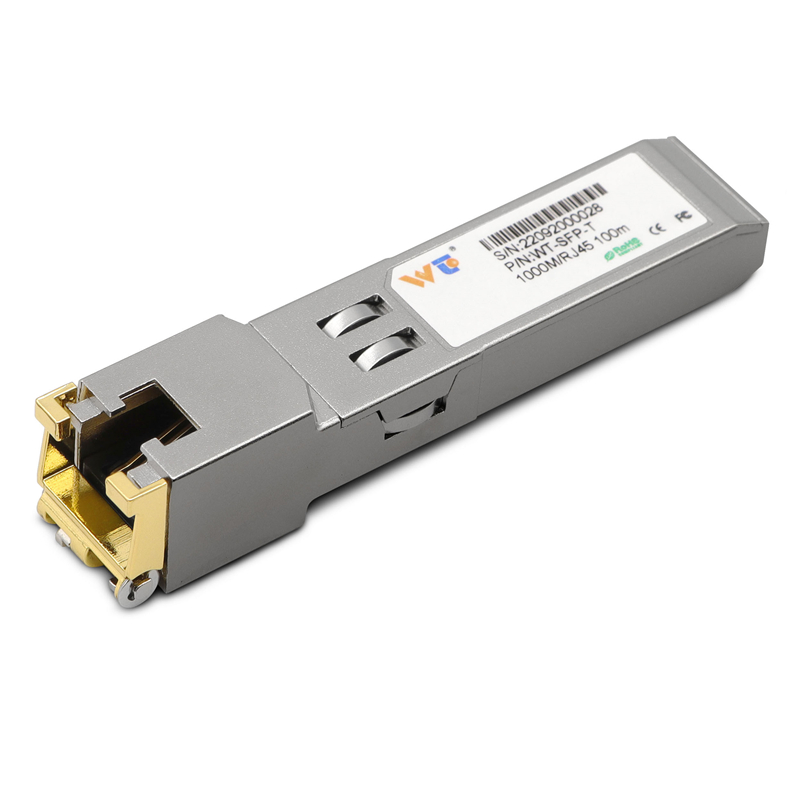
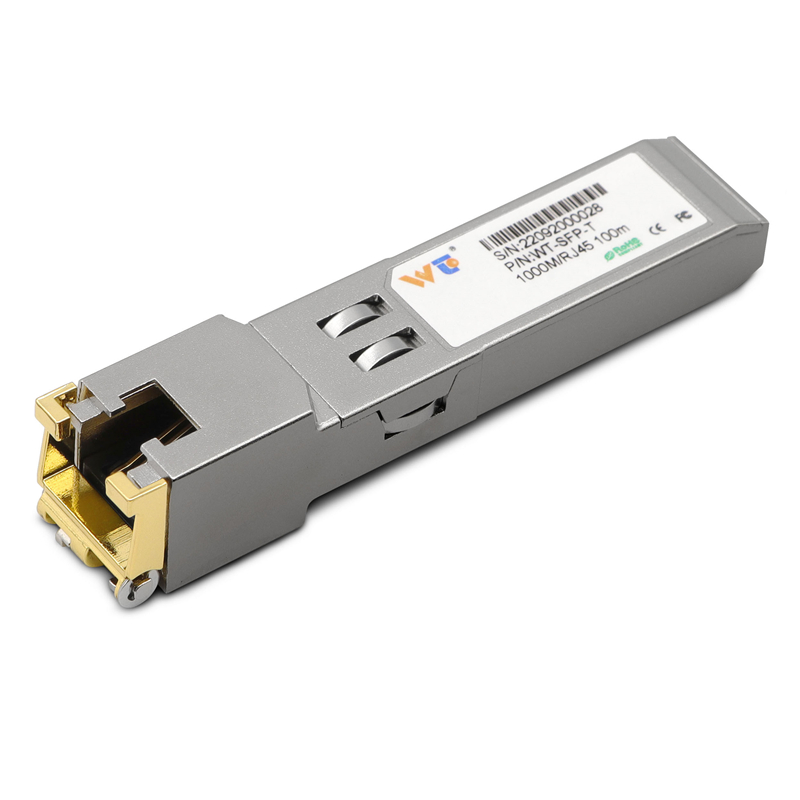
Boston folks like things that work and don’t make a fuss — same logic applies to network gear. When you have a fiber run ending where copper Ethernet begins, a simple sfp to rj45 transceiver can be the pragmatic pick: small, cheap, and quick to swap. On larger sites — think MIT labs or logistical hubs around Boston Logan — the choice scales into architecture decisions that affect redundancy, management, and maintenance. The real-world anchor here is campus and airport networks where mixed fiber and copper segments are routine and reliability isn’t optional.
Operational trade-offs: simplicity versus control
Converters (SFP-based media modules) convert an optical SFP slot into an RJ45 port and typically handle one link. They’re perfect for a point-to-point need: fiber optic on one side, copper Ethernet on the other. Layer 2 industrial switches, by contrast, provide VLANs, MAC learning, STP/RSTP, and multiple ports for aggregation. If you need just a single 10GbE feed converted at the edge, a converter is low overhead; if you need managed switching, security, or port-level policies, an industrial switch is the sane choice.
Cost, footprint, and deployment speed
Budget matters. A converter plus an empty SFP slot is far cheaper and uses less rack or DIN-rail space than a full industrial switch. That difference shows up on projects with dozens of edge drops. Conversely, a Layer 2 switch centralizes visibility and reduces per-port firmware maintenance later — a trade-off between CAPEX now and OPEX later. Short install windows? Converters get you live fast.

Performance and reliability considerations
Latency and throughput are usually non-issues for modern transceivers, even at 10GbE rates — but resiliency is different. An unmanaged converter is a single point of failure with no topology awareness. Industrial switches support link aggregation and spanning-tree variants, improving uptime in ring or mesh topologies. For harsh environments, look at temperature-rated SFP modules and industrial switch certifications to match the physical demands.
Where each solution shines — real deployments
Edge sensor sites, CCTV camera endpoints, and temporary installations often favor converters. They’re small, inexpensive, and easy to swap. Manufacturing floors and transport hubs favor Layer 2 industrial switches because they handle PoE, redundant power inputs, and port-level diagnostics. If you need higher speed conversions, consider dedicated 10Gb modules — many vendors offer robust sfp to rj45 10gb options that slot into managed equipment or standalone cages.
Common mistakes and alternatives
Teams sometimes install a string of converters where a single managed switch would simplify cabling and monitoring — that increases long-term troubleshooting time. Another misstep: mixing commodity SFPs without checking vendor compatibility; some SFPs are vendor-locked or require matching firmware. Alternatives include compact unmanaged switches with fiber uplinks, or modular chassis when future port density is expected. — Keep spare SFPs of the same type on hand; it saves a weekend.
Security and management trade-offs
Converters provide almost zero management surface, which can be a benefit when you want minimal attack vectors. But they also give you no visibility for ACLs, MAC filtering, or port isolation. Layer 2 switches let you segment traffic with VLANs and monitor link health via SNMP. For networks that must meet compliance or operational monitoring needs, managed switches reduce blind spots.
Advisory: three golden rules for choosing correctly
1) Match function to scale: use converters for occasional point conversions; choose Layer 2 industrial switches when you need multiple ports, VLANs, or redundancy.
2) Verify environmental and vendor compatibility: check operating temperature, SFP vendor compatibility, and whether you need industrial-grade PoE or redundant power supplies.
3) Prioritize maintainability: favor solutions that allow remote monitoring and spare-part commonality — fewer device types simplify field repairs and reduce mean time to repair.
Decide with clarity, buy with foresight. WINTOP. —

