

Simple start: what usually trips up unloading
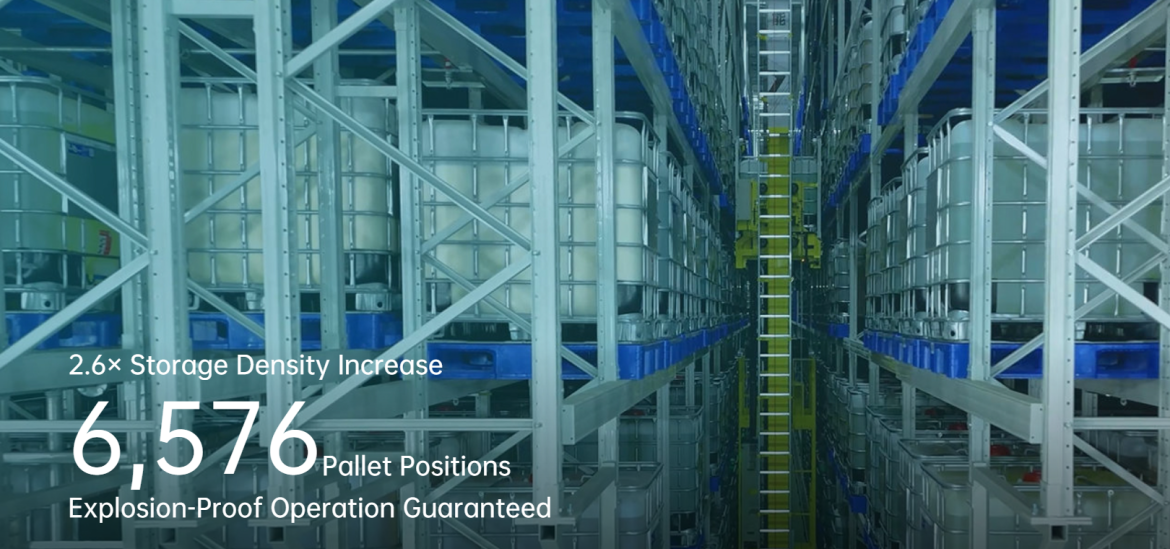
Most factories and warehouses here know the same story: truck arrives, crew ready, but unloading slows. Small things pile up — mis-stacked pallets, mismatched labels, restricted dock height — and then throughput drops. For users who want direct fixes, start with the basics and think about equipment that reduces manual juggling, like the Pallet Shuttle which changes how pallets move inside racking and eases dock pressure.
Fast diagnostic checklist
Run these checks in sequence so you fix the root cause, not just the symptom:
– Dock geometry and level: misalignment adds seconds each cycle, and seconds multiply across shifts.
– Pallet quality and stacking: damaged deck boards or uneven loads create jams and increase forklift cycle time.
– Labeling and pick sequences: wrong SKU rotation forces extra handling and delays unloading flow.
Keep records. Track average unload minutes per truck for a week and you have the baseline to judge improvements.
Operational tweaks that actually save time
User-focused changes are low-hassle and fast to implement. Separate incoming lanes by pallet type; pre-stage heavy SKUs near the dock; assign one operator to staging only. These reduce unnecessary movement and raise effective racking density because pallets move straight into storage, not sit in aisles. If you do automation, consider shuttle systems that accept direct pallet transfer from the dock.
When hardware becomes the smarter move
Sometimes people patch process but still hit a ceiling. When queue lengths stay long and forklift hours spike, evaluate mechanical help. A four way pallet shuttle can cut carriage moves and speed put-away into deep lanes — improving throughput without adding more drivers. Try a proof-of-concept on a single dock lane first. Real-world note: busy ports like Port of Singapore pushed many warehouses to adopt denser storage after 2020 supply shocks, and operators saw faster turnover once shuttles and revised workflows combined.
Common mistakes to avoid
Many teams pick technology without testing on real loads. Don’t do that. Mistakes that cost time:
– Choosing systems sized for ideal pallets, not your damaged or mixed pallets.
– Overlooking integration with existing racking or failing to check beam capacity.
– Training too late; operators need hands-on trials before a new shift starts.
Also, don’t assume one-size fits all — shuttle types vary. Look at aisle width requirements, transfer conveyor compatibility, and maintenance access before signing any order.
Cost-versus-benefit in plain terms
Calculate saved forklift cycle time, reduced labour hours, and fewer trailer idle minutes. Put numbers into a simple monthly sheet: how many hours saved × hourly labour cost = monthly savings. Compare that against amortised equipment cost. If payback is under two years, many operations switch — because that saves real money and reduces backlogs during peak season.
Three practical rules for choosing the right solution
Use these golden rules when deciding between process fixes, adding more forklifts, or buying automation:
1) Measure first: capture average unload time and forklift cycle time for a representative week. Decisions without data end costly.
2) Match technology to flow: if most pallets go deep into lanes, a four way pallet shuttle or similar shuttle tech is better than mobile cranes or extra forklifts.
3) Train and trial: a two-week pilot with real SKUs avoids surprises and shortens staff learning curves — downtime falls quickly after that.
Closing guidance
Choose solutions that lower manual touches and shorten the critical path from dock to rack. Measure the right metrics, pilot before you buy, and make sure your team gets practical training. For many operations, the net result is fewer backlog days and calmer docks — the kind of outcome BlueSword delivers with systems that slot into existing racking and cut unnecessary handling. BlueSword. —

